Leave Your Message

7 Tips for Buying Silicon Carbide Kiln Shelves

Buying Silicon Carbide Kiln Shelves is a production decision, not a simple price comparison. Grand View Research valued the global silicon carbide market at approximately USD 4.1 billion in 2022. It also projected strong growth through 2030. That expansion reflects demand for heat-resistant, durable ceramic materials. However, broad market figures do not guarantee a suitable shelf for your kiln. Shelf design still depends on firing temperature, load weight, atmosphere, and firing cycles.

Dr. John W. Palmour, a recognized silicon carbide technology expert, has stated, “Material performance depends on controlling defects, not merely selecting the material.” That principle matters inside a hot kiln. A shelf may look smooth but contain uneven thickness, weak edges, or hidden processing defects. Those details can cause warping, cracking, or unexpected replacement costs. The U.S. Department of Energy also identifies silicon carbide as a material suited to demanding, high-temperature industrial environments. Its report supports the importance of thermal stability, but it does not replace product testing.

This guide presents seven practical tips for evaluating Silicon Carbide Kiln Shelves. It considers maximum service temperature, shelf dimensions, density, flatness, porosity, load capacity, and supplier experience. Ask for test data. Check the actual firing atmosphere. Inspect the corners carefully. Small flaws matter.

Some recommendations may not fit every workshop. That is the uncomfortable part. A lightweight shelf can reduce kiln load, yet it may not suit heavy ware or repeated thermal shock. The cheapest option may also become expensive after several failed firings. Choose based on measured performance, not attractive specifications alone.
7 Tips for Buying Silicon Carbide Kiln Shelves

Identify the Types and Applications of Silicon Carbide Kiln Shelves

Silicon carbide kiln shelves differ mainly by bonding method, porosity, and load capacity.

Reaction-bonded shelves suit general firing and moderate thermal shock. Recrystallized silicon carbide offers higher temperature stability and lower deformation. Nitride-bonded shelves provide strong strength-to-weight performance, especially in tall kiln stacks.

The choice matters.

Applications reveal the practical differences.

Potteries often use reaction-bonded shelves for stoneware, porcelain, and repeated electric-kiln cycles. Recrystallized shelves are better suited to advanced ceramics, electronic substrates, and temperatures approaching 1,600°C.

Nitride-bonded designs support heavy sanitaryware or dense tableware loads, where shelf deflection becomes costly. A 2024 technical review from the U.S. Geological Survey identifies refractories and high-temperature furnace components as major silicon carbide applications. Market research published by Grand View Research also places advanced ceramics among the faster-growing high-performance material sectors, driven by electronics and energy equipment.

Check thickness, allowable span, and firing atmosphere before purchasing.

A thin shelf may look efficient but bend under uneven loading. Measure your kiln posts carefully. Leave room for thermal expansion. I would request tested data for flexural strength, water absorption, and maximum service temperature, rather than trusting a catalogue headline.

Reported values can vary with temperature, atmosphere, and test method. That detail is easy to miss.

Also inspect edges for chips; one damaged corner can create a stress point during heating. In my experience, buying the lightest shelf is not always economical, because replacement frequency and kiln downtime may outweigh its lower initial price.
Evaluate Shelf Dimensions, Load Capacity, and Thermal Performance

7 Tips for Buying Silicon Carbide Kiln Shelves

Shelf dimensions control airflow, usable space, and breakage risk. Tip 1: Measure the kiln chamber, not only the old shelf. Leave clearance around the edges for circulation. Tip 2: Match thickness to the load. A thin shelf saves weight, but it may sag under wide, heavy ware. Tip 3: Check the manufacturer’s published load chart at your firing temperature. Room-temperature strength can mislead.

Thermal performance deserves closer attention. Data compiled in the NIST Thermophysical Properties Database places silicon carbide thermal conductivity broadly around 80–170 W/m·K, depending on grade and temperature. Tip 4: Request conductivity data for the exact material. Tip 5: Review the maximum continuous-use temperature, not just the marketing headline. Tip 6: Examine thermal-shock guidance and heating-rate limits. A shelf that heats unevenly can crack near corners or posts. It happens quietly.

The U.S. Department of Energy reports that industrial kiln efficiency depends heavily on heat distribution, insulation, and loading practice. Tip 7: Compare shelf mass and spacing together. A lighter shelf may reduce heat-up demand, but insufficient spacing can restrict circulation. Inspect flatness before every firing. A simple straightedge can reveal a developing bow. I would also ask for test methods, density, porosity, and water-absorption data. These figures make competing products easier to compare. Still, published values are not universal. Actual life depends on support layout, glaze spills, cleaning methods, and repeated cooling cycles.

7 Tips for Buying Silicon Carbide Kiln Shelves

Compare shelf dimensions, representative load capacity, thickness, and recommended working temperature before selecting a silicon carbide kiln shelf.

The chart shows representative specifications for dense silicon carbide shelves under evenly distributed loads. Larger shelves generally require greater thickness to limit deflection, while operating temperature depends on shelf composition, kiln atmosphere, firing cycle, support spacing, and thermal shock conditions. Actual performance should be confirmed with supplier test data.

Compare Material Quality, Durability, and Resistance to Thermal Shock

Buying Silicon Carbide Kiln Shelves: Compare Material Quality, Durability, and Resistance to Thermal Shock

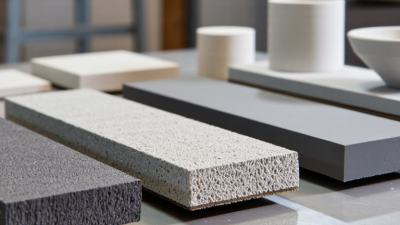
Check the silicon carbide content and manufacturing method. Material quality affects strength, heat transfer, and service life. Dense shelves usually absorb less glaze and resist chemical wear better. Ask for technical data, not vague claims. Compare shelf density, flexural strength, and recommended firing temperatures. A low price can hide inconsistent composition.
Measure the kiln carefully. A shelf that fits poorly may crack under uneven loading. Look for flatness, smooth edges, and clean corners. Small chips matter. Avoid shelves with deep scratches or visible warping. Compare thickness with the weight of your ware. Thicker shelves handle heavier loads, but they also require more energy to heat. I once overlooked this trade-off in a planning calculation.
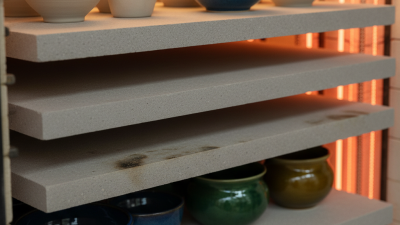
Thermal shock resistance deserves special attention. Shelves face rapid temperature changes during loading, firing, and cooling. Choose a material designed for repeated cycling. Ask how the shelf performs after many heating cycles, not only during one test. Support the shelf evenly with suitable posts. Never place hot shelves on a cold, hard surface. Test before buying. A sample firing can reveal cracking, warping, or unexpected glaze interaction. Keep records of firing temperature, cooling speed, and shelf condition. This evidence supports a more reliable comparison than catalog language. Even strong silicon carbide can fail when overloaded or poorly supported. That detail is easy to miss.

Check Compatibility with Kiln Design, Firing Conditions, and Glaze Materials

Buying silicon carbide kiln shelves is not only about strength or price. Check whether each shelf suits your kiln’s interior dimensions, support system, and heating pattern. Measure the usable width, not just the chamber size. Leave enough clearance for loading and thermal expansion. A shelf that barely fits may become difficult to remove after repeated firings.

Review the kiln’s firing temperature and atmosphere. Silicon carbide shelves usually tolerate demanding firing schedules, but their performance still depends on thickness, ventilation, and support spacing. Follow the supplier’s technical data. Keep shelves level, and use stable posts directly above one another. Uneven supports can create stress and cause cracking. Watch for warping, chips, or powdery surfaces before every firing. Small defects matter.

Glaze materials need equal attention. Some glaze ingredients can run, volatilize, or react with shelf coatings at high temperatures. Use kiln wash when appropriate, but apply it thinly and evenly. Thick layers may flake and contaminate work. Test a sample tile with the actual glaze recipe and firing cycle. I once assumed a familiar glaze would behave the same on every shelf. That was too simple. Results can change with atmosphere, loading density, and cooling speed. Record these details, then adjust carefully. Compatibility is a testing process, not a single purchase decision.

Assess Suppliers, Pricing, Customization Options, and Long-Term Value

7 Tips for Buying Silicon Carbide Kiln Shelves

A dependable supplier should explain material grade, manufacturing method, and quality controls clearly. Ask for test data on strength, thermal shock resistance, porosity, and dimensional stability. Supplier experience matters, but documented inspection matters more. Request a sample shelf and check its flatness, edges, and surface finish. Small cracks can become costly failures during repeated firing.

Do not compare prices by shelf alone. Include freight, packing, replacement rates, kiln downtime, and expected service life. A cheaper shelf may warp sooner under heavy loads. Measure your actual firing temperature, load weight, support spacing, and atmosphere before ordering. These details help suppliers recommend suitable thickness and size. Custom shapes or drilled openings can improve kiln capacity, but they may increase lead time and machining costs. Confirm tolerances in writing.

Long-term value depends on consistent performance. Ask how each batch is inspected and whether production records are available. Discuss replacement schedules, storage guidance, and technical support before payment. A clear warranty can reveal how confidently a supplier stands behind its work. Still, no shelf lasts forever. Even good silicon carbide can suffer from uneven loading or rough handling. I would also test a small batch before changing every shelf in a working kiln. That step feels slower, yet it can expose a poor fit before the loss becomes serious.

7 Tips for Buying Silicon Carbide Kiln Shelves - Assess Suppliers, Pricing, Customization Options, and Long-Term Value

Tip Evaluation Dimension What to Verify Indicative Technical or Commercial Benchmark Questions to Ask the Supplier Long-Term Value Consideration
1 Match the shelf material to the kiln atmosphere and temperature Confirm whether the shelf is reaction-bonded, recrystallized, or another silicon carbide grade. Check compatibility with oxidation, reduction, vacuum, air, and the intended firing cycle. Many silicon carbide shelves are designed for service temperatures approximately between 1,400°C and 1,650°C, while the exact limit depends on grade, atmosphere, load, heating rate, and support arrangement. What is the recommended continuous operating temperature? What is the maximum temperature for our atmosphere? Is the rating based on continuous use or a short peak cycle? A correctly selected grade reduces oxidation, warping, cracking, and premature replacement. Avoid choosing only by the highest advertised temperature.
2 Assess supplier quality and process control Review dimensional tolerances, flatness control, batch consistency, inspection records, packaging standards, and the supplier’s ability to provide material and performance documentation. Request a written specification covering thickness, length, width, hole or slot dimensions, flatness, density, open porosity, and allowable defects. Tolerances should be agreed before production. Can you provide a sample inspection report? How are flatness and thickness measured? How are shelves protected against edge damage during transport? Consistent dimensions improve kiln loading efficiency and reduce uneven support, which helps limit breakage and improves repeatability between firing batches.
3 Compare total cost instead of unit price alone Include shelf price, tooling, machining, packaging, freight, import charges, replacement rate, and the cost of downtime caused by damaged or delayed shelves. As an indicative planning range, a plain shelf around 300 × 300 × 10 mm may cost approximately US$25–70; a 400 × 400 × 12 mm shelf may cost about US$60–150; larger or machined shelves can exceed US$150–350. Actual prices vary by grade, volume, finish, and location. Is the quotation based on one piece, a trial quantity, or a full batch? Are machining, export packing, freight, and replacement terms included? A slightly higher-priced shelf can be more economical if it lasts longer, stays flatter, needs fewer replacements, and reduces kiln maintenance.
4 Check load capacity and support design Evaluate shelf span, thickness, weight distribution, support-post spacing, thermal gradients, and whether the load is concentrated or evenly distributed. Load capacity is application-specific and cannot be determined from shelf dimensions alone. A thicker shelf, shorter unsupported span, evenly distributed load, and properly aligned supports generally reduce bending risk. What load and span were used for your recommendation? Can you provide a loading diagram or maximum allowable load per shelf? What support spacing is required? Correct support design limits deflection and stress. It also helps maintain a level firing surface and lowers the risk of ware damage.
5 Define customization requirements before ordering Specify dimensions, thickness, holes, slots, corner radii, edge chamfers, surface finish, identification marks, and any special loading or ventilation requirements. Custom machining is usually more cost-effective for repeat orders or larger quantities. Small orders may involve setup or tooling charges, and holes or slots can affect strength and lead time. What is the minimum order quantity? What drawing format is required? How much do tooling and machining cost? What dimensional tolerance can be maintained? Properly designed openings can improve airflow and reduce weight, but excessive cut-outs or sharp internal corners may increase stress concentration and breakage risk.
6 Evaluate delivery reliability and after-sales support Confirm production lead time, sample availability, inventory policy, export packaging, transit protection, damage-claim procedures, and replacement support. Standard sizes may ship faster than custom sizes. Custom production commonly requires additional engineering and manufacturing time; obtain a written schedule with approval, production, inspection, and dispatch milestones. What is the normal lead time for samples and repeat orders? How are damaged pieces handled? Can you maintain the same specification for future batches? Reliable delivery reduces kiln downtime and prevents emergency purchases that may not match the original shelf dimensions or firing performance.
7 Calculate service life and replacement value Estimate cycles per month, average operating temperature, atmosphere exposure, cleaning method, handling frequency, and the acceptable level of warping or surface wear. Service life varies widely. It is affected by thermal shock, oxidation, mechanical impact, glaze or flux contamination, overloading, and support alignment. Compare suppliers using documented cycle performance under similar conditions. What cycle-life data is available for a comparable temperature and atmosphere? Are maintenance, cleaning, storage, and handling instructions provided? Use a three-year cost model: purchase cost plus freight, breakage, labor, downtime, and disposal. The lowest initial price may not produce the lowest cost per firing cycle.
Planning note: The price ranges and technical values shown are indicative purchasing benchmarks, not fixed quotations or universal ratings. Final selection should be based on the shelf grade, kiln atmosphere, firing profile, load arrangement, dimensions, order quantity, and supplier documentation.