How to Source High Quality Technical Ceramic for Your Business?
In the rapidly evolving landscape of advanced materials, sourcing high-quality Technical Ceramic is crucial for businesses. According to a report by MarketsandMarkets, the global technical ceramics market is expected to reach $19.4 billion by 2025, with a CAGR of 5.3% from 2020. This growth reflects the increasing demand for ceramics in electronics, aerospace, and biomedicine.
Dr. Emily Hartman, a leading expert in the technical ceramics field, asserts, "High-quality Technical Ceramic not only enhances product durability but also drives innovation.” Despite the rising demand, many businesses struggle to source these materials efficiently. Factors like supplier reliability, material properties, and cost-effectiveness often lead to suboptimal choices.
Understanding the intricacies of Technical Ceramic, from obtaining samples to assessing vendor capabilities, can make a significant difference. It’s essential to reflect on the sourcing process, as the cost of poor-quality ceramics can outweigh savings. Investing time and effort in selecting the right materials enhances product performance and overall market competitiveness.
Understanding Technical Ceramics and Their Applications
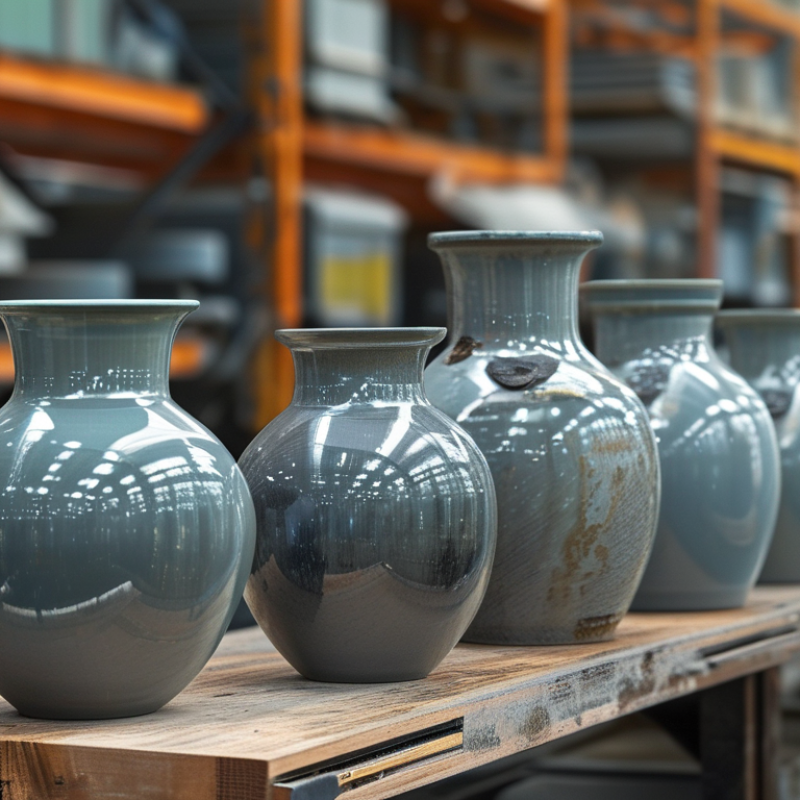
Technical ceramics play a critical role in various industries, thanks to their unique properties. These materials are engineered for high performance, providing benefits like wear resistance, thermal stability, and electrical insulation. According to a comprehensive study by the Technical Ceramics Association, the market has been experiencing annual growth of about 6.5%, driven by advancements in manufacturing processes. This growth highlights the increasing reliance on ceramics in applications such as aerospace, electronics, and medical devices.
In aerospace, technical ceramics are used in components that endure extreme temperatures and corrosive environments. These materials can withstand heat up to 1500°C, making them ideal for turbine engines. In electronics, technical ceramics serve critical functions in capacitors and insulators, supporting the rapid expansion of the electronics sector. However, sourcing high-quality ceramics can be challenging. Not all suppliers meet stringent quality standards, which can lead to performance issues and increased costs down the line.
Understanding the specific needs of your applications can help guide your sourcing decisions. Quality should not be compromised, as it directly impacts performance and longevity. Seeking suppliers with industry certifications and proven track records can enhance reliability. However, it’s essential to remain vigilant and critical of claims made by manufacturers, as some may not fully deliver on their promises.
Identifying Reliable Suppliers of High-Quality Technical Ceramics
Finding reliable suppliers for high-quality technical ceramics requires careful consideration. Start by researching potential partners. Look for suppliers with a solid track record and industry experience. Explore their websites and customer reviews. A good supplier will showcase their certifications and quality control processes.
Build relationships with multiple suppliers. This allows for comparisons based on quality, delivery, and price. Engage with sales representatives to ask relevant questions. Observe how they respond to your inquiries. A responsive supplier demonstrates commitment and reliability.
Consider visiting manufacturing facilities if possible. Seeing operations firsthand provides insights into their capabilities. Pay attention to their equipment and production standards. It’s essential to assess their approach to quality assurance. An ideal supplier understands your needs and can adapt to changes. Trust your instincts when evaluating their expertise and reliability.
Evaluating Quality Standards and Certifications for Technical Ceramics
When sourcing high-quality technical ceramics, evaluating quality standards is crucial. Various certifications ensure that the materials meet industry requirements. Look for standards like ISO 9001 for quality management systems. This can indicate that the manufacturer adheres to consistent quality practices. Certifications provide validation and assurance about the materials' performance and durability.
In addition to quality certifications, consider the manufacturer’s experience in the industry. An established company often has a track record of reliability and consistency. Check their previous projects and client testimonials to gauge their expertise. Be aware that newer manufacturers might offer innovative solutions, but they may lack the proven reliability of their established counterparts.
Quality assurance does not stop at sourcing. Regular testing and evaluation are vital. Implement quality checks during production and before final delivery. This proactive approach can highlight any potential issues early on. It can help avoid costly mistakes later. Establishing a relationship with your supplier can foster open communication. This can lead to better understanding and improved quality outcomes over time.
Assessing Material Properties and Performance Requirements
When sourcing high-quality technical ceramics, assessing material properties is crucial. Start with understanding the specific requirements of your application. Focus on mechanical properties like hardness, toughness, and flexural strength. These characteristics dictate how the ceramic will perform under stress. Different environments may require specific tolerances or resistance to wear and thermal shock.
Consider the thermal properties as well. The right thermal conductivity can make a significant difference in performance. Inspect how materials react to changes in temperature. Such behavior affects their longevity and reliability in applications. Additionally, don’t overlook the importance of chemical resistance. Some ceramics can degrade when exposed to certain chemicals, impacting their effectiveness.
Thinking about the manufacturing process is also essential. Various techniques can alter a ceramic's final qualities. Techniques like sintering or glazing can enhance properties but may introduce variability. Test samples from different production batches. This practice will ensure consistent quality. Remember, sourcing isn't just about finding a supplier. It’s about building a relationship for ongoing development, enabling your business to adapt and grow.
Establishing Long-Term Relationships with Ceramic Manufacturers
Building long-term relationships with ceramic manufacturers can significantly impact your sourcing strategy. Consistent communication is essential. Regular updates about your projects create trust. This trust leads to better collaboration. Take time to understand their capabilities. Discuss your needs openly. Manufacturers appreciate transparency and are more likely to meet your specifications.
Establishing a partnership also means being open to feedback. Each project may reveal areas for improvement. Listen to their suggestions. They often have valuable insights that can enhance product quality. Moreover, consider visiting their facilities. Seeing the production process firsthand can deepen your understanding. It shows commitment to the relationship. Navigate potential issues together rather than seeing them as obstacles.
Evaluate their track record before committing. Look for testimonials or case studies from other clients. While some manufacturers may present perfect images, real-world performance can differ. Discuss challenges they faced in previous collaborations. A reliable manufacturer should have solutions ready. They must also be adaptable to changes in your requirements. Quality sourcing is a journey, not a destination.