


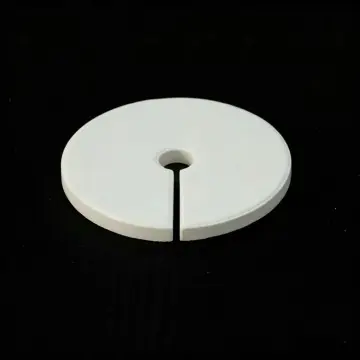
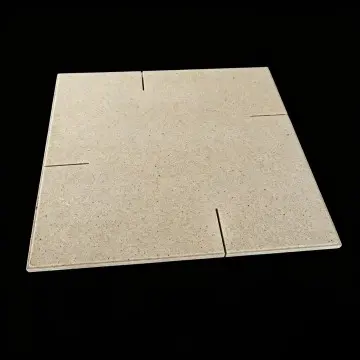
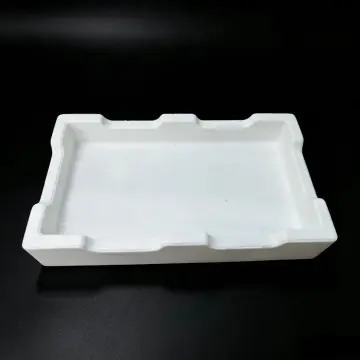
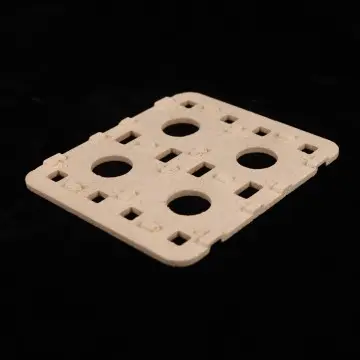
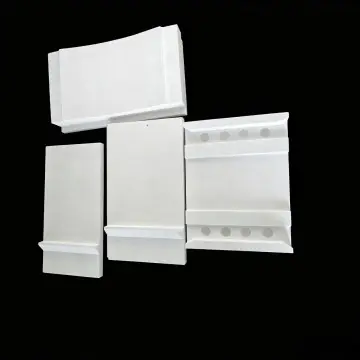


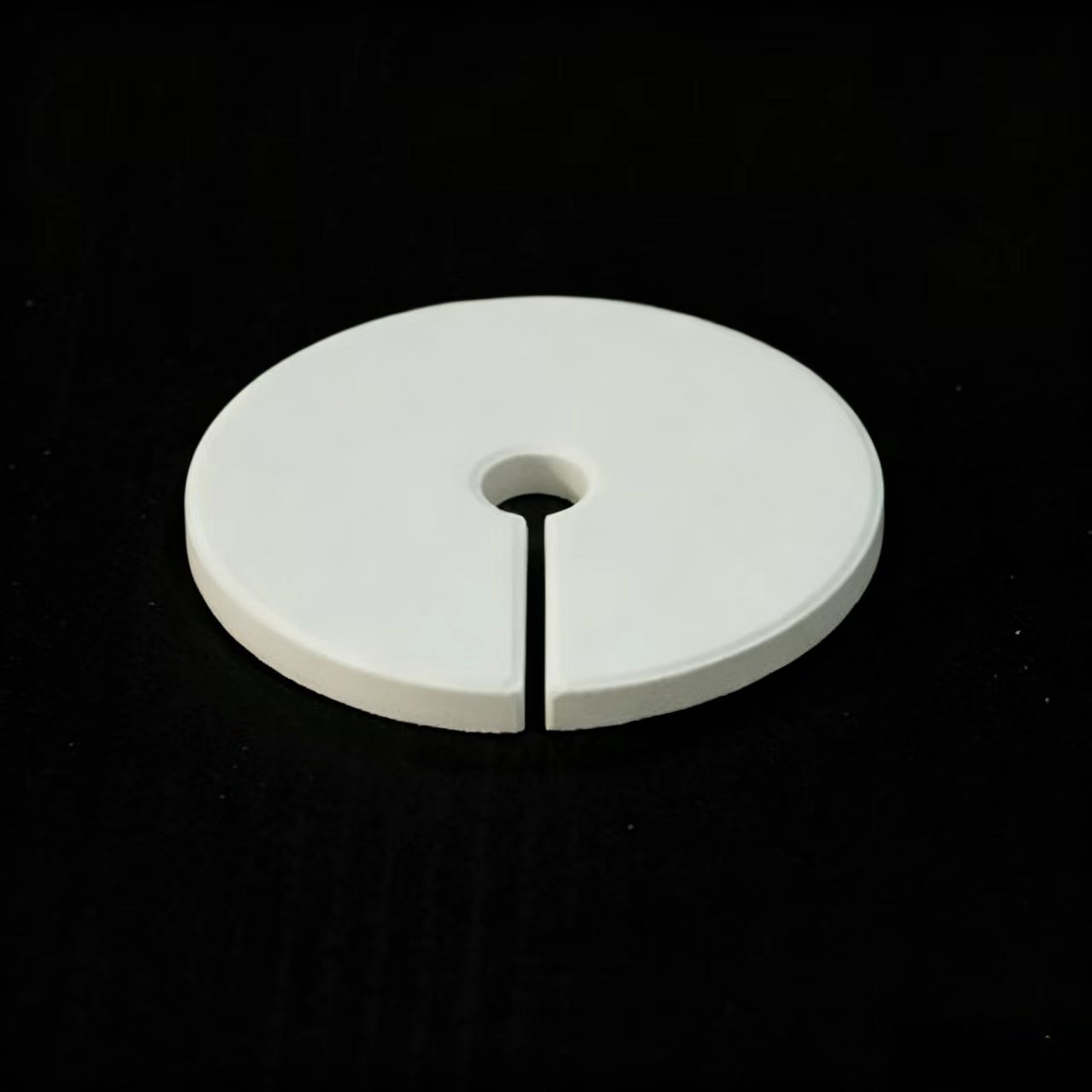
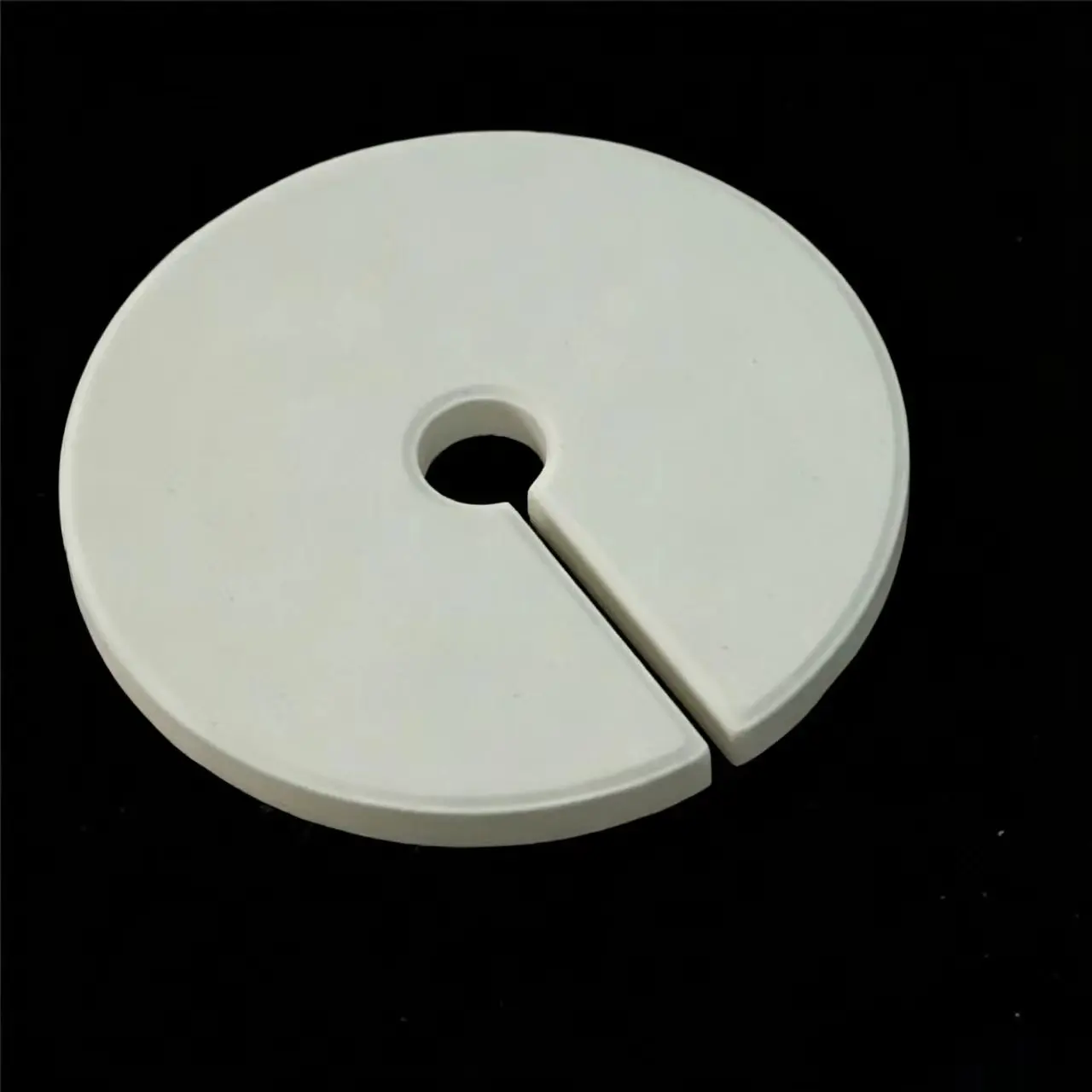
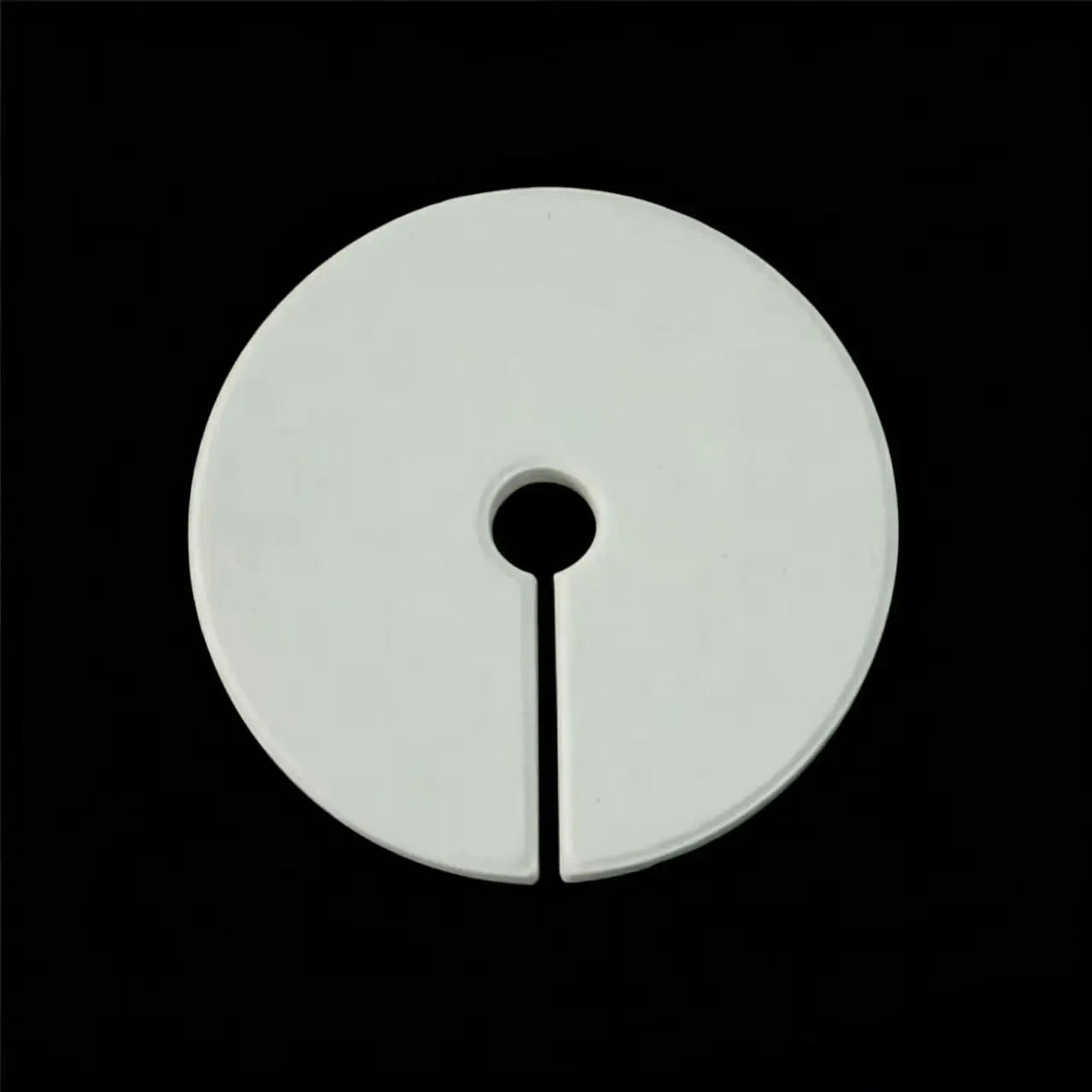
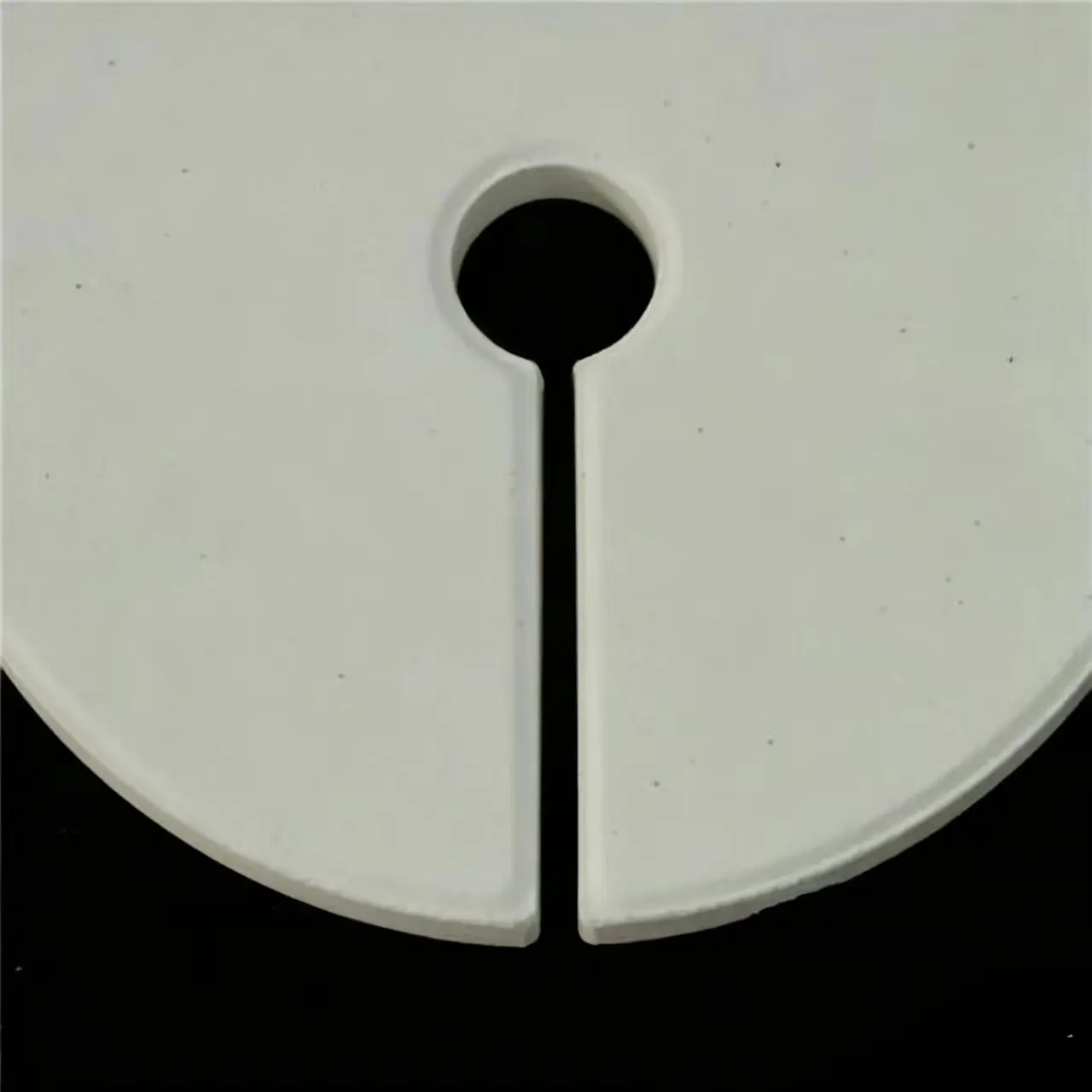
Mullite Ceramic washer for heating insulation purpose use
The primary advantage of a mullite washer lies in its exceptional refractoriness. Unlike steel or aluminum washers, which may soften, warp, or oxidize at temperatures exceeding 1000°C, mullite ceramics maintain their structural rigidity well beyond 1300°C. This capability is derived from the mineral's specific crystal structure, which provides a low coefficient of thermal expansion. Consequently, these washers exhibit remarkable resistance to thermal shock. In applications where rapid heating and cooling cycles occur—such as in kiln furniture or combustion chambers—standard ceramics might crack due to stress accumulation. However, the mullite washer absorbs these temperature gradients without fracturing, ensuring a consistent seal and load distribution even under volatile conditions.
Beyond thermal resistance, mullite offers superior chemical inertness. In high-temperature environments involving molten metals or corrosive gases, metallic washers are prone to rapid degradation and contamination of the process. Mullite, conversely, is highly resistant to chemical attack and does not react with most molten metals, making it indispensable in foundry applications and semiconductor manufacturing. Furthermore, it serves as an excellent electrical insulator at high temperatures, a property that is vital for electrical assemblies within furnaces or heating elements where conductivity must be strictly controlled.
The versatility of the mullite washer extends to its mechanical applications in heavy industry. It is frequently utilized as a spacer or insulating washer in high-temperature furnaces, kilns, and boilers. Its ability to withstand heavy loads at elevated temperatures without creeping (deforming slowly over time) ensures that bolted joints remain secure, preventing catastrophic mechanical failures.