What is a Ceramic Saggar and How is it Used in Pottery?
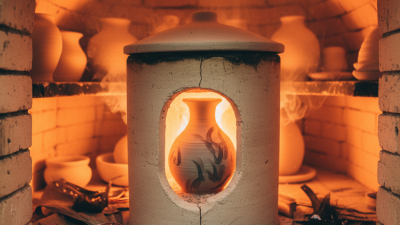
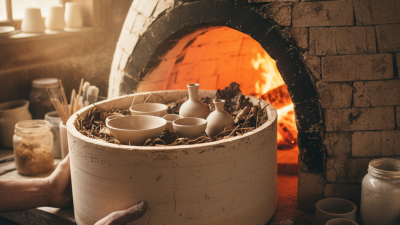
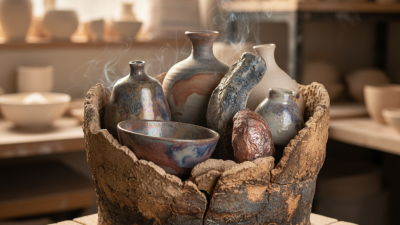
A Ceramic Saggar is an essential tool in pottery, designed to protect delicate pieces during firing. It creates a controlled environment, safeguarding pottery from direct flame and harmful ash. The saggar can be crafted from various materials, allowing for different firing effects. Many potters cherish the unique results it can produce.
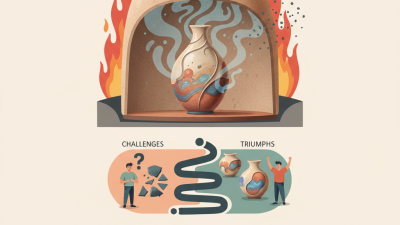
In practice, potters often use the Ceramic Saggar to experiment. The enclosed space can influence color, texture, and surface quality. Each firing can yield surprising outcomes. However, this unpredictability presents challenges. Not every piece will turn out as intended, prompting reflection and adjustment in technique.
Understanding the role of a Ceramic Saggar is vital for any potter seeking to expand their craft. The saggar is more than just a protective vessel; it embodies creativity and experimentation. Potters continue to adapt and innovate, pushing boundaries in their art. Embracing imperfections in the firing process can lead to unexpected beauty.
What is a Ceramic Saggar? Definition and Origins in Pottery
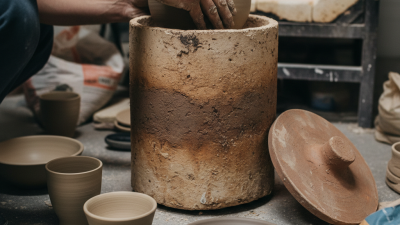
A ceramic saggar is a crucial tool in pottery. It serves as a protective container during the firing process. Made from materials like clay and grog, saggar designs can vary widely. They allow potters to achieve unique surface effects and prevent unwanted reactions during firing.
The origins of the saggar date back centuries. Early potters created simple forms to shield their pieces from ash and debris in kilns. Over time, the design evolved, becoming more refined. Today, saggars can feature beautiful embellishments and distinct shapes, adding another artistic layer to the pottery process.
When using a saggar, consider these tips: Ensure it is clean and free of dust to prevent contamination. Experiment with different materials inside the saggar to explore various firing effects. Remember, the tightness of the lid can affect the results, so make adjustments as needed. Each firing is a chance to learn, so embrace the unpredictability of the results.
Usage of Ceramic Saggars in Pottery
This chart illustrates the usage data of ceramic saggars in pottery. It includes aspects such as firing temperature, material type, duration of use, and rate of usage, giving an overall insight into the practical aspects of ceramic saggar application.
Materials and Construction: Common Types of Ceramic Saggars
Ceramic saggars are essential tools in pottery, used primarily to protect pieces during firing. These containers are designed to shield pottery from direct flames and ash. Common materials for making saggars include clay, cordierite, and sometimes even recycled materials. The construction of a saggar often involves shaping the material into a sturdy form that can endure high temperatures.
Different types of ceramic saggars can be found in pottery studios. Some are simple box shapes, while others are more intricate, featuring holes or vents for airflow. The choice of saggar greatly affects the final appearance of the ceramic piece. Each material can impart different textures and finishes, allowing artists to experiment and uniquely express their creativity.
Tips: Always ensure that your saggar is free of cracks before use. Inspecting your saggars regularly can save you from unexpected results. Additionally, consider mixing different materials to create interesting effects on your pottery. Embrace the imperfections that can arise from firing processes, as they can enhance the character of your work. Every flaw offers a learning opportunity; don’t shy away from experimenting.
The Role of Saggars in Kiln Firing: Benefits and Techniques
Ceramic saggars are essential in pottery, especially during kiln firing. Their primary role is to protect pottery pieces from direct flame and reduce surface defects. Made from ceramic materials, saggars provide a controlled environment. This is crucial for achieving the desired glaze effects and finishes. According to a report from the American Ceramics Society, using saggars can reduce the risk of contamination by up to 30%.
Techniques for using saggars vary widely in the pottery community. Potters often stack multiple pieces in a saggar to maximize space. Some potters fill their saggars with combustible materials, like sawdust, to create unique effects during firing. Studies show that this technique can enhance the colors and textures of the final product. However, there is a learning curve. Misjudging the amounts of combustible materials can lead to undesirable outcomes. The balance of air and combustion needs careful monitoring.
The benefits of using saggars extend beyond just protection. They can also influence the final aesthetics of the pottery. Artists report that controlled firing in a saggar can bring out unexpected qualities in the glaze. Yet, achieving consistency may pose challenges. Factors such as temperature variations and kiln atmospheres introduce variables. These intricacies require potters to remain vigilant and adaptable to ensure successful firing.
Creative Uses of Ceramic Saggars in Contemporary Pottery
Ceramic saggars are not just functional; they foster creativity in contemporary pottery. Artists use them to create unique effects through glaze interaction. Saggars protect pieces during firing, but they also influence color and texture. When stacking pots in a saggar, the placement can yield surprising outcomes. This technique encourages experimentation and innovation.
One popular method involves adding organic materials to the saggar. These materials can create stunning surface patterns. Items like leaves, wood shavings, or seaweed release gases that interact with the clay. The results can be unpredictable, enhancing the excitement of the creative process. Adopting this approach can lead to personal discoveries and a diverse range of textures.
Tips for using saggars effectively: Experiment with different materials inside the saggar. Each firing can be a learning opportunity. Take notes to track how various elements interact with your pieces. Don’t shy away from imperfection. Sometimes, the most beautiful results arise from unexpected outcomes. Embrace the process, and let the saggars guide your artistic journey.
Environmental Impact: How Saggars Influence Pottery Production and Safety
Ceramic saggars are commonly used in pottery to protect pieces during firing. They create a shield that prevents direct contact with flames and smoke, which can affect the final finish. However, the environmental impact of their production and use is notable. A recent study highlighted that ceramic production involves significant energy consumption, contributing to carbon emissions. The report stated that around 60% of this energy is used during kiln firing.
Despite their protective benefits, saggars can influence the safety of pottery production. Many saggars are coated with hazardous materials that can leach into the environment. An industry report indicated that improper disposal and recycling of these materials can lead to soil and water contamination. Artists and manufacturers must consider the long-term effects of their choices, as some traditional practices are not sustainable.
Moreover, while saggars offer creative possibilities, they also pose a challenge. The reliance on saggars for specific outcomes can limit artists' experimentation. It becomes essential for potters to balance artistic expression with environmental responsibility. Striking this balance requires ongoing education and a commitment to greener practices in the pottery community.