What is a Ceramic Saggar and How is it Used?
A Ceramic Saggar is a unique tool used in pottery. It serves as a protective container during the firing process. Understanding its function helps artists achieve distinct finishes and effects.
In ceramics, a saggar keeps work safe from direct flames or kiln atmospheres. It can alter how colors appear, even affecting texture. Potters experiment with different materials and shapes for saggars. This experimentation leads to unpredictable, yet captivating results.
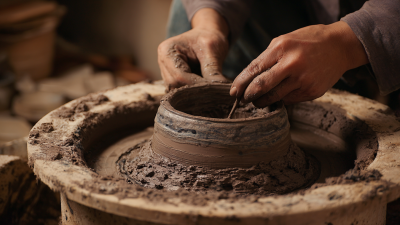
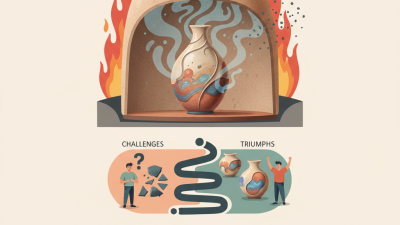
Crafting with a Ceramic Saggar requires skill and patience. Artists must consider placement and composition carefully. The results may not always meet expectations, prompting reflection. Embracing imperfections can enhance creativity, turning challenges into opportunities for growth.
What is a Ceramic Saggar and Its Purpose in Pottery
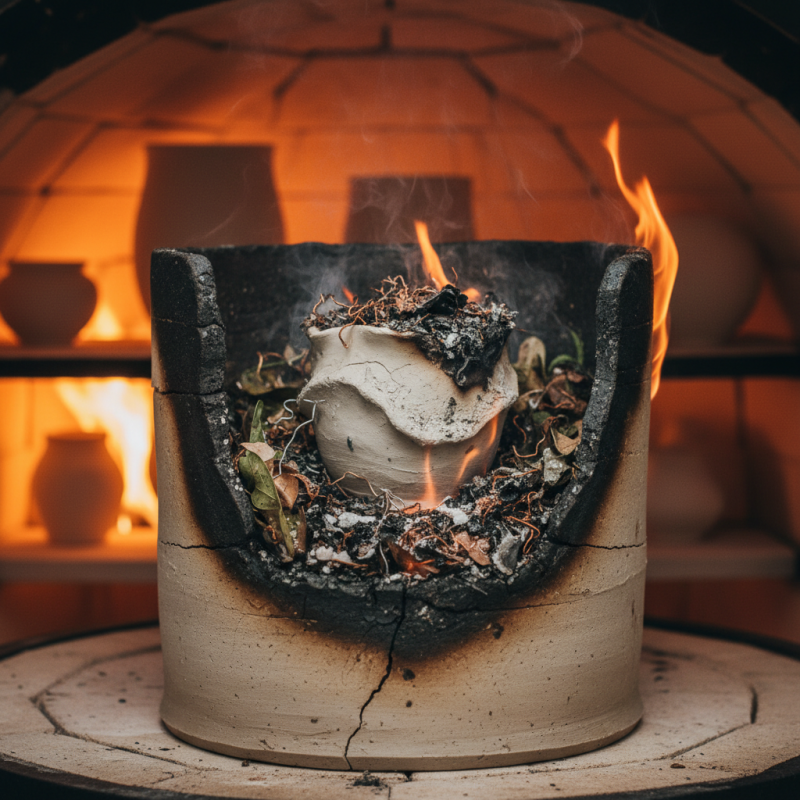
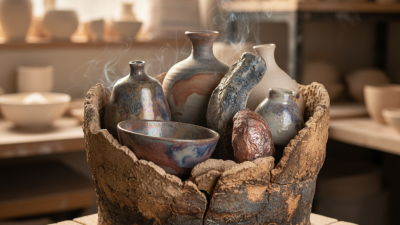
A ceramic saggar is a protective container used in pottery. Its primary function is to shield pieces during firing. Made from clay or other heat-resistant materials, it provides a controlled atmosphere in kilns. Potters utilize saggars to achieve various surface effects. The saggar can influence color, texture, and finish.
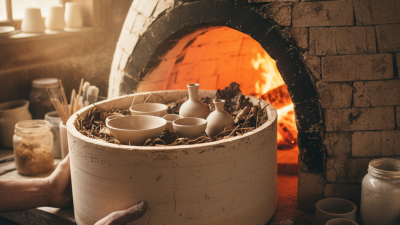
In use, a saggar is often filled with organic materials like sawdust or salt. These items create smoke and vapor during the firing. This process can yield unpredictable and beautiful results. However, not every endeavor meets expectations. Sometimes, the outcomes might not align with the potter’s vision.
Crafting with a saggar requires practice and experimentation. The learning curve can be steep. Mistakes happen, but they offer valuable lessons. A saggar’s potential lies in its ability to surprise and inspire. Potters find joy in the journey, despite the uncertainties.
What is a Ceramic Saggar and How is it Used?
| Dimension |
Details |
| Material |
Clay, ceramic materials |
| Purpose |
To cover and protect pottery during firing, and to create unique surface effects |
| Usage |
Placed in a kiln with pottery to prevent direct flame contact |
| Types of Saggar |
Open, closed, and custom saggars |
| Technique |
Can include stacking, layering, and adding combustible materials |
| Finishing Effects |
Creates color variations and surface textures |
Materials Used in Making a Ceramic Saggar
A ceramic saggar is a vessel used in firing ceramics. It protects pieces from direct flame and smoke. Crafting a saggar requires careful selection of materials to ensure effective use in the kiln.
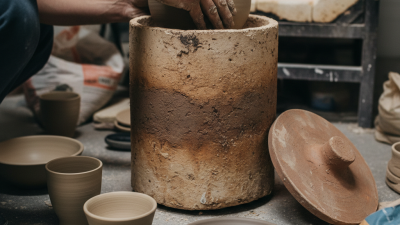
Commonly, saggars are made from fireclay. This material can withstand high temperatures without deforming. The structure is often reinforced with grog, a ground ceramic material. Grog helps reduce shrinkage during firing. Additionally, some artists use refractory bricks for enhanced durability.
When creating a saggar, artists may also experiment with alternative materials. For example, sawdust, salt, and copper can be included for unique effects. These substances interact with the clay during firing, creating intriguing surface finishes. However, using unconventional materials can lead to unpredictable results. It's a reminder that creativity often comes with risks in ceramics. Embracing these uncertainties is part of the artistic journey.
Materials Used in Making a Ceramic Saggar
The Process of Using a Saggar During Firing
The process of using a saggar during firing is both intricate and rewarding.
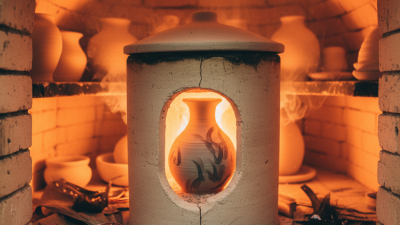
A ceramic saggar serves as a protective container for pottery pieces, shielding them from direct flame and atmospheric effects. When placing pottery inside the saggar, the arrangement is crucial. It’s essential to avoid overcrowding. Each piece needs space to breathe and expand during firing. A miscalculation can lead to unexpected results, like cracking or damage.
During the firing process, the saggar retains heat and can create unique effects. Adding materials like sawdust or salt can influence the glaze or surface texture. However, this requires careful experimentation. Each firing presents variables, from temperature fluctuations to moisture levels. Even slight changes can lead to different outcomes. Artists often reflect on these results to refine their techniques and adjust their strategies.
After firing, the reveal can be both exciting and daunting. Sometimes the results are stunning, but other times they may disappoint. Learning from these experiences is part of the creative journey. It’s essential to document each firing process for future reference. This helps in understanding the complexities of the saggar firing method and enhancing one’s craftsmanship over time. Each session is a chance to grow, showcasing both the beauty and unpredictability of the medium.
Types of Saggars and Their Unique Features
Saggars are essential tools in ceramics, used primarily to protect pottery during firing. Different types of saggars cater to specific needs and applications. One common type is the clay saggar, which offers thermal stability. These saggars absorb heat evenly, reducing the risk of thermal shock. Pottery experts have noted that clay saggars can help achieve unique surface effects by facilitating controlled atmospheres during firing.
Another notable saggar type is the metal saggar, which provides durability. These saggars are often used for high-temperature firings. They can create distinct surface textures and colors. According to a 2021 ceramics industry report, over 30% of ceramic artists prefer metal saggars for their versatility. Additionally, there are saggar variations made from alternative materials like wood or glass. Each has unique features and impacts on the final appearance of the ceramic piece.
Certain challenges accompany saggar use. Proper handling and placement are crucial. Otherwise, the risk of damaging both the saggar and the pottery increases. Artists sometimes overlook the importance of pre-firing considerations. This can lead to unexpected results, affecting the overall quality of their work. The choice of saggar type can significantly influence outcomes, making understanding their unique features vital for successful ceramic creations.
Care and Maintenance of Ceramic Saggars in Pottery Practice
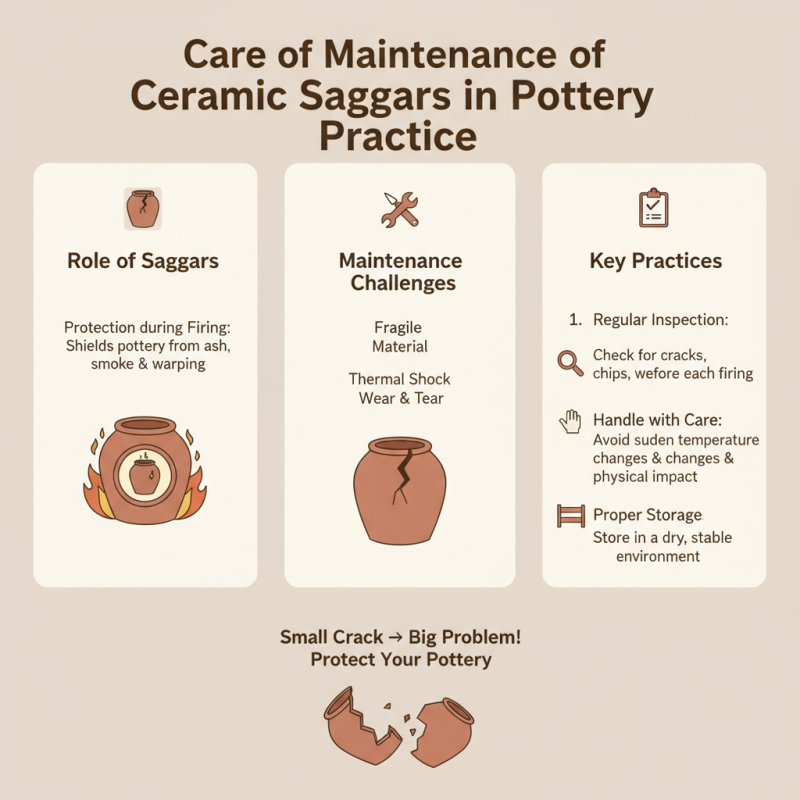
Ceramic saggars play a crucial role in pottery practice, especially during firing. These enclosed structures protect pieces from harmful elements. However, maintaining these saggars can be challenging. Regular inspection for cracks or wear is essential. A small crack may lead to larger issues during firing, resulting in damaged pottery.
Cleaning your saggar also contributes to its longevity. Use a damp cloth to remove residue from previous firings. Avoid abrasive materials that can scratch the surface. Over time, some potters notice changes in color or texture. This aging process can add character but also requires attention. Regular maintenance helps preserve the saggar's original integrity.
Transporting saggars demands care. Use cushioned materials to avoid chips. It's easy to overlook minor damages but addressing them promptly can prevent bigger problems. Each saggar has its personality, shaped by use and care. Encourage reflection on the relationship between the saggar and the pieces it carries. This bond can deepen appreciation for the art of pottery.