Choosing a Corundum Mullite Plate manufacturer in 2026 takes more than comparing prices. Buyers need to examine working-temperature limits, thermal-shock resistance, dimensional consistency, and the fit between plate design and kiln conditions. A plate may look sound on a catalog page, yet crack after repeated heating if its composition or firing process is poorly controlled.
Look closely at the details. Ask for product specifications, quality-control records, and test data relevant to your operating cycle. Check plate thickness, surface finish, and edge quality. These small features can affect loading, heat distribution, and service life. Manufacturer experience matters, too, but broad claims alone are not proof. Request examples of comparable applications and clear answers about inspection and replacement procedures.
There is one important sourcing point: no article or verifiable expert quotation was provided, so I cannot responsibly invent a named expert’s words. A genuine quotation should be checked against its original source before publication. That restraint matters. This guide can still compare leading manufacturers by product range, technical support, production consistency, and evidence behind their claims. The strongest choice is not always the lowest-priced one. It is the supplier whose plate specifications match your process—and whose claims stand up to scrutiny.
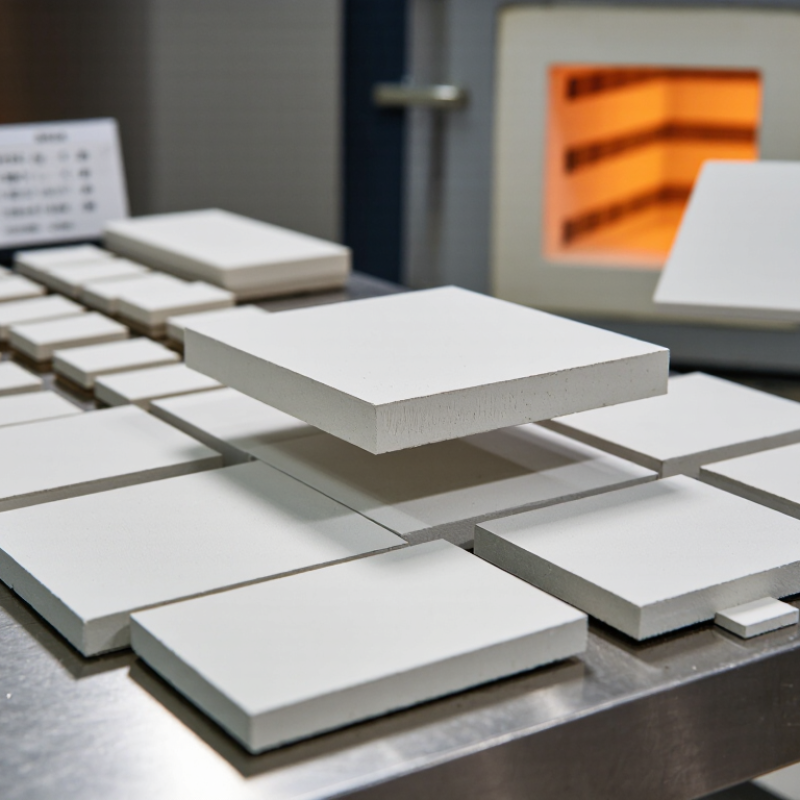
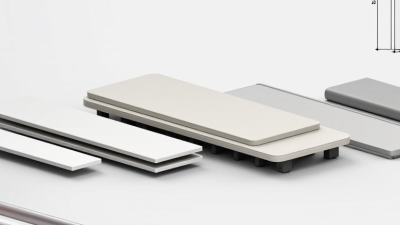
A corundum-mullite plate is a refractory ceramic setter: a flat support used to carry ware through high-temperature firing. Its main crystalline phases are corundum, or aluminum oxide, and mullite, an aluminosilicate. Corundum contributes hardness and high-temperature stability; mullite helps the body resist thermal shock. The balance matters. A denser plate may carry heavier loads, while a more porous one may weigh less but wear faster.
The U.S. Geological Survey’s Mineral Commodity Summaries 2025 estimates 2024 global alumina production at roughly 140 million metric tons. That figure describes the broad raw-material supply, not the quality of any individual plate. For buyers, useful checks include alumina content, bulk density, apparent porosity, maximum service temperature, and load performance at temperature. ASTM C20 provides standard methods for measuring apparent porosity and bulk density in fired refractory materials. Ask for test conditions, too; a temperature rating without a load or duration can mislead. Look for edge chips, warping, and glaze buildup after firing. Small details count. Plate performance varies with composition, thickness, kiln atmosphere, and heating cycles, so published values should be treated as grade-specific—not universal.
2026 Top Corundum Mullite Plate Manufacturers?
Key Properties and Common Applications
Corundum-mullite plates combine alumina-rich corundum with mullite, creating a refractory support with useful strength at elevated temperatures. They are commonly selected for kiln furniture, where shelves must carry ceramic parts through repeated firing cycles. The dense surface can resist abrasion from loading and unloading. It also helps limit damage from contact with kiln debris. Performance varies by composition and firing conditions.
Thermal shock resistance is another important property, but it should not be treated as immunity to cracking. Rapid heating or cooling can still create stress, especially in thick plates or unevenly loaded stacks. In practical use, gradual temperature changes and stable support reduce risk. A small edge chip may grow after repeated cycles. That detail matters.
Common applications include ceramic firing, heat-treatment fixtures, and support surfaces in high-temperature processing. Plate dimensions, thickness, and load distribution should match the actual kiln setup. For example, a wide shelf holding dense components may sag if its support points are too far apart. Chemical exposure also deserves attention; kiln atmosphere and glaze contact can affect service life. Test plates under real operating conditions when possible. It takes extra time, but generic temperature ratings alone can be misleading.
A corundum mullite plate begins with carefully graded raw materials. Alumina-rich corundum provides hardness, while mullite-forming ingredients help the body withstand heat changes. Manufacturers adjust particle sizes so fine powders fill gaps between coarser grains. Moisture matters. Too much can weaken green plates; too little may prevent even compaction.
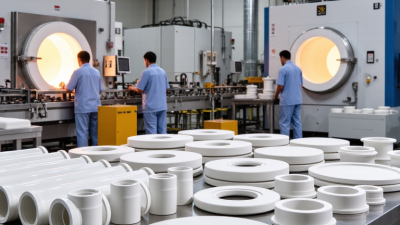
The batch is mixed with a temporary binder, then pressed or cast into the required shape. Drying must be gradual, especially around corners and thicker sections. Small errors accumulate. During firing, the selected temperature and hold time depend on the formulation and kiln setup. The heat develops the ceramic bond, but uneven firing can cause warping or hidden cracks. After cooling, technicians check dimensions, surface condition, and often density or porosity. A plate that looks sound may still need testing for thermal shock. There is no magic recipe; a process that works in one kiln may need adjustment in another.
Typical temperature ranges in two thermal stages of corundum mullite plate production
Production typically involves batching and mixing raw materials, forming the plate, drying it, and firing it before controlled cooling. Drying is commonly carried out around 100–150°C, while high-temperature firing is often in the approximate range of 1,500–1,700°C. Actual temperatures vary with composition, forming method, and kiln schedule.
In 2026, evaluating corundum mullite plate manufacturers starts with evidence, not polished catalog claims. Request recent test reports for the product grade you plan to buy. Check alumina content, bulk density, apparent porosity, strength, and dimensional tolerances. Ask how these values are measured and whether reports represent routine production or a special sample. Details matter. A plate may look sound on a bench yet crack after repeated heating. Ask for thermal-shock results and the test conditions behind them.
Match the plate’s stated service temperature and chemical resistance to your actual furnace cycle, load, and atmosphere. Request a sample, then inspect its edges, flatness, and surface before discussing a larger order. Compare sample results with the manufacturer’s batch records and traceability process. Ask how defects are handled, and get lead times and packaging details in writing. These checks cannot predict every failure. They can expose vague answers. I would be cautious if a supplier cannot explain differences between test conditions and real operating use; even good documentation has limits.
When comparing corundum mullite plate manufacturers in 2026, focus on how well their materials match your kiln cycle and load. Ask for stated alumina content, apparent porosity, bulk density, and service-temperature data. Numbers need context. A plate used under repeated thermal cycling may behave differently from one exposed to steady heat. Request test methods and recent batch reports, not only a polished specification sheet. Check whether dimensions, flatness, and edge finish are inspected before dispatch; uneven support can cause stress during firing. If possible, evaluate a sample under conditions close to your actual process.
Supplier reliability also shows in manufacturing controls and communication. Ask how raw materials are tracked, firing schedules are monitored, and out-of-tolerance batches are handled. Clear answers matter. Confirm lead times, packaging, replacement procedures, and whether technical staff can discuss installation limits. A low quote may omit useful testing or protective packaging, while a higher price does not automatically mean better consistency. Compare operating costs, including plate life, downtime, and rejected ware. Ask how performance changes after repeated heating and cooling, not just at peak temperature. Suppliers may lack data for your exact kiln, so treat estimates cautiously and record results from your own trials.
| Selection Factor | What to Evaluate | Evidence to Request | Why It Matters |
|---|---|---|---|
| Product composition and phase | Confirm the stated alumina and silica composition, mineral phases, and whether the product is a fired corundum–mullite ceramic or another refractory formulation. | Product data sheet and a recent, lot-specific chemical or mineralogical analysis, where applicable. | Composition and phase balance influence the plate’s properties and suitability for the intended service conditions. |
| Operating temperature | Check the recommended continuous-use and peak-use temperatures for the actual atmosphere, load, and operating cycle. | Written application limits and test or service data relevant to the proposed conditions. | A quoted maximum temperature alone does not establish suitability; service life also depends on load, atmosphere, thermal cycling, and installation. |
| Thermal shock performance | Ask how thermal-shock resistance is evaluated and whether the test conditions resemble the planned heating and cooling cycle. | Test method, specimen details, conditioning procedure, and results. | Thermal cycling can cause cracking or spalling. Results are meaningful only when the test method and conditions are clear. |
| Mechanical properties | Review the relevant measures, such as cold crushing strength, flexural strength, or load-bearing performance at temperature. | Test reports identifying the method, sample condition, and whether results are typical or guaranteed. | Mechanical requirements depend on plate thickness, support spacing, handling, and the load in service. |
| Dimensions and tolerances | Confirm length, width, thickness, flatness, edge details, and allowable dimensional variation. | Dimensioned drawing, written tolerance schedule, and inspection records for production parts. | Consistent dimensions help plates fit fixtures and reduce installation issues; acceptable tolerances depend on the application. |
| Porosity and density | Check apparent porosity and bulk density when these properties affect strength, thermal behavior, or resistance to penetration. | Lot-specific test results and the test method used. | These properties can help characterize a refractory ceramic, but should be assessed alongside composition and service requirements. |
| Resistance to process materials | Describe contact with slags, fluxes, glass, metals, vapors, or other corrosive materials and ask for compatibility information. | Relevant application data or test results using comparable materials and exposure conditions. | Corrosion behavior depends on the specific chemistry, temperature, exposure time, and operating environment. |
| Quality control and traceability | Determine how raw materials, forming, firing, inspection, and nonconforming products are controlled. | Quality-system documentation, inspection plan, batch identification, and sample certificates of analysis or test reports. | Documented controls and traceability make it easier to verify consistency and investigate quality issues. |
| Sample evaluation | Test representative samples in the intended equipment or under agreed laboratory conditions before approving production orders. | Sample identification, agreed acceptance criteria, and a written record of evaluation results. | A sample trial can reveal fit or performance issues that a general product description cannot establish. |
| Production capacity and lead time | Verify the supplier’s ability to meet the required dimensions, quantity, production schedule, and repeat-order needs. | Written quotation, confirmed production schedule, and details of packaging and shipment. | Capacity and lead time should be confirmed for the specific order rather than assumed from general claims. |
| Packaging and transport protection | Check how plates are separated, restrained, and protected from impact and moisture during storage and shipment. | Packaging specification and a process for documenting and resolving transit damage. | Ceramic plates can be damaged by handling or impact, so packaging should suit their size, shape, and shipping route. |
| Commercial and technical support | Review quotation completeness, warranty terms, response process, and access to technical clarification. | Written quotation, product specification, warranty terms, and named service contact details. | Clear documentation helps align expectations for product scope, delivery, acceptance, and after-sales support. |
Comparison note: No supplier rankings or performance scores are shown here. Request comparable, lot-specific documentation from each candidate and evaluate it against your application requirements and agreed acceptance criteria.