
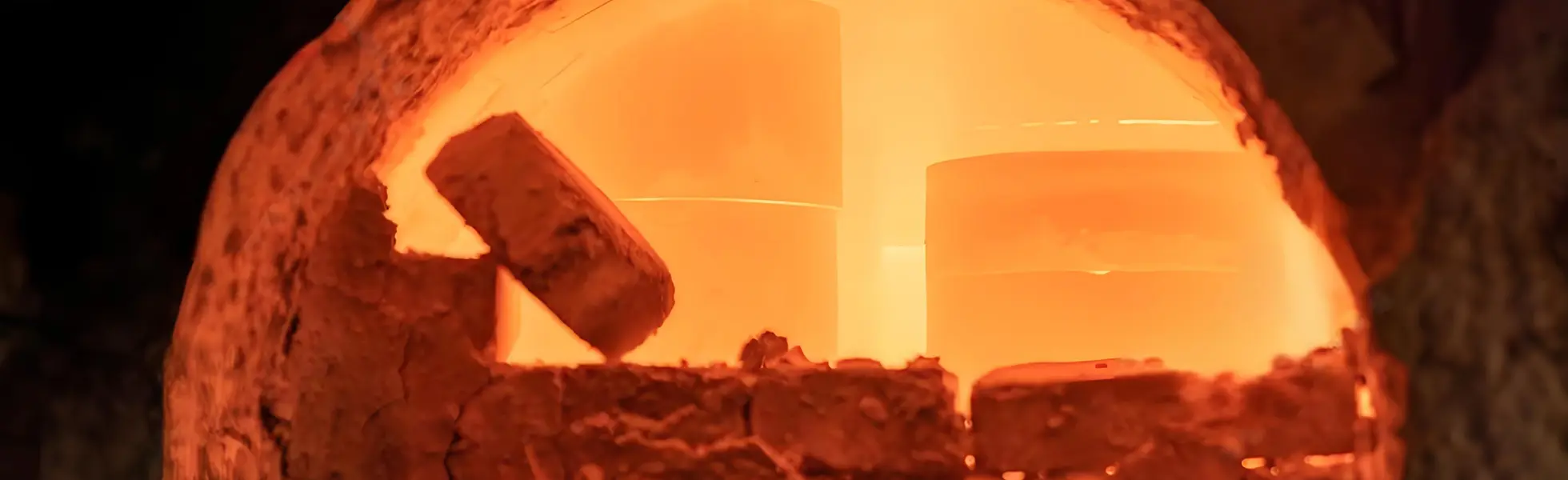



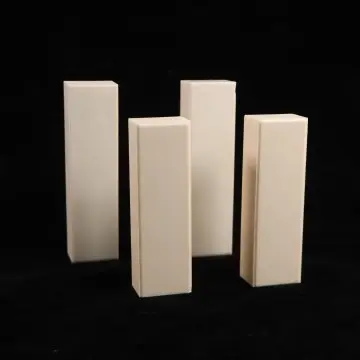

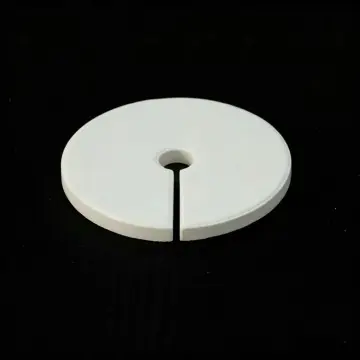

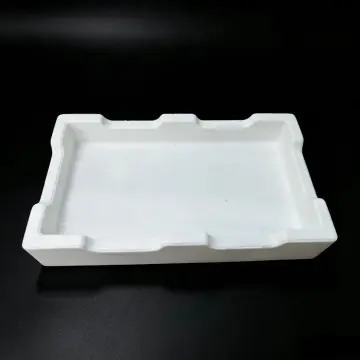

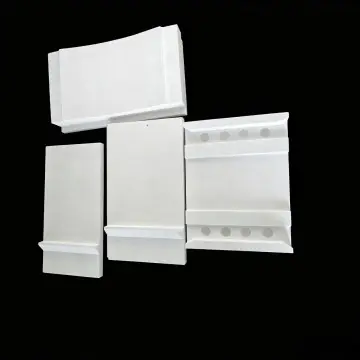



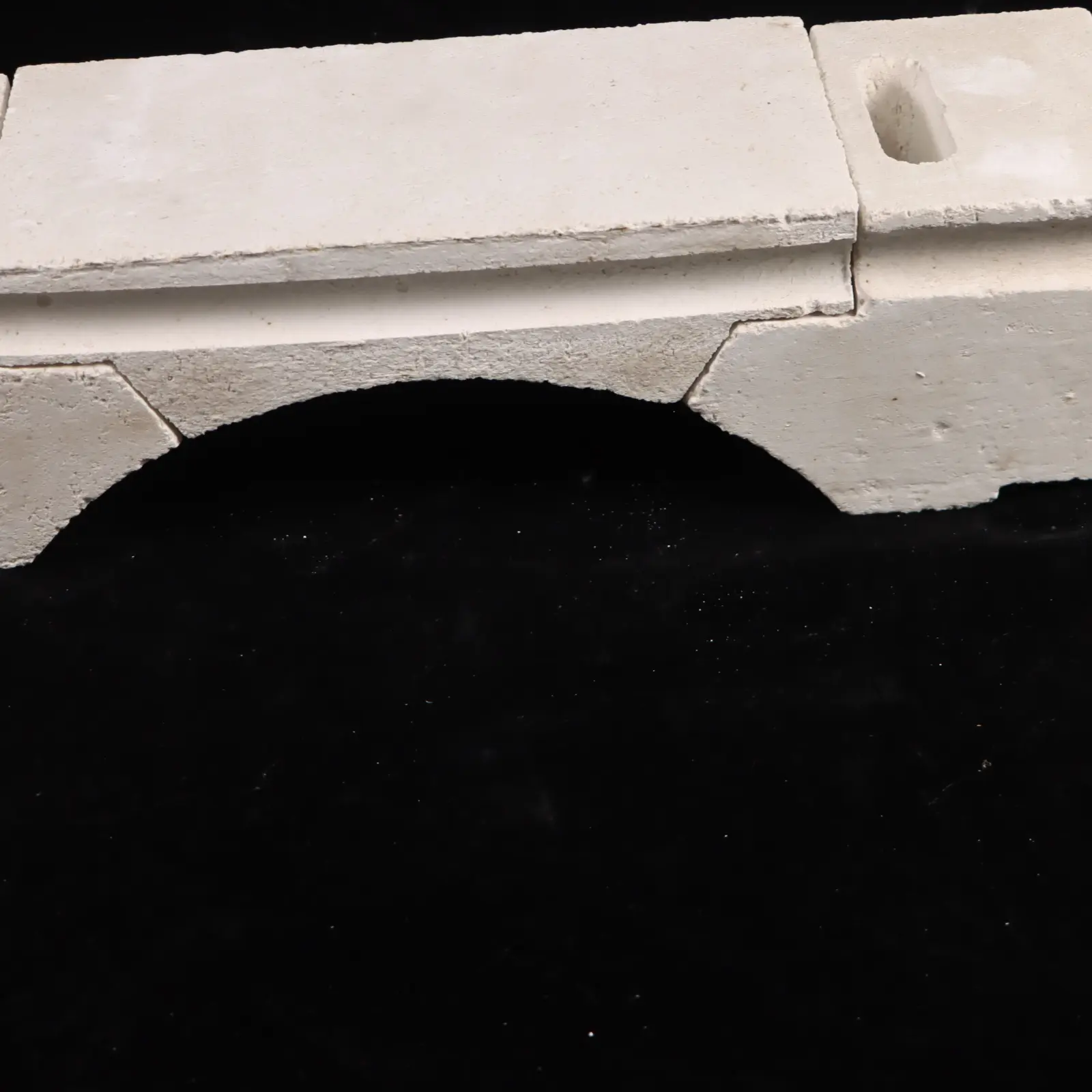
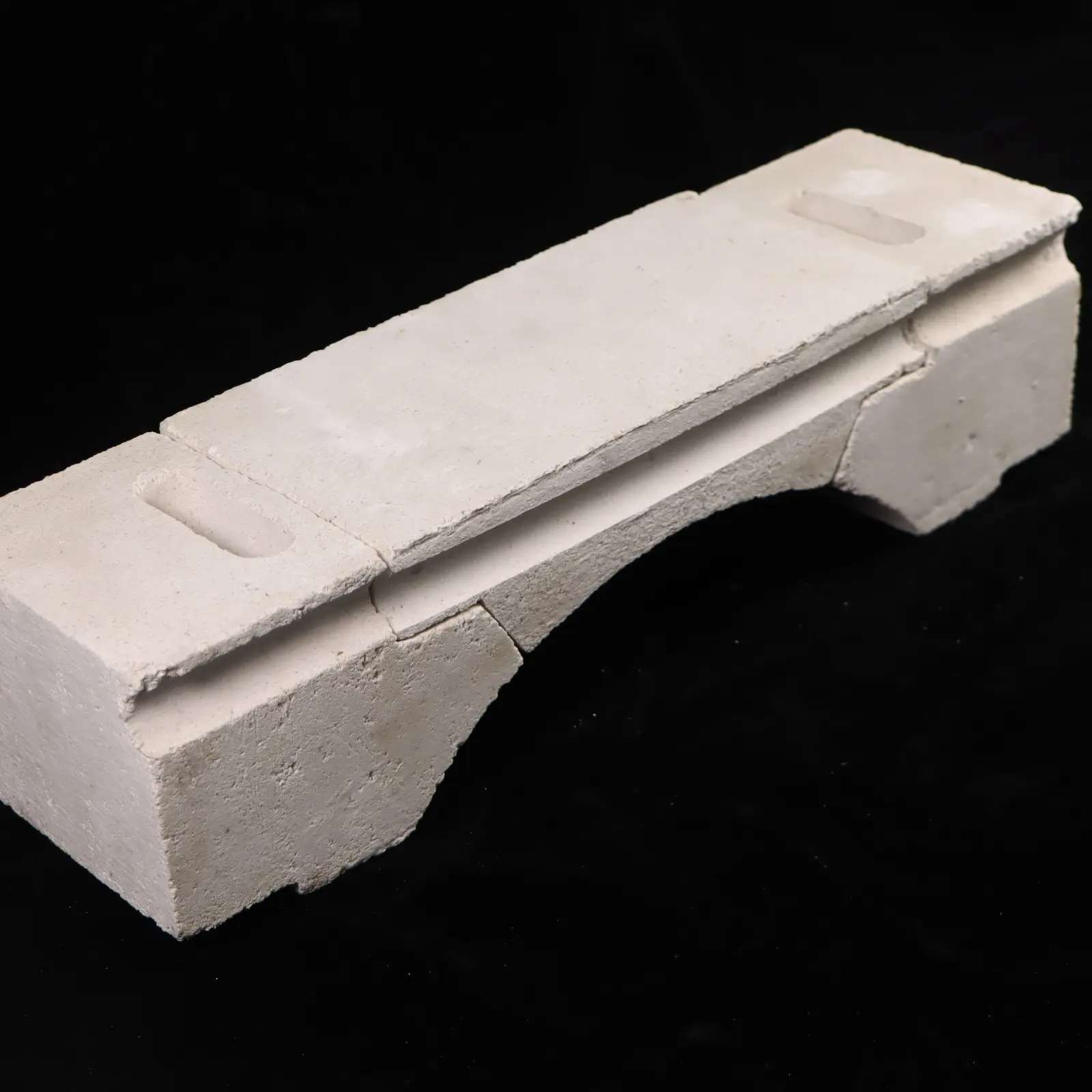
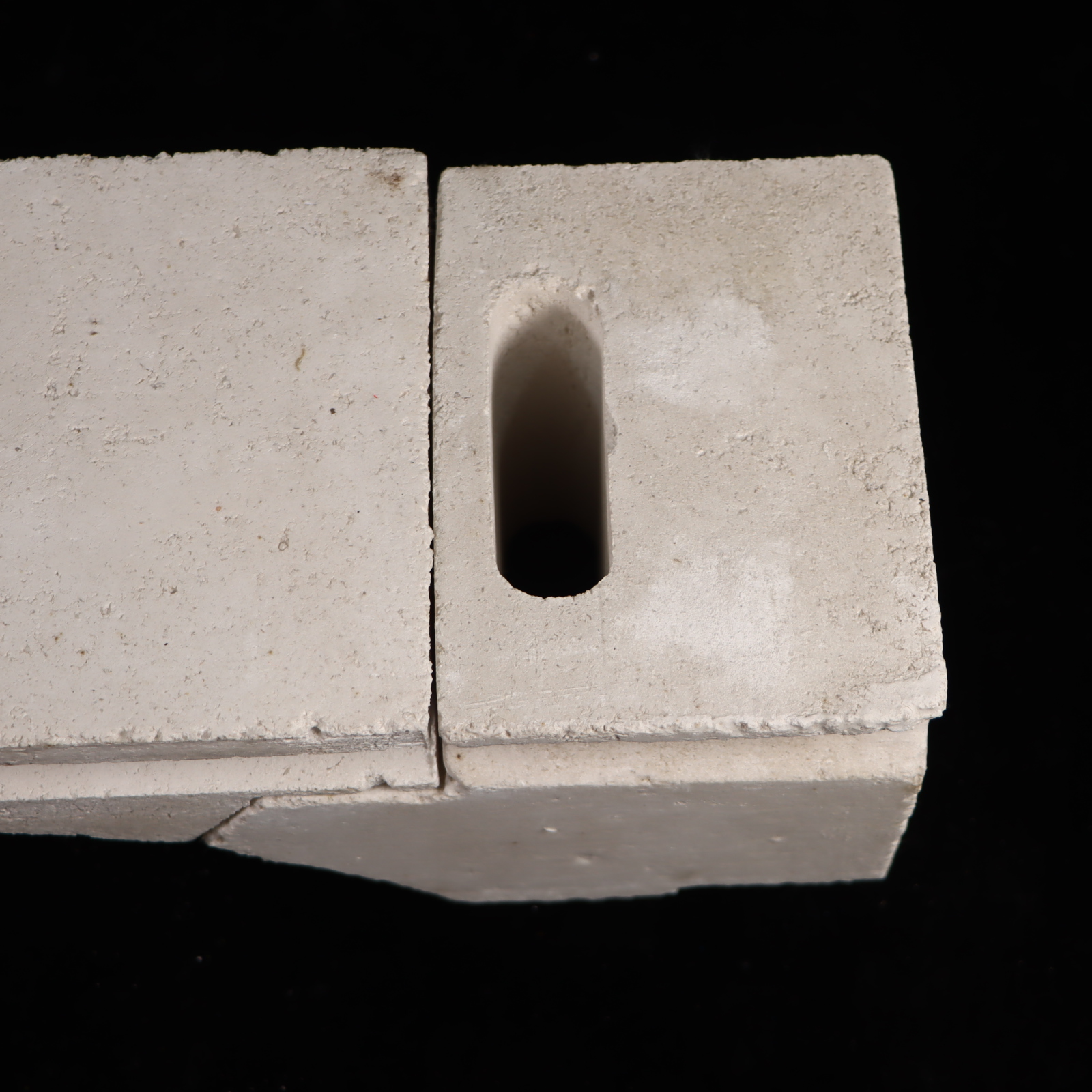
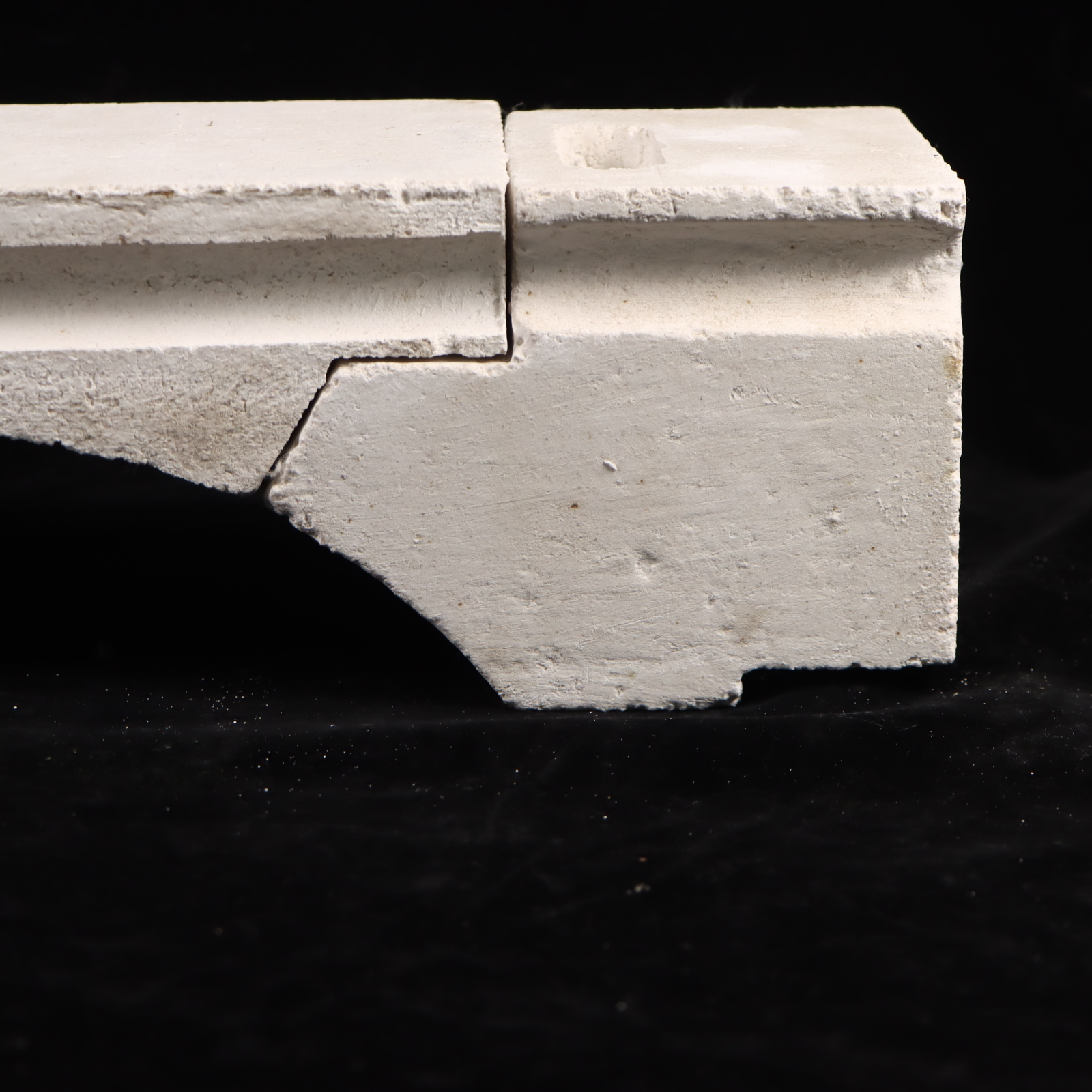
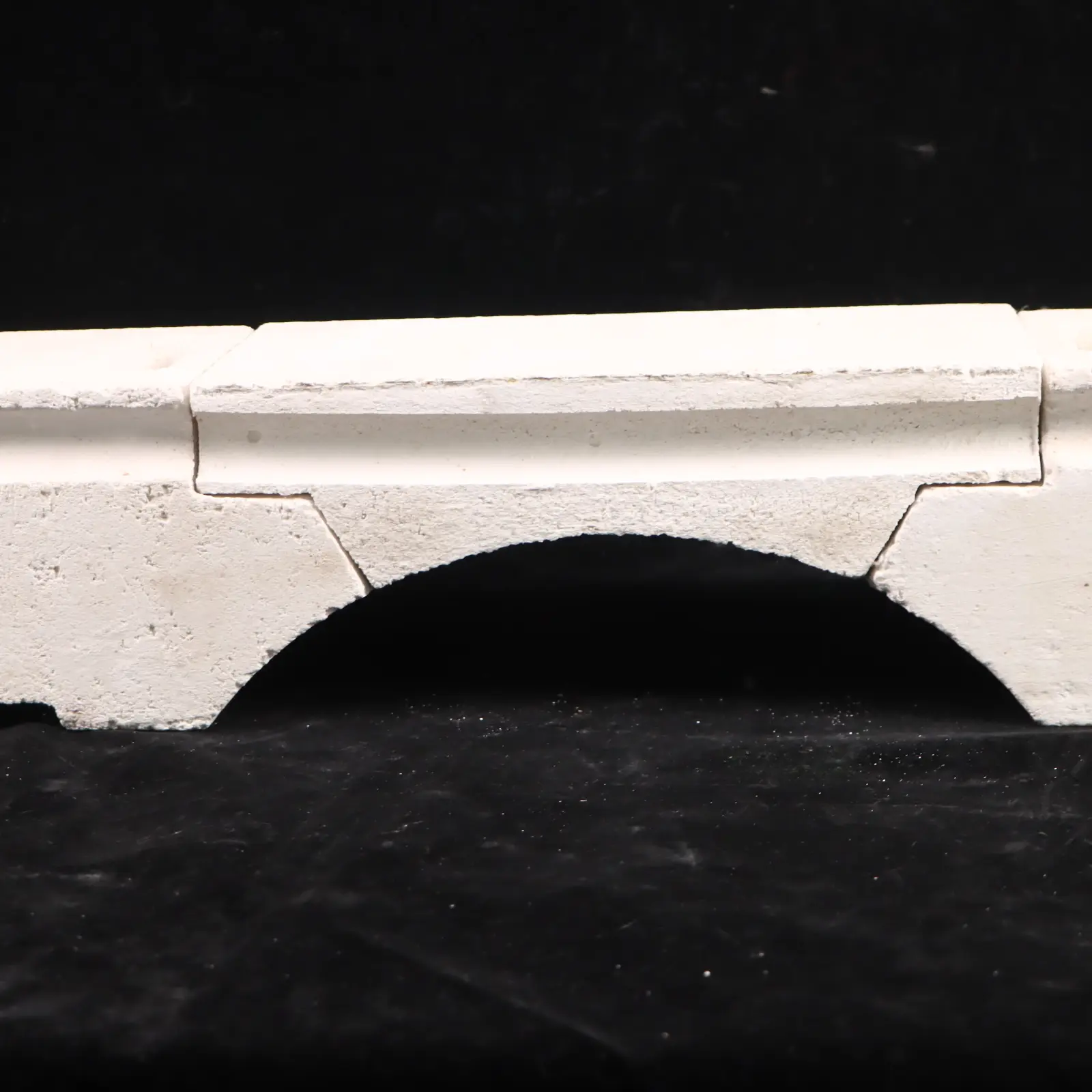
High temperature corundum bricks for 1600℃use
Exceptional Material Properties and Composition
The superior performance of corundum bricks is rooted in their fundamental composition. They are primarily composed of α-alumina (Al₂O₃), with a purity level typically exceeding 90%, and often reaching 99% or higher for premium grades. Corundum itself is the mineral form of aluminum oxide, renowned for its extreme hardness (9 on the Mohs scale, second only to diamond) and high melting point of 2054°C. This high-purity alumina matrix is sintered at ultra-high temperatures to form a dense, crystalline structure that is the source of its remarkable properties.
The key material properties that define these bricks include:
-
Extreme Refractoriness: With a softening temperature under load (RUL) well above 1700°C, they maintain structural integrity and do not deform at the operational temperature of 1600°C.
-
High Mechanical Strength: Both cold crushing strength (CCS) and hot modulus of rupture (HMOR) are exceptionally high. This ensures the bricks can withstand mechanical abuse during installation, the weight of superimposed loads, and the mechanical stress from thermal cycling.
-
Superior Volume Stability: They exhibit excellent resistance to creep and very low permanent linear change on reheating (PLC), guaranteeing that the kiln lining remains dimensionally stable over time, preventing the formation of gaps and cracks.
-
Outstanding Chemical Inertness: The neutral chemical nature of high-purity alumina provides excellent resistance to attack by acidic and basic slags (within certain limits), fluxes, and molten metals. This makes them ideal for environments where contamination from refractory wear is unacceptable.
Defining Characteristics and Advantages
The translation of these material properties into tangible characteristics makes corundum bricks indispensable. Their most prominent features are:
-
Unmatched Erosion and Abrasion Resistance: The dense microstructure and inherent hardness make them highly resistant to the scouring action of solid materials, high-velocity gases, and molten particles flowing through the kiln.
-
Excellent Thermal Shock Resistance (for their class): While not as resilient as some silica-based refractories, advanced corundum bricks are formulated with micro-crack networks or specific grain size distributions to enhance their ability to withstand rapid temperature changes without spalling.
-
High Purity and Non-Contaminating: For processes like the firing of high-purity ceramics, electronic components, or optical glass, the ultra-pure composition of these bricks ensures that no volatile components or reactive dust can contaminate the product.
-
Long Service Life and Reduced Downtime: The synergy of their mechanical, thermal, and chemical properties results in a significantly longer service life compared to lower-grade refractories like fireclay or even high-alumina bricks, leading to reduced maintenance costs and increased kiln availability.
Critical Applications in Demanding Environments
The application of high-temperature corundum bricks is targeted at the most challenging areas within a 1600°C kiln. They are not typically used for the entire structure due to cost considerations, but are strategically deployed as working linings in critical zones.
-
The Hottest Zones of Tunnel Kilns and Shuttle Kilns: Lining the firing zones where the highest temperatures are achieved.
-
Ware Setting Areas and Kiln Furniture: Used to construct posts, slabs, and beams that support the product being fired. Their high load-bearing capacity at temperature is crucial here.
-
Linings for Metallurgical Furnaces: In areas exposed to molten iron, steel, and non-ferrous metals.
-
Chemical and Petrochemical Industry: As linings for reformers and crackers where high-temperature reactions occur in aggressive atmospheres.
-
Glass Melting Furnaces: Used in the superstructure and ports where they are exposed to high temperatures and corrosive alkali vapors.
-
Incinerators and Gasifiers: Protecting the structure from extreme heat and corrosive byproducts High-temperature corundum bricks represent the apex of refractory technology for 1600°C kilns. Their exceptional blend of strength, stability, and purity makes them an essential engineering solution, safeguarding the integrity of the kiln and the quality of the final product in the world's most thermally intensive manufacturing processes.