


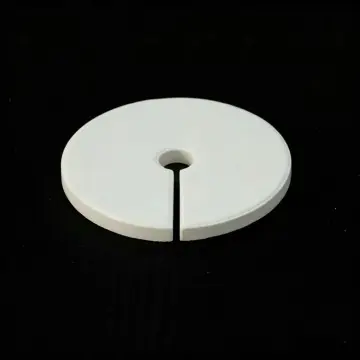

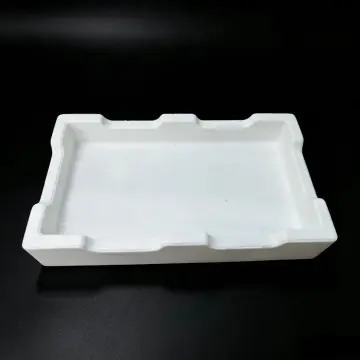
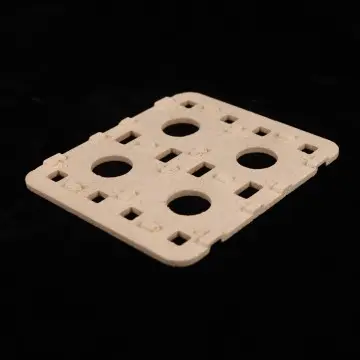
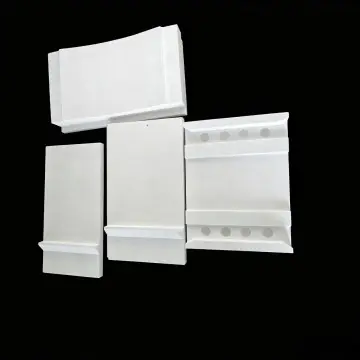


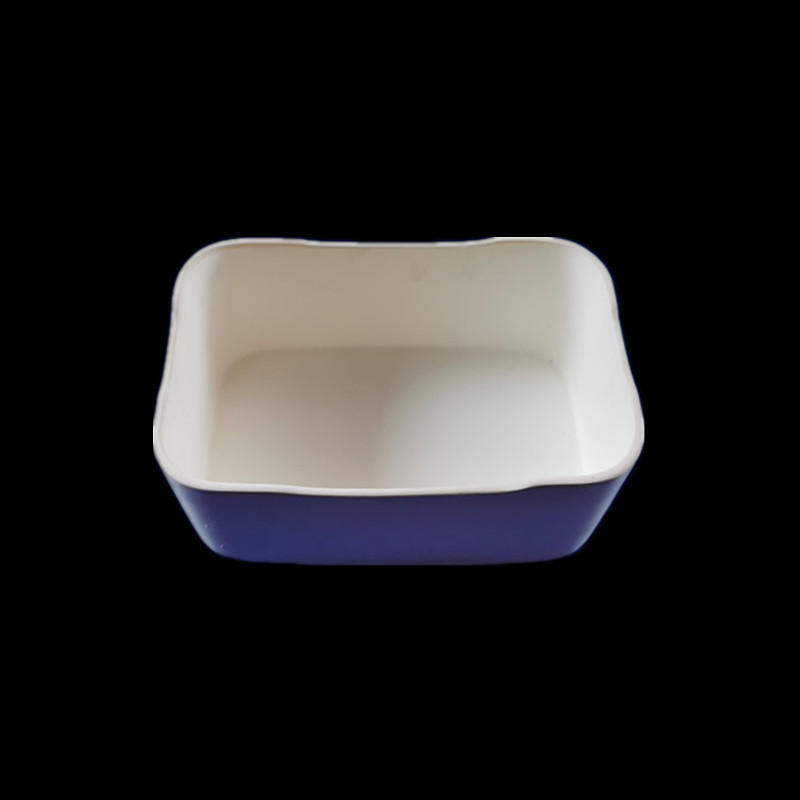
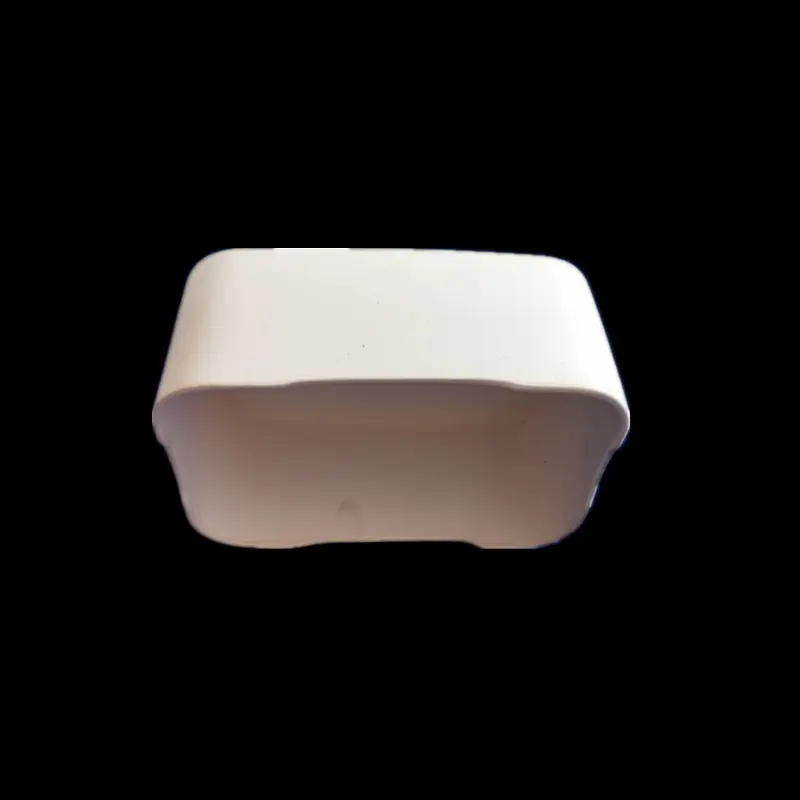
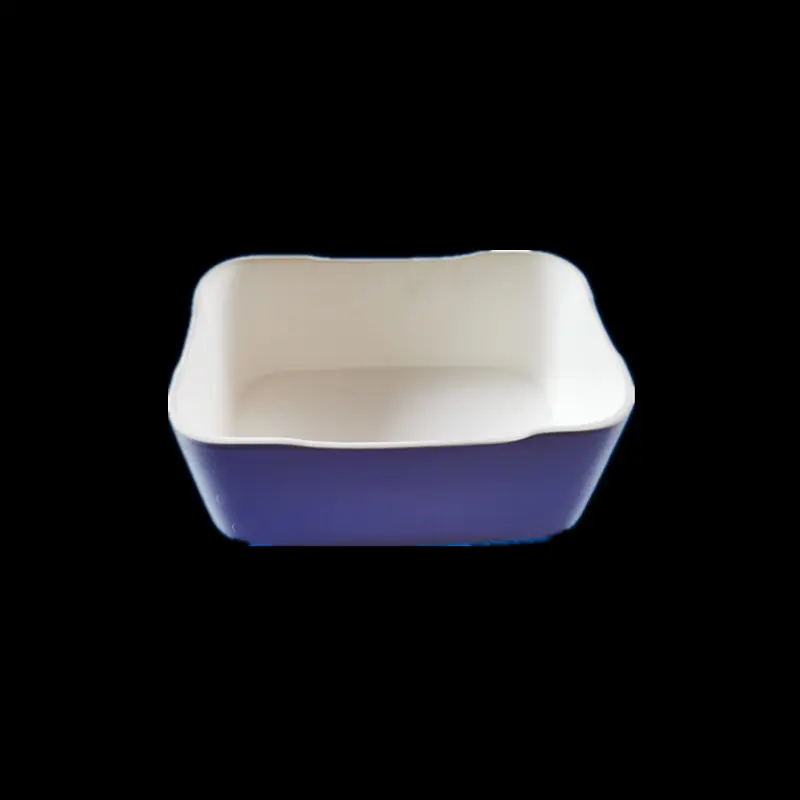
High temperature Low-Expansion Microcrystalline ceramic crucible for high pure powder firing
Unparalleled Features and Material Science
At the heart of this crucible's superior performance is its unique microcrystalline structure. Unlike conventional amorphous ceramics or fused silica, our crucible undergoes a controlled crystallization process. This process creates a dense, fine-grained microstructure where microscopic crystals are interlocked within a residual glassy matrix. This specific architecture is the key to its exceptional properties.
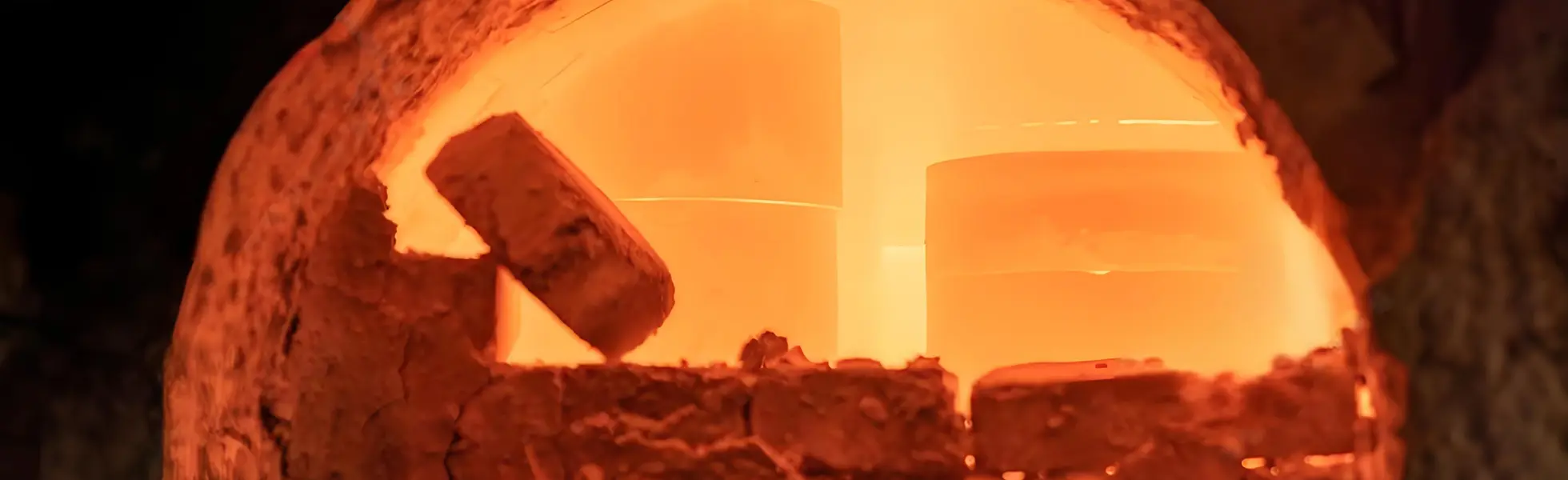
The most defining feature is its ultra-low coefficient of thermal expansion (CTE). The microcrystalline structure inherently resists dimensional changes when subjected to extreme temperature fluctuations. This results in phenomenal thermal shock resistance, allowing the crucible to withstand rapid heating and cooling cycles—from room temperature to over 1250°C and back—without cracking or degrading. This robustness eliminates a primary cause of failure in high-temperature operations, ensuring process continuity and safety.
Superior Performance Characteristics
The material's intrinsic properties translate directly into tangible performance benefits:
-
Exceptional Thermal Stability: The low CTE ensures minimal deformation and warping even after prolonged exposure at peak operating temperatures. This guarantees consistent thermal profiles and reliable heat transfer, crucial for processes like crystal growth where temperature gradients must be precisely controlled.
-
High Mechanical Strength: The interlocking crystal network provides superior mechanical strength compared to fully amorphous materials. It resists creep under load at high temperatures and exhibits excellent resistance to abrasion and physical impact, leading to a longer service life and reduced risk of catastrophic failure.
-
Outstanding Chemical Inertness: The crucible exhibits remarkable resistance to attack by a wide range of molten metals, oxides, and slags. It is particularly resistant to the corrosive effects of reactive alloys and high-purity semiconductor melts. This chemical purity ensures that the melt remains uncontaminated, which is paramount for applications in electronics and advanced alloy development.
-
Low Thermal Conductivity: Despite its high thermal shock resistance, the material maintains a relatively low thermal conductivity. This property allows for better control over heat distribution within the melt, promoting uniform solidification and improving the quality of the final product.
Diverse and Critical Applications
The combination of these properties makes the Low-Expansion Microcrystalline Crucible indispensable across a spectrum of high-tech industries:
-
Crystal Growth: It is the vessel of choice for the Czochralski (CZ) and Kyropoulos methods for growing large, high-quality single crystals of semiconductor materials like Gallium Arsenide (GaAs) and Gallium Nitride (GaN), as well as for various laser and scintillator crystals.
-
Semiconductor and Solar Cell Processing: Used for melting and purifying high-purity silicon and other precursor materials for the photovoltaic and electronics industries, where purity is non-negotiable.
-
Advanced Alloy Melting and Research: Ideal for vacuum induction melting (VIM) and precision casting of superalloys, titanium alloys, and other rare or reactive metals, where contamination from the crucible wall would compromise the alloy's properties.
-
Laboratory and R&D: Serves as a reliable tool for materials scientists developing new compounds, studying high-temperature chemistry, and conducting thermogravimetric analysis (TGA) under aggressive conditions.