













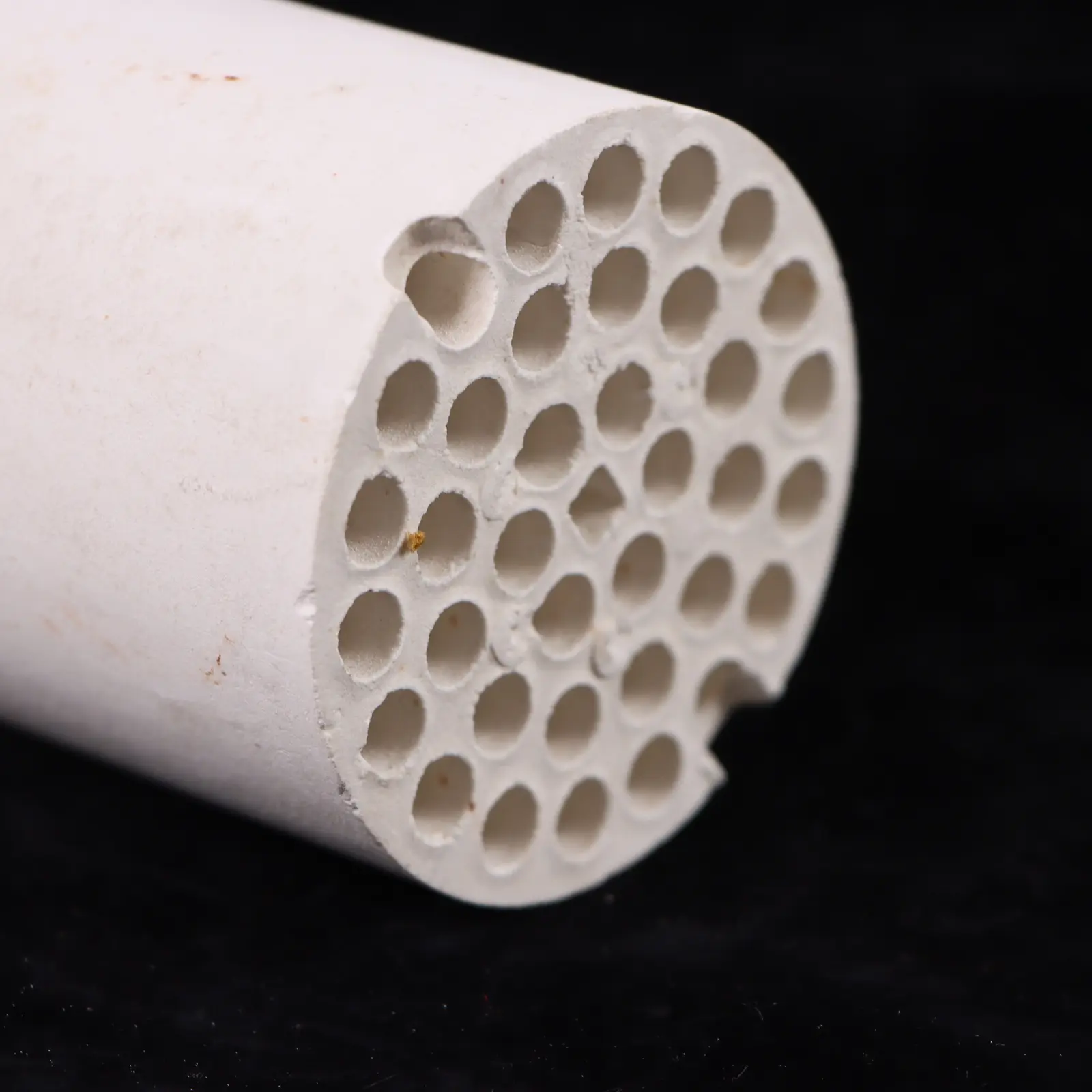
High temperature resistance porous mullite tube for filtering
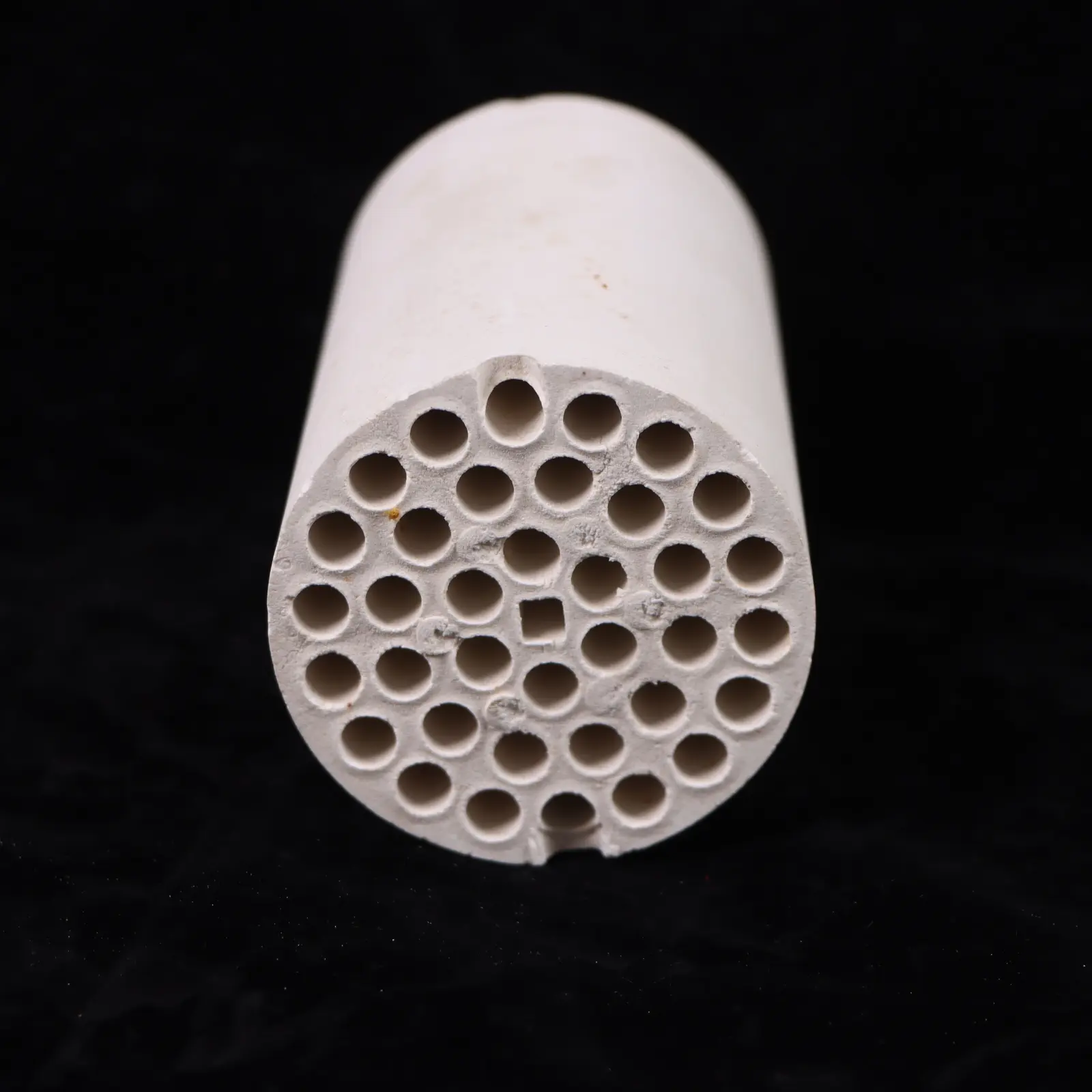
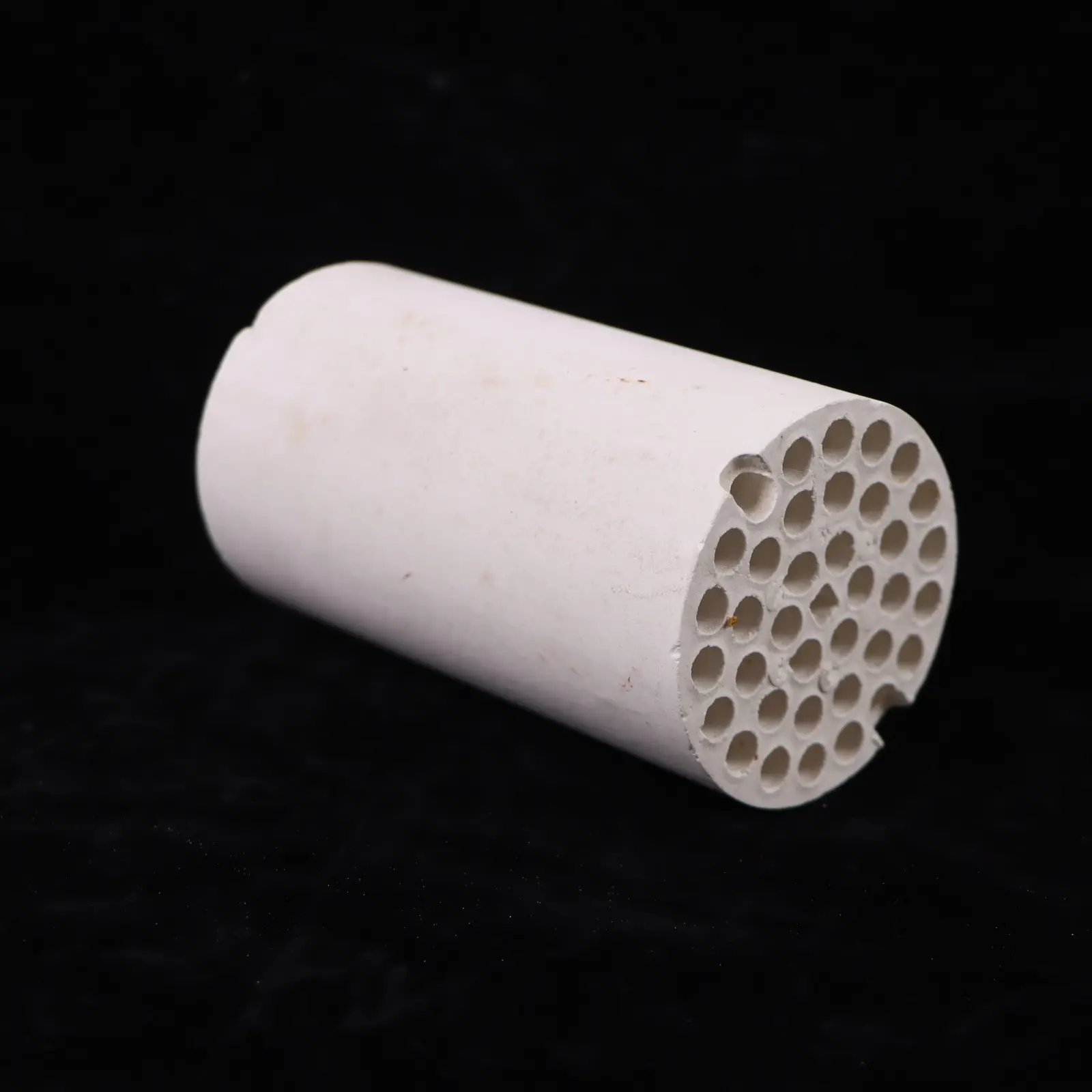
The performance of these tubes stems from their unique microstructure. They are fabricated to possess a specific porosity, typically ranging from 30% to 50%, with a network of interconnected pores. The average pore size can be precisely tailored, from a few micrometers to several tens of micrometers, to target specific particle pollutants. This porous architecture is built upon the stable crystal structure of mullite, which ensures minimal sintering or pore closure even during prolonged exposure to high temperatures. Furthermore, mullite's low thermal expansion coefficient grants these tubes outstanding resistance to thermal shock, allowing them to withstand rapid temperature cycling without cracking.
The manufacturing process is crucial for achieving these properties. Common techniques include the foam replication method, gel-casting, and the addition of pore-forming agents. In a typical process, mullite precursor powders are mixed with organic binders and sacrificial materials (such as starch or polymer beads). Upon sintering at temperatures around 1500-1650°C, the mullite phase forms, and the organic components burn out, leaving behind a rigid, highly porous ceramic body.
The primary application of high-temperature porous mullite tubes is in hot gas filtration systems. They are extensively used as filter elements in advanced coal-fired power plants, waste incinerators, and metallurgical processes. In these settings, the tubes effectively remove particulate matter (fly ash) from flue gases at source, eliminating the need for downstream cooling and simplifying the cleaning process. This directly contributes to increased energy efficiency and reduced emissions. Another significant application is in the metal casting industry, where porous mullite tubes are used to filter molten metals like aluminum and iron, trapping non-metallic inclusions and significantly improving the quality and mechanical properties of the final cast product.