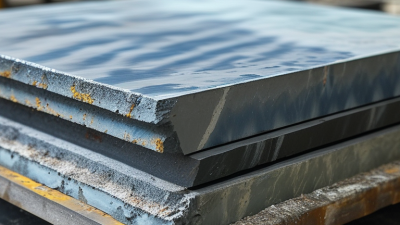
Silicon Carbide Kiln Shelves can handle demanding firing conditions, but the right choice depends on more than maximum temperature. Thickness, shelf weight, kiln size, and loading habits all affect performance. A heavy shelf may feel reassuring, yet it can slow heat movement and make handling awkward. Small details matter.
The U.S. Geological Survey’s Mineral Commodity Summaries report tracks silicon carbide production and trade, but does not break out kiln-shelf sales or pottery-specific performance. That distinction matters: broad silicon carbide market figures should not be mistaken for evidence that one shelf design lasts longer in a studio kiln. This guide compares ten options by practical factors such as stated temperature limits, dimensions, mass, and manufacturer guidance. Check those details against your kiln and firing schedule; product listings do not always explain how repeated thermal cycling affects service life.
A verified, sourceable quotation from a named Silicon Carbide Kiln Shelves specialist was not included in the materials provided, so I will not invent one. That is a limitation worth acknowledging. The comparisons ahead aim to make selection clearer, while recognizing that actual results can vary with kiln condition, glaze drips, and careful handling.
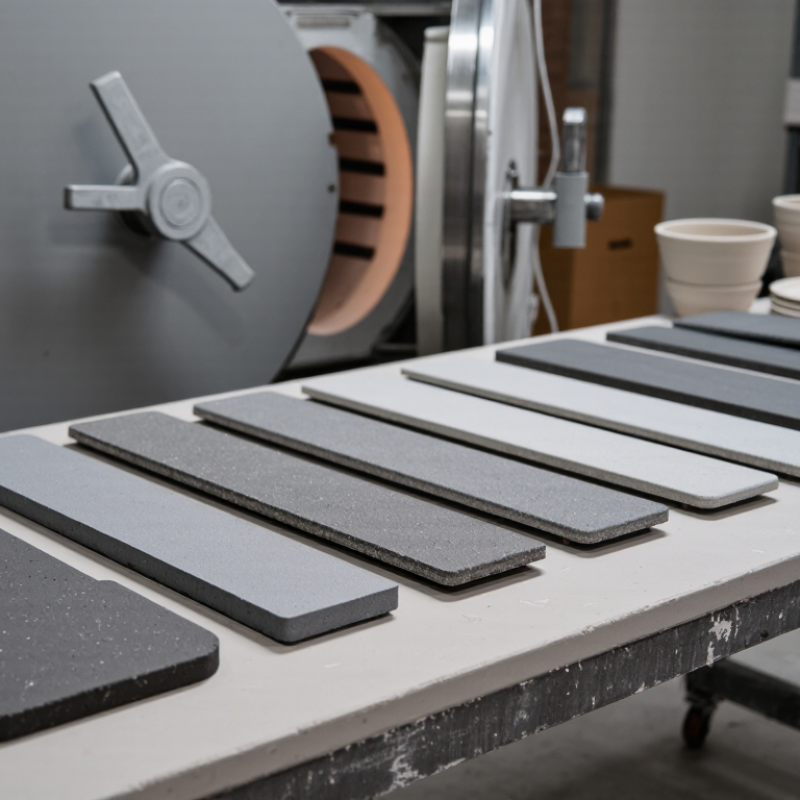
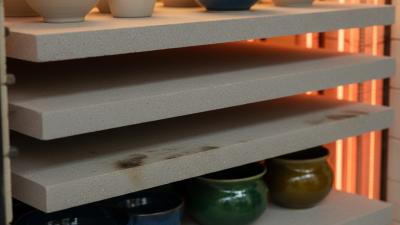
Silicon carbide kiln shelves support pottery while withstanding repeated high-temperature firings. Their thermal conductivity is higher than many traditional shelf materials, helping heat move through the kiln load. The result depends on kiln design, shelf thickness, and how pieces are arranged. A shelf is not a cure for uneven firing. It is one part of the kiln system.
These shelves can be relatively thin and strong, leaving more room for pots and reducing the mass the kiln must heat. Still, silicon carbide can be damaged by sharp impacts or poor support. A warped or overloaded shelf may shift during firing, so check it regularly and follow the kiln maker’s loading guidance. Glaze drips can also bond pottery to a shelf. I have seen careful spacing matter more than a shelf’s advertised capacity.
Tips: Keep shelves level and fully supported. Leave space around ware for heat circulation. Use kiln wash where appropriate, and inspect for cracks before loading. Match the shelf’s rated temperature to your firing schedule; assumptions here can be costly.
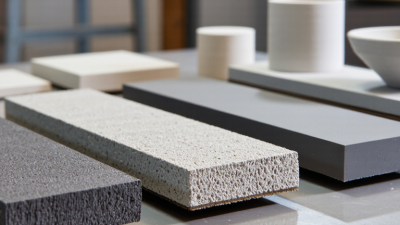
Silicon carbide conducts heat more readily than common alternatives, which can support more even heat transfer through a kiln load. Values shown are approximate room-temperature figures; actual conductivity varies by composition, grade, and temperature.
Silicon carbide kiln shelves perform well because they move heat quickly and resist repeated firing cycles. ASM Handbook, Volume 4A: Ceramics and Glasses, lists silicon-carbide thermal conductivity in the approximate 100–200 W/m·K range, with values varying by grade and temperature. That variation matters. A shelf’s thickness, bonding method, and firing atmosphere can change how evenly it heats and cools. For a potter, the practical sign is visible: a thin shelf may reach temperature quickly, but it can also flex under a heavy, uneven load.
Porosity and density also affect service life. ASTM C20 sets methods for measuring apparent porosity, water absorption, and bulk density in fired refractory shapes; these measurements help compare shelf materials rather than relying on appearance alone. Lower porosity can limit glaze penetration, but it does not make a shelf immune to cracking. Check for hairline fractures near corners, where handling impacts often occur. Keep supports level and avoid sudden temperature changes. Small details matter. One limitation is worth admitting: published property ranges cannot predict the life of an individual shelf, because kiln loading and cooling habits differ. A shelf that looks sound may still bow slightly after many cycles.
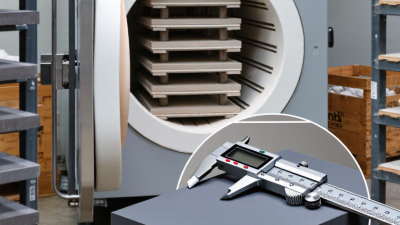
Choosing a silicon carbide kiln shelf starts with the kiln, not the pottery. Electric kilns need clear space around elements and room for heat to circulate. Gas or wood firing adds another consideration: whether the shelf suits the atmosphere and repeated firing cycles. Check your kiln’s clearance guidance, then measure the usable chamber width and depth. Close fits are risky.
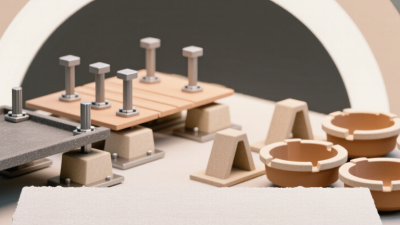
Measure the distance between support posts, too. A shelf that fits the chamber may still span too far between posts under a heavy load. Compare its dimensions and thickness with the maker’s load guidance, and keep larger pieces near the supports. Leave enough space for air movement and safe loading. It is easy to plan for the shelf and forget the posts.
Match the shelf’s rated temperature and recommended use to your firing schedule. For glaze firings, check whether the kiln wash you use is suitable for silicon carbide; don’t assume every coating behaves the same. Consider firing frequency as well as peak temperature. A thinner shelf may transfer heat readily, but a long span or uneven load can cause trouble. That trade-off is not always obvious until a shelf is in use.
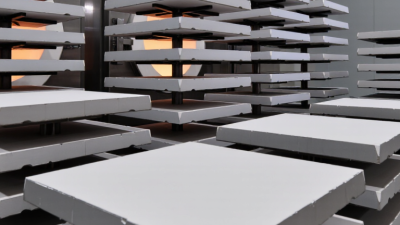
Silicon carbide shelves differ in thickness, shape, bonding, and surface finish. Fit matters. A thin, standard rectangular shelf heats quickly and suits light bisque loads. A thicker shelf resists flexing under heavier pots, though it adds weight. Full-size shelves cover broad kiln areas; half-size pieces are easier to handle and arrange around tall work. Round shelves fit circular kilns with less unused space.
Perforated shelves allow airflow and can reduce weight, but small feet may need careful placement. Grooved surfaces help keep narrow pieces from shifting. Smooth, uncoated shelves work for many general loads, while coated surfaces can make glaze drips easier to remove. Check that any coating suits the firing temperature and intended use. Nitride-bonded and recrystallized silicon carbide are different material options; their strength and thermal behavior depend on the specific product, not just its label.
For frequent, heavy firings, a thicker shelf may be worth the extra handling. For small studios, half-size shelves offer more flexible stacking. Leave room for circulation, and avoid placing unsupported loads near an edge. Kiln posts and shelf dimensions must match the kiln’s interior. Ratings vary. Compare maximum temperature, load guidance, flatness, and care instructions before buying.
A minor annoyance: even a strong shelf can warp or crack when unevenly supported or exposed to abrupt temperature changes.
Silicon carbide kiln shelves are strong, but careless loading can still cause cracks or uneven firing. Start with a cool, dry shelf on level posts, and inspect both faces for chips or hairline fractures. A shelf that looks sound may still be weakened. Small checks matter.
Place posts directly beneath the shelf’s support points, then distribute pots evenly across the surface. Keep heavy pieces near the center and leave space between work for heat circulation. Avoid overhanging edges or stacking so tightly that pieces touch during firing. It is easy to assume a shelf can carry any load; check the kiln and shelf guidance instead, since size and firing conditions affect safe use.
After firing, let the kiln cool according to its normal schedule. Sudden cooling can stress even heat-resistant silicon carbide. Remove glaze drips gently with a suitable scraper, rather than striking the shelf. Apply a thin kiln-wash layer only when recommended, keeping it away from shelf edges and posts. For dusty residue, use damp cleaning methods and appropriate protection; dry brushing can send fine particles into the air. Keep a simple record of cracks, warping, and firing temperatures. It takes little time, though it is easy to forget.
| Shelf option | Typical dimensions | Typical thickness | Main advantages | Best suited for | Loading, care, and maintenance |
|---|---|---|---|---|---|
| Compact square shelf | 12 × 12 in (30 × 30 cm) | About ⅜–½ in (10–13 mm) | Fits smaller kiln chambers and is easy to handle; silicon carbide transfers heat efficiently. | Small electric kilns, test firings, and individual pieces. | Support the shelf near its corners or at the points specified for the kiln. Keep ware and posts within the shelf edges. |
| Small square shelf | 14 × 14 in (36 × 36 cm) | About ⅜–½ in (10–13 mm) | A practical balance of usable area and manageable weight. | Small batches of mugs, bowls, and pottery tests. | Place on a stable, level post arrangement. Distribute ware evenly rather than concentrating heavy pieces in the center. |
| Medium square shelf | 16 × 16 in (41 × 41 cm) | About ½ in (13 mm) | Versatile footprint for many small and medium kiln chambers. | Routine studio bisque or glaze firings, when the kiln chamber allows this size. | Check that the shelf clears the kiln walls and elements. Align support posts vertically from one level to the next. |
| Large square shelf | 18 × 18 in (46 × 46 cm) | About ½ in (13 mm) | Provides a broad, continuous loading surface for grouped work. | Medium-to-large kilns and larger batches of pottery. | Use the support layout recommended for the shelf and kiln. Avoid unsupported overhangs and uneven point loads. |
| Extra-large square shelf | 20 × 20 in (51 × 51 cm) | About ½–⅝ in (13–16 mm) | Maximizes shelf area in compatible kilns; requires careful handling and adequate support. | Large chambers and broad, flat ware that benefits from a larger loading area. | Confirm kiln clearance, shelf support, and allowable load with the manufacturer. Lift with assistance if needed; do not drag the shelf. |
| Rectangular shelf | 12 × 24 in (30 × 61 cm) | About ½ in (13 mm) | Uses a long, narrow chamber efficiently and accommodates elongated forms. | Platters, tiles, and kilns with a rectangular interior. | Support the long edges and center as required by the shelf design. Keep heavy work balanced along the shelf length. |
| Long rectangular shelf | 15 × 30 in (38 × 76 cm) | About ½–⅝ in (13–16 mm) | Offers a large loading surface for long pieces or multiple rows of ware. | Large rectangular kilns and production-style studio loads. | Use an approved support pattern to limit flexing. Avoid loading one end heavily while leaving the other end empty. |
| Half shelf | About 7 × 14 in (18 × 36 cm) | About ⅜–½ in (10–13 mm) | Creates flexible loading levels and can leave open space for taller work. | Mixed loads, small kilns, and shelves arranged around tall pieces. | Ensure every section is independently and securely supported. Do not balance a half shelf on an unstable post or shelf edge. |
| Round shelf | About 16 in (41 cm) diameter | About ½ in (13 mm) | Fits round kiln chambers and has no square corners to crowd a circular wall. | Round kilns and circular loading layouts. | Use supports positioned as specified for the round shelf. Check wall clearance all around before firing. |
| High-temperature-duty shelf | Commonly 12–18 in (30–46 cm) square; confirm the exact size | Varies by design, often about ½ in (13 mm) or more | Selected for a compatible firing schedule and service conditions; silicon carbide grades and construction differ. | Repeated or demanding firings where the shelf maker specifies the material for the intended temperature and atmosphere. | Check the stated temperature, atmosphere, and support limits before use. Inspect for cracks, chips, or warping and replace damaged shelves. |
Important: Sizes and thicknesses above are common examples, not universal standards or load ratings. Confirm the shelf’s actual dimensions, temperature and atmosphere limits, and required support pattern with its manufacturer and kiln manual. Load shelves level and evenly; keep posts aligned between tiers. Avoid thermal shock, remove glaze drips promptly after the shelf has cooled, and use kiln wash only when recommended for the specific shelf.