
Ceramic Substrates: Indispensable Material Backbone for the AI Industry
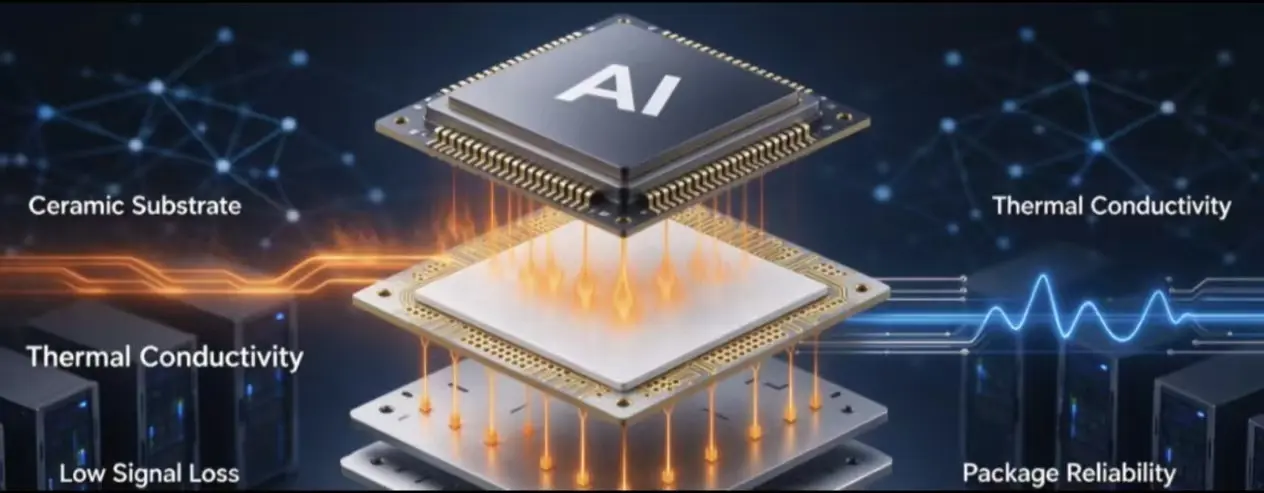
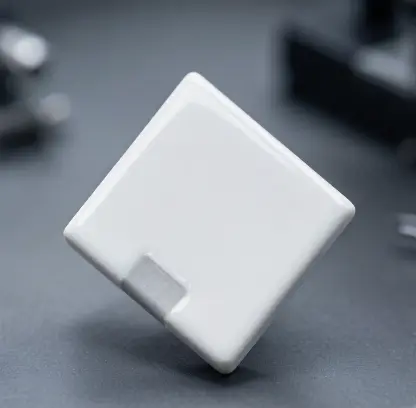
Ceramic substrates are dense, electrically insulating ceramic bases with metallized circuits. Three material grades dominate AI scenarios: alumina (Al₂O₃), aluminum nitride (AlN) and silicon nitride (Si₃N₄). Alumina substrates feature mature production and stable cost, widely adopted for medium-power auxiliary circuits and sensor packaging in AI servers. Aluminum nitride stands out as the premium choice for high-power AI chips, boasting thermal conductivity of 170–230 W/m·K and a coefficient of thermal expansion closely matching silicon dies. It creates efficient vertical heat conduction paths to quickly drain concentrated heat from thousand-watt-class AI accelerators, avoiding thermal throttling and permanent chip damage. Silicon nitride delivers outstanding mechanical strength and thermal shock resistance, ideal for power conversion modules inside AI rack power supplies.
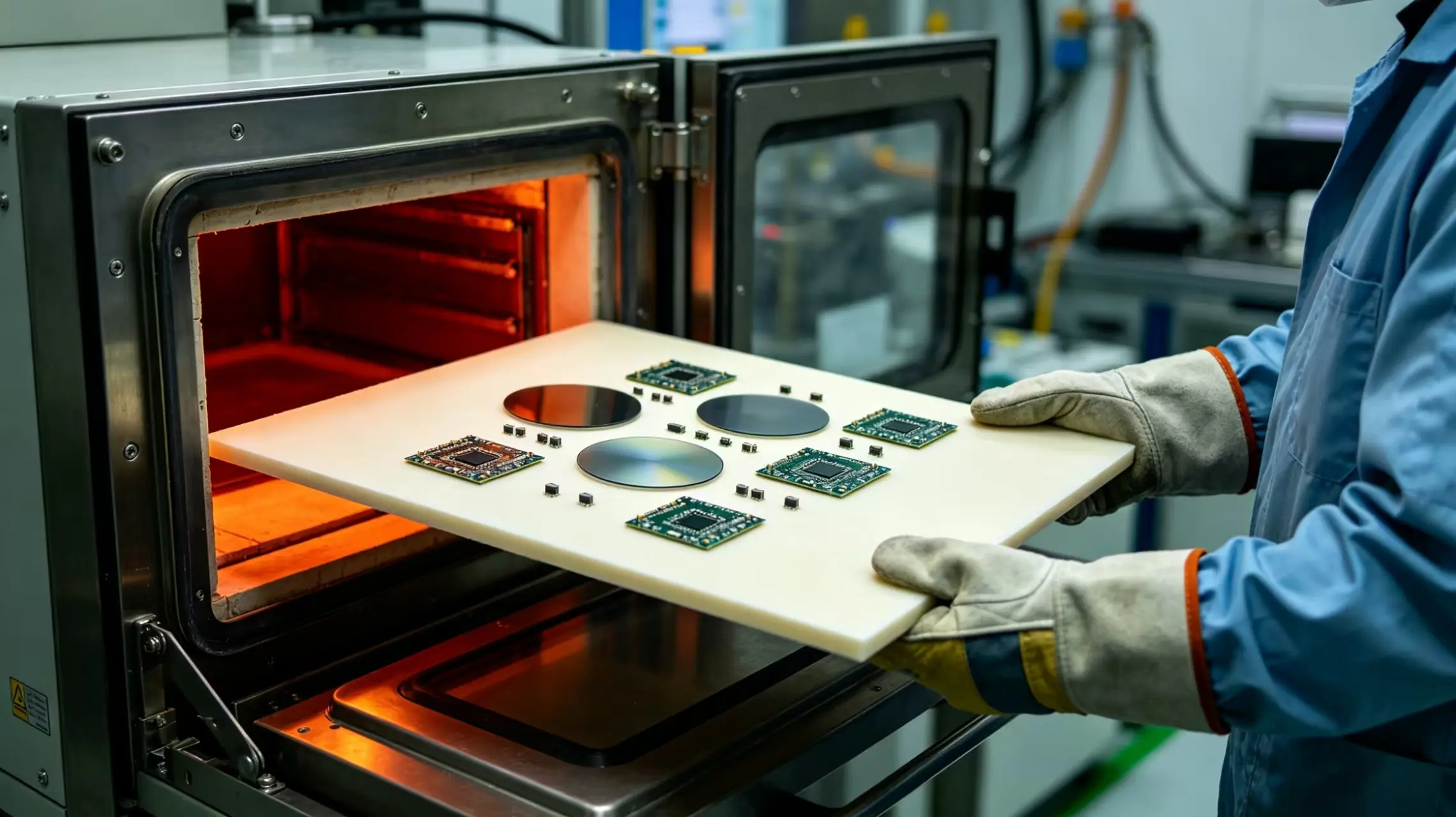
Their core value lies in three major functions for AI hardware. First, advanced thermal management. Modern AI GPUs and HBM stacked memory generate massive heat during continuous model training and inference. Ceramic substrates separate electrical insulation from heat conduction simultaneously, removing hotspots far more effectively than FR-4 PCBs. Second, high-frequency signal transmission. For 800G and 1.6T high-speed optical modules serving AI data center interconnection networks, low dielectric loss of ceramics preserves signal quality at ultra-high bandwidth and cuts transmission distortion. Third, packaging stability for 2.5D and 3D chip integration. Compared with organic substrates, rigid ceramic cores greatly reduce package warpage under repeated thermal cycling, protecting fine-pitch interconnects between compute dies and HBM stacks and lifting assembly yield.
Ceramic substrates run through the whole AI hardware ecosystem. Beyond main computing chips, they are used in high-speed optical communication modules, server power supply units, AI edge inference devices and RF front-end components. As the industry pursues larger compute packages, higher bandwidth and liquid-cooled data center deployment, demand for customized ceramic substrates with precise flatness, controlled thermal performance and miniaturized wiring keeps rising steadily.
Looking ahead, the AI sector will keep driving upgrades to ceramic substrate manufacturing, including finer via patterning,AMB/DPC metallization and multi-layer co-fired structures. For advanced ceramic manufacturers, this opens a long-term growth track. Reliable, consistent ceramic substrates are not merely passive accessories; they provide the critical thermal and mechanical foundation that allows cutting-edge AI chips to run at full rated power reliably around the clock.