
Company News

0102030405
The Evolution of Kiln Furniture in Chinese Porcelain Firing
2026-07-30
The primitive stage of kiln furnitureappeared during the Wei, Jin and Southern and Northern Dynasties, when porcelain firing technology was initially taking shape. At this time, kiln tools were simple and functional, dominated by basic supporting and spacing devices. The most commonly used tools were three-legged spacers, cylindrical supports and tooth-shaped holders, all made of low-grade refractory clay. Ancient potters placed these small tools between stacked porcelain blanks to prevent adhesion during high-temperature sintering. However, this primitive technology had obvious flaws. Direct flame contact with blanks often caused uneven glaze color, ash contamination and surface blemishes. Moreover, the concentrated pressure of small supporting feet usually left prominent scars on porcelain bottoms, greatly limiting the quality and aesthetic grade of early porcelain products. Despite these drawbacks, these rudimentary Kiln Furniture laid the foundation for large-scale stacked firing and improved firing efficiency in early ceramic workshops.
The Sui and Tang Dynasties witnessed a revolutionary breakthrough in kiln furniture technology—the emergence and popularization of saggers, which marked the maturity of traditional Chinese porcelain firing craftsmanship. Saggers are cylindrical or box-shaped refractory clay containers specially designed for holding porcelain blanks. Different from open firing in previous eras, potters placed single or multiple porcelain blanks inside sealed saggers before sending them to the kiln. This innovation isolated blanks from direct flame, smoke and kiln ash, effectively protecting the smoothness and uniformity of porcelain glaze. Meanwhile, the closed sintering environment stabilized the internal temperature, reducing porcelain deformation and color difference caused by drastic temperature fluctuations. In the Tang Dynasty, sagger technology was further optimized, with standardized sizes and diverse shapes adapting to various porcelain wares such as bowls, plates and vases. Coordinated with improved branch supports and strip-shaped spacers, saggers enabled denser stacked firing, greatly boosting production capacity while significantly elevating porcelain quality.
From the Five Dynasties to the Ming and Qing Dynasties, centered on Jingdezhen, kiln furniture entered a stage of refined diversification and material upgrading. In the Five Dynasties and Northern Song Dynasty, craftsmen improved small spacing tools, adopting thinner mud strips and granular spacers to reduce contact areas between tools and blanks, minimizing bottom scars and realizing almost traceless firing for fine porcelain. During the Ming and Qing Dynasties, as high-quality fine porcelain became mainstream, sagger manufacturing materials were continuously optimized. Traditional semi-siliceous clay was gradually replaced by high-purity refractory clay and bauxite-based materials, enhancing high-temperature resistance and structural stability. This material upgrade was closely linked to fuel transformation: the shift from soft pine wood to coal required saggers to resist higher temperatures and corrosive combustion impurities. Diversified specialized kiln furniture emerged in this period, including funnel-shaped saggers for tall wares, ring-shaped supports for flat utensils and multi-layer combined saggers for mass production, forming a complete and systematic traditional kiln furniture system.
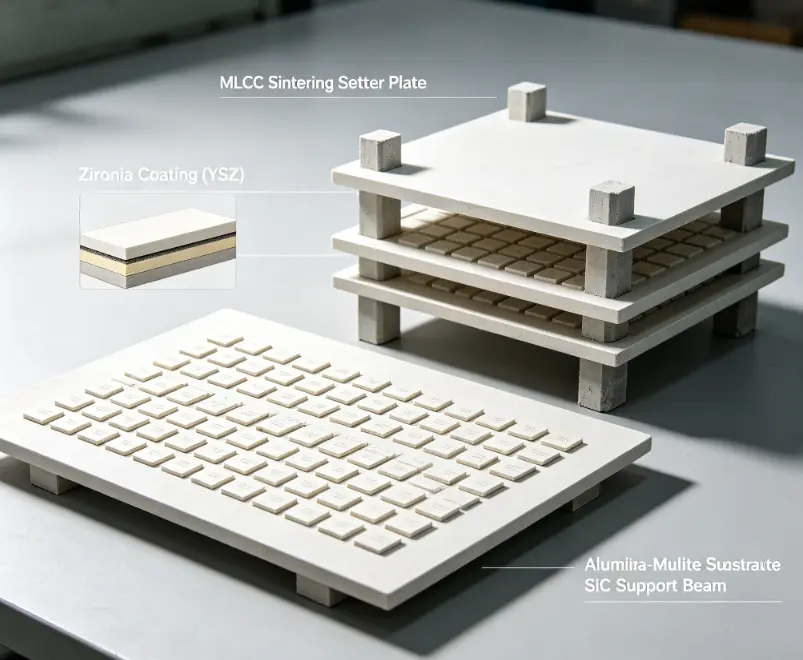
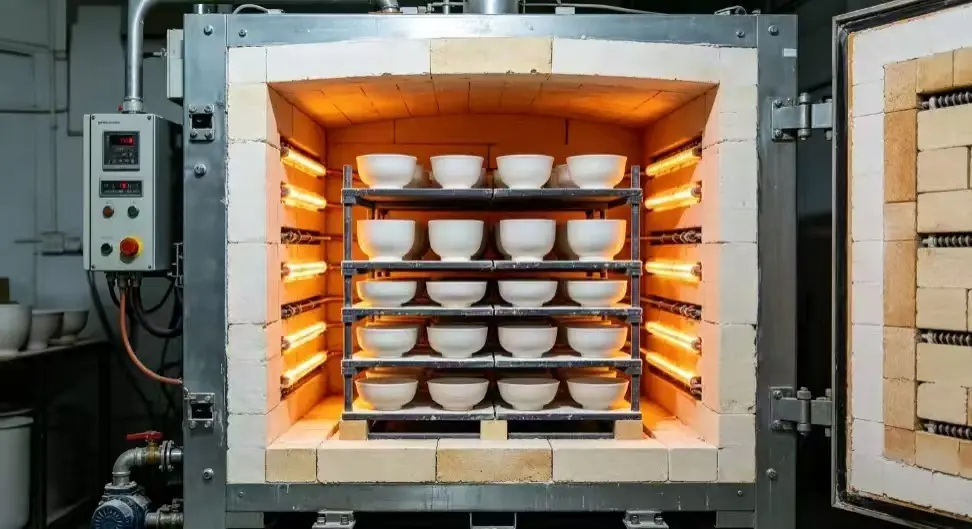
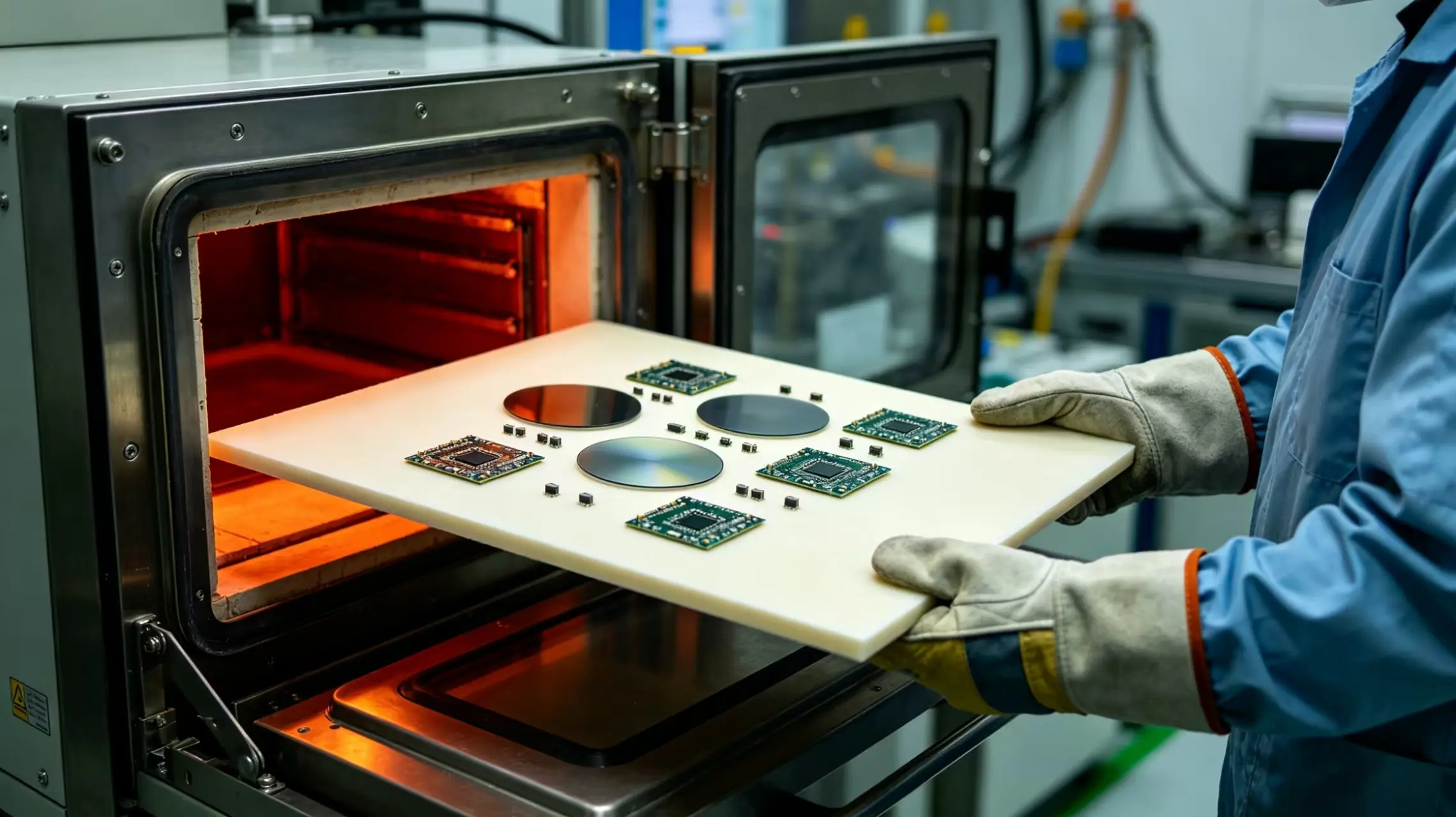
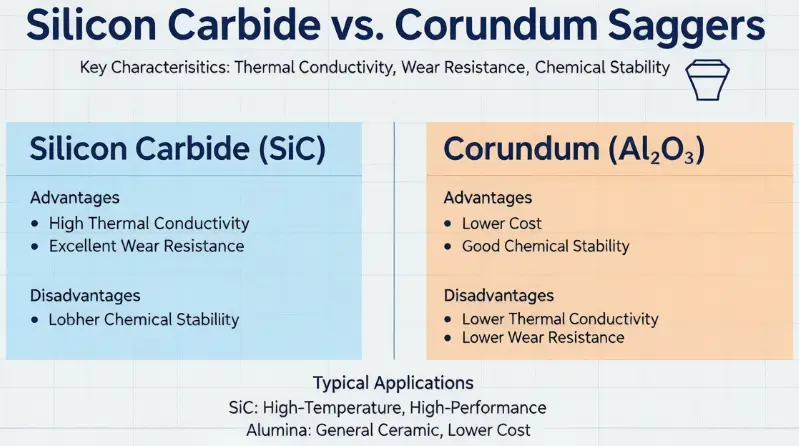
After the 20th century, with industrialization and kiln modernization, traditional kiln furniture ushered in a comprehensive transformation towards modernization and specialization. Traditional clay saggers had inherent limitations such as short service life, heavy weight and low thermal efficiency, which could not adapt to large-scale mechanized kiln production. Since the 1980s, new refractory materials including mullite plates and silicon carbide plates have gradually replaced traditional saggers. These modern kiln furniture features high temperature resistance, light weight, high thermal conductivity and long service life, suitable for continuous production in tunnel kilns and electric kilns. The popularization of open flame bare firing technology further optimized the firing process, eliminating the need for closed saggers and realizing energy-saving, efficient and environmentally friendly porcelain sintering. Meanwhile, standardized and modular modern kiln tools have realized precise temperature control and batch stable production, perfectly adapting to the demands of modern ceramic industry.
In conclusion, the evolution of Chinese porcelain kiln furniture follows a progressive trajectory from primitive simple supports to mature sagger systems and finally to modern high-performance refractory tools. Every technological reform of kiln furniture corresponds to the upgrading of porcelain firing efficiency, product quality and production mode. As the invisible craftsman behind Chinese porcelain, kiln furniture evolution is an integral part of Chinese ceramic civilization, witnessing the continuous progress of traditional craftsmanship and the successful integration of ancient art with modern industrial technology.