



Refractory Materials: The Indispensable Backbone of Industrial Production
What Are Refractory Materials?
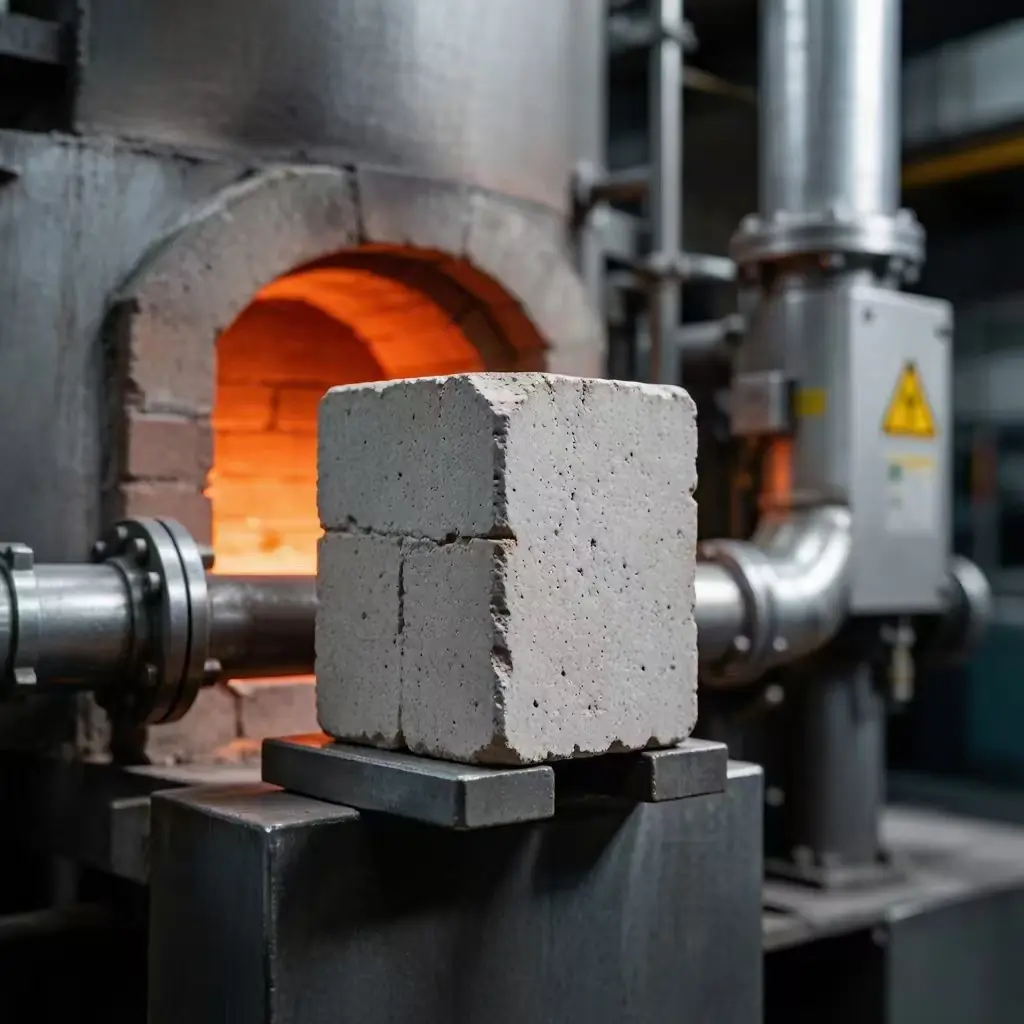
Refractory materials are inorganic, non‑metallic substances capable of withstanding extremely high temperatures—typically above 1,000°C (1,832°F)—without melting, softening excessively, or losing mechanical strength. They also resist thermal shock, chemical corrosion, abrasion, and physical wear under harsh operating conditions. Common types include Fireclay Bricks, high‑alumina bricks, silica bricks, magnesia‑based refractories, carbon‑containing refractories, and advanced ceramic fibers and castables. These materials are engineered to line furnaces, kilns, reactors, ladles, and other thermal equipment where ordinary metals or masonry would fail within minutes.
Why Industry Cannot Function Without Them
1. Enabling High‑Temperature Processes
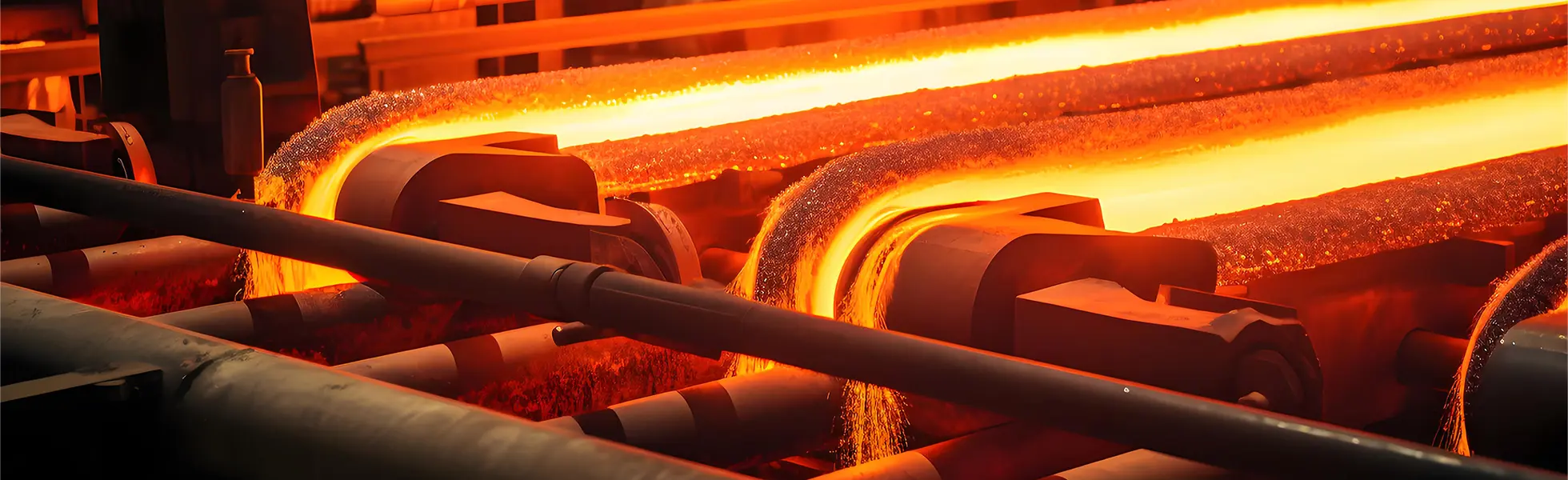
Many core industrial processes fundamentally depend on extreme heat. In steelmaking, blast furnaces operate at around 1,500–1,800°C; basic oxygen furnaces and electric arc furnaces reach similar levels. In non‑ferrous metallurgy, copper, aluminum, and nickel smelting all require sustained high temperatures. Cement production involves heating limestone and clay to approximately 1,450°C in rotary kilns. Glass manufacturing, petrochemical cracking, and incineration likewise rely on stable high‑heat environments. Refractories make these processes feasible by containing heat, resisting molten metal and slag attack, and maintaining structural integrity over long periods.
2. Protecting Equipment and Ensuring Safety
Beyond enabling heat, refractories protect the expensive steel shells and structural components of industrial equipment. A furnace without refractory lining would transfer intense heat directly to its outer structure, causing rapid deformation, catastrophic failure, or even explosions. By acting as a thermal and chemical barrier, refractories prevent accidents, reduce unplanned downtime, and safeguard workers from hazardous exposures. In industries where safety failures can lead to massive financial losses and environmental disasters, this protective function is indispensable.
3. Improving Energy Efficiency
Refractory materials possess low thermal conductivity relative to metals, meaning they minimize heat loss through furnace walls. Modern insulating refractories and ceramic fiber modules further enhance energy efficiency by reducing fuel consumption per unit of output. In an era of rising energy costs and strict carbon emission regulations, this efficiency gain is not optional—it is essential for economic competitiveness and regulatory compliance.
4. Resisting Chemical Attack and Abrasion
Industrial environments are aggressively corrosive. Molten slag, acidic gases, alkaline dust, and liquid metals constantly attack furnace interiors. Refractories are chemically engineered to resist specific agents: magnesia‑chrome bricks withstand basic slags, silica bricks resist acidic environments, and alumina‑silicate refractories balance versatility with cost‑effectiveness. Additionally, refractories resist mechanical wear from raw material movement, gas flows, and thermal cycling, extending equipment life and reducing maintenance frequency.
5. Supporting Diverse Industrial Sectors
The indispensability of refractories spans multiple industries:
-
Metallurgy: Steel, iron, aluminum, copper, and specialty alloys all depend on refractory‑lined furnaces.
-
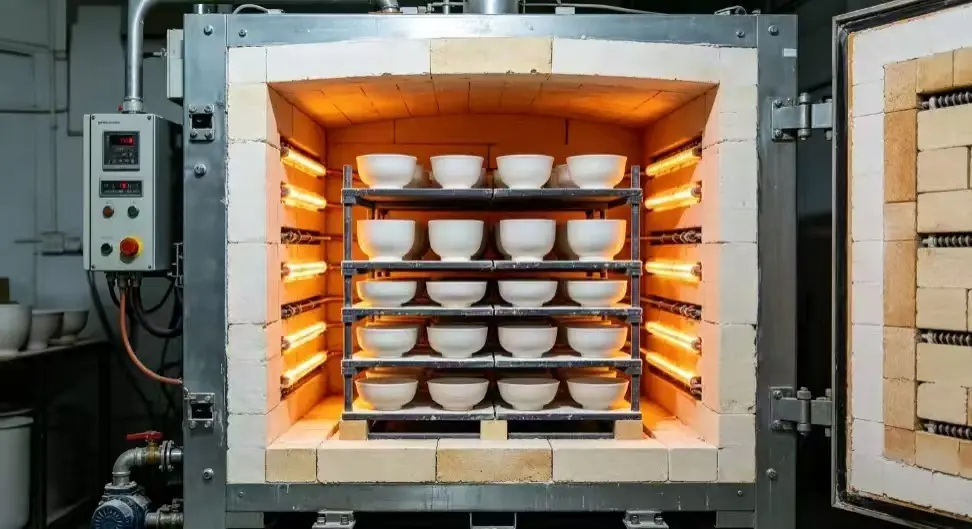
Building Materials: Cement, lime, ceramics, and glass cannot be produced without kiln refractories.
-
Energy: Coal‑fired boilers, gasifiers, nuclear reactors, and waste‑to‑energy plants use advanced refractories.
-
Chemicals & Petrochemicals: Cracking furnaces, reformers, and incinerators require specialized linings.
-
Environmental Technology: Hazardous waste treatment and flue‑gas cleaning systems rely on corrosion‑resistant refractories.
In short, wherever high temperature meets industrial scale, refractories are present.
Economic and Strategic Importance
Refractories also have significant economic implications. Although they account for only a small fraction of total production costs, their performance directly determines equipment lifespan, product quality, and operational continuity. A single refractory failure in a large steel plant can halt production for days, resulting in millions of dollars in losses. Consequently, industries invest heavily in refractory selection, installation, monitoring, and maintenance. Moreover, refractories are strategically important at the national level: countries with strong refractory industries are better positioned to support domestic infrastructure, defense manufacturing, and energy security.
Innovation and Sustainability
Modern refractory technology continues to evolve. Researchers are developing low‑carbon refractories, recyclable materials, and smart refractory systems equipped with sensors to monitor temperature, stress, and wear in real time. These innovations aim to reduce environmental impact, extend service life, and integrate refractories into Industry 4.0 automation strategies. As industries transition toward greener production, refractories will remain central to balancing high‑temperature demands with sustainability goals.