

The Critical Role of Saggers in Lithium-Ion Battery Cathode Material Sintering
Protection Against Contamination
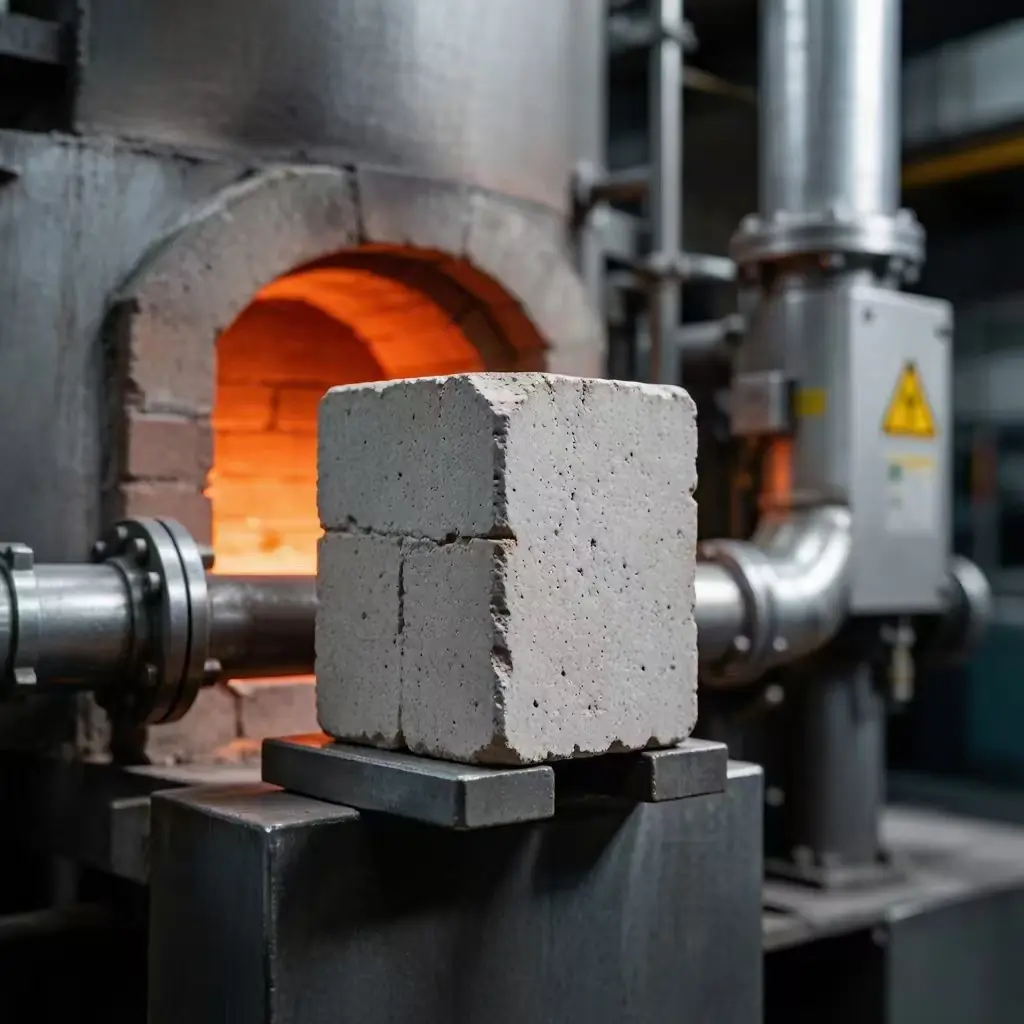
One of the most vital roles of a sagger is preventing metal ion contamination. During sintering, cathode materials are exposed to temperatures ranging from 700°C to over 1,000°C. If the sagger material reacts with the precursor powder, trace amounts of impurities (such as iron, silicon, or sodium) can leach into the cathode. Even minute levels of metallic impurities can degrade the electrochemical performance of the battery, leading to capacity fade and reduced cycle life. Therefore, high-purity saggers—often made from alumina (Al₂O₃), mullite, or zirconia—are essential to maintain the chemical integrity of the cathode material.
Thermal Stability and Resistance to Corrosion
The sintering environment is highly corrosive due to the presence of lithium salts (like lithium carbonate or lithium hydroxide) and oxygen-rich atmospheres. Lithium compounds are volatile at high temperatures and can penetrate porous ceramics, causing grain boundary corrosion and weakening the sagger structure. Advanced saggers are engineered to have high density and low porosity to resist lithium penetration. Materials like cordierite-mullite or high-purity alumina are favored for their excellent thermal shock resistance, preventing cracking during rapid heating and cooling cycles.
Ensuring Uniform Crystal Growth
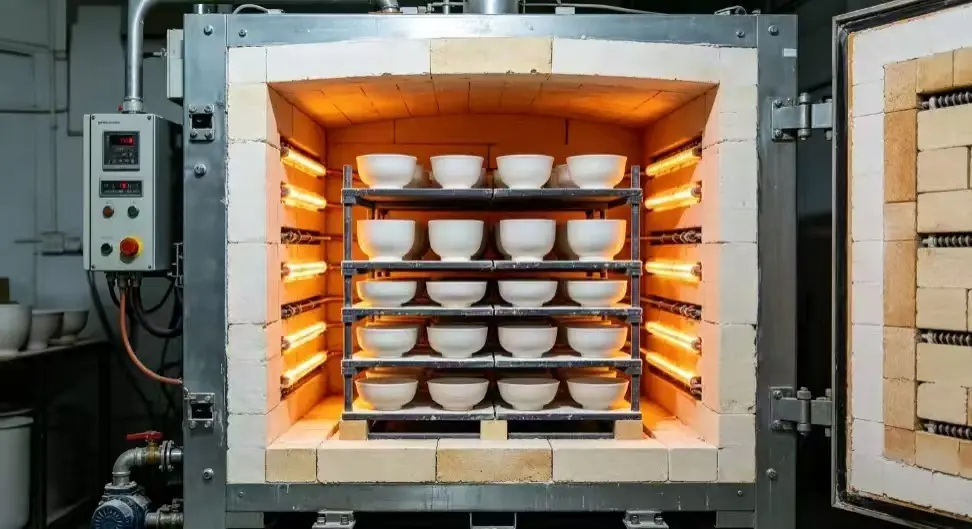
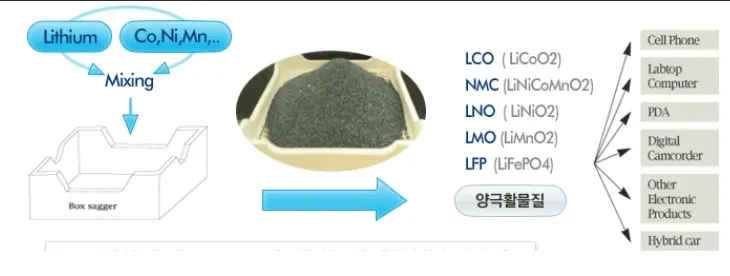
The quality of the cathode material depends heavily on the crystallinity and particle morphology. Saggers influence the thermal profile of the material inside the furnace. A well-designed sagger ensures uniform heat distribution, allowing the precursor powders to react evenly and form the desired layered or olivine crystal structures. Poor heat transfer can lead to inconsistent particle growth, resulting in a final product with varying tap densities and compromised battery performance.
Economic Impact and Sustainability
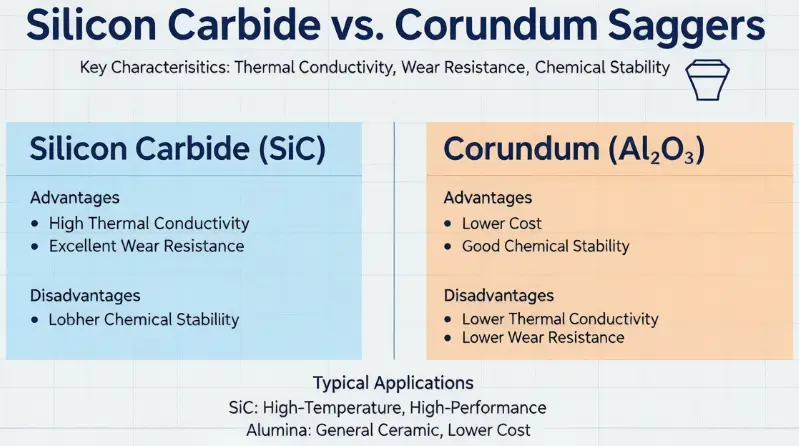
Saggers represent a significant operational cost in battery manufacturing. They are subject to wear and tear, including spalling (surface flaking), cracking, and volume expansion caused by lithium vapor absorption. A short sagger lifespan leads to frequent replacements, increasing production costs and downtime. Consequently, manufacturers are increasingly adopting recrystallized silicon carbide (RSiC) or nitride-bonded silicon carbide saggers, which offer superior strength and longevity compared to traditional alumina-based products. Furthermore, the industry is moving toward reusable and recyclable sagger designs to align with green manufacturing goals.
In summary, saggers are far more than passive containers; they are a critical component in the production of high-performance lithium-ion batteries. By providing a barrier against contamination, resisting chemical corrosion, ensuring thermal uniformity, and offering structural durability, saggers directly influence the purity, efficiency, and cost-effectiveness of cathode material synthesis. As battery technology pushes toward higher energy densities and faster charging, the demand for advanced, high-performance saggers will continue to grow, solidifying their status as an indispensable element of modern battery manufacturing.