
Company News

0102030405
Why Corundum Setter Plates Are Indispensable for Chip Manufacturing
2026-07-23
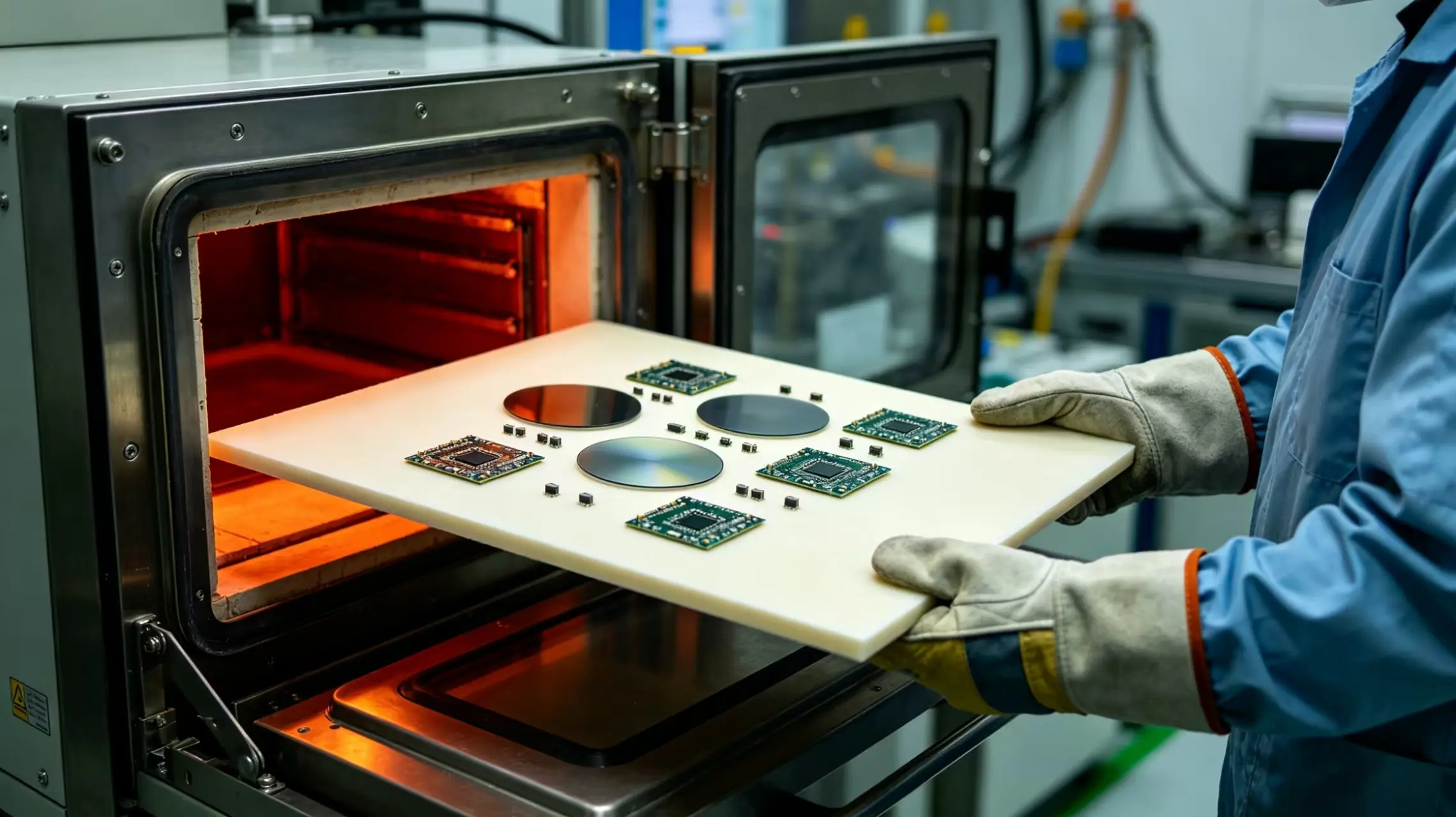
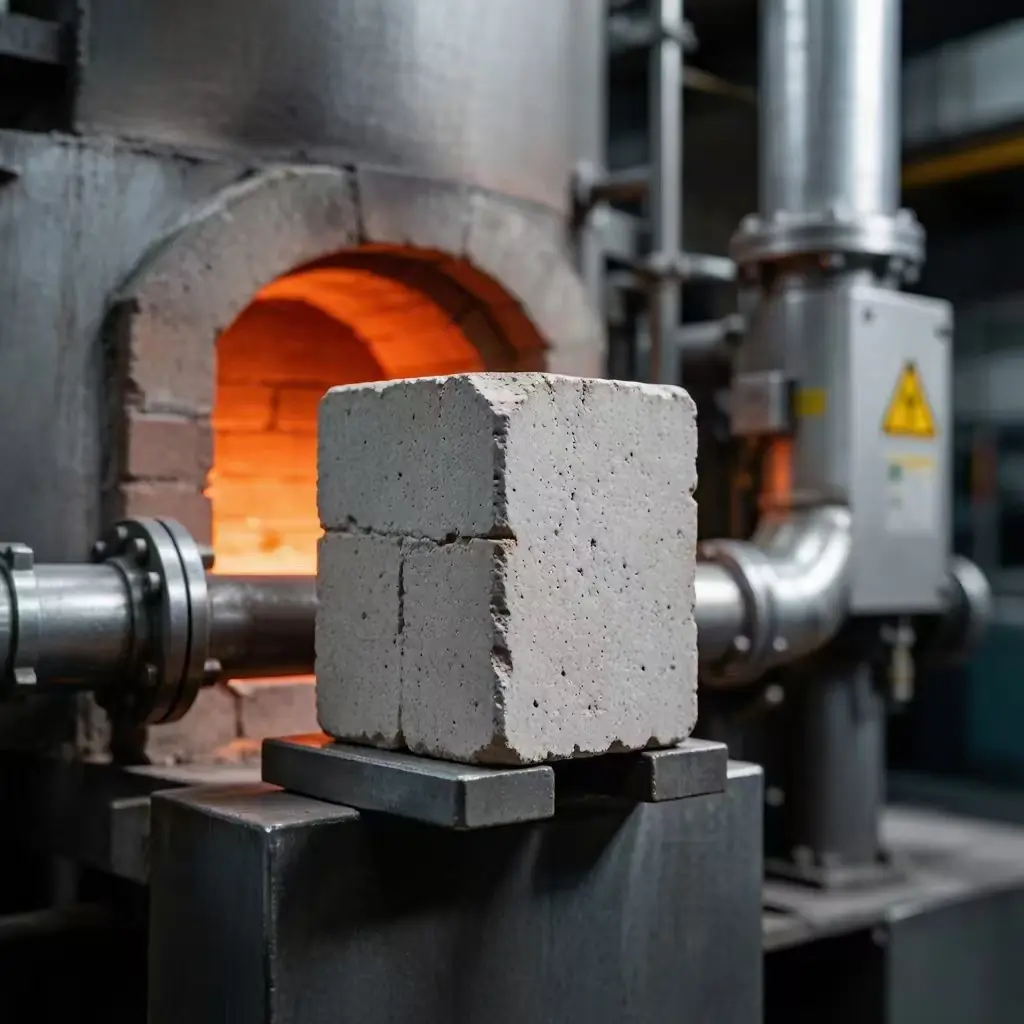
The most fundamental reason for adopting corundum setters is their extraordinary high-temperature stability adapted to chip sintering requirements. Most semiconductor thermal processes operate at 1300℃ to 1650℃, featuring frequent rapid heating and cooling cycles. Ordinary ceramic plates such as cordierite and mullite are prone to thermal deformation, warping, cracking, and structural fatigue under long-term ultra-high temperature operation. In contrast, high-purity corundum, composed of dense alpha-alumina crystal structure, boasts an extremely low thermal expansion coefficient and excellent thermal shock resistance. It maintains complete flatness and structural integrity after hundreds of high-temperature cycling processes, without sagging or peeling. This stable bearing performance ensures that wafers, chip substrates and microelectronic components receive uniform heat distribution, avoiding inconsistent sintering shrinkage and dimensional deviation that cause defective chips.
Ultra-high material purity and zero-contamination performance are another core reason why the semiconductor industry exclusively selects corundum setters. Chip manufacturing belongs to ultra-precision microelectronics production, where even trace alkali metal ions, free particles or chemical impurities can damage chip circuits, cause insulation failure, electric leakage and functional scrapping. High-quality 99%+ purity corundum setters contain extremely low iron, silica and volatile impurities, with a dense non-porous surface that prevents dust shedding and impurity precipitation. They remain chemically inert in oxidizing, reducing and hydrogen furnace atmospheres, and will not react with silicon wafers, metal brazing materials, dielectric coatings and electronic ceramic raw materials. This absolute cleanliness effectively eliminates cross-contamination risks, meeting the strict purity standards of high-end chip manufacturing.
In addition to thermal and chemical advantages, corundum setters provide superior mechanical support and long-term cost-effectiveness for chip mass production. Semiconductor sintering requires flat, rigid and wear-resistant bearing platforms to ensure consistent stress on miniature chips and thin substrates. Corundum ceramic features high bulk density, strong flexural strength and excellent wear resistance, which can stably bear stacked workpieces without deformation or damage. Its durable surface flatness avoids uneven stress points that lead to local sintering defects. Compared with ordinary Kiln Furniture that needs frequent replacement due to cracking and deformation, corundum setters support repeated high-temperature use, greatly reducing consumable replacement frequency, lowering production downtime and overall operating costs for semiconductor production lines.
Stable high-temperature electrical insulation is also a key indispensable advantage for power chip and radio frequency chip manufacturing. Many advanced chip sintering and annealing processes are carried out in high-voltage electric furnace environments. Corundum material maintains ultra-high volume resistivity at extreme temperatures, providing reliable electrical isolation between workpieces and furnace equipment. It effectively prevents electrostatic discharge, arc breakdown and current leakage during thermal processing, ensuring the safety and electrical performance stability of precision electronic components, which cannot be replaced by ordinary refractory materials.
In conclusion, chip manufacturing pursues ultra-precision, ultra-cleanliness and ultra-stability in every production link. High-purity corundum setter plates perfectly match the core technical requirements of semiconductor high-temperature processing, solving industry pain points such as thermal deformation, product contamination, low yield and short consumable service life. As semiconductor technology continues to advance toward miniaturization, high power and high precision, corundum setters have become a standard and essential kiln accessory, providing solid and reliable technical support for stable and high-yield chip production.