
3D Printing in Industrial Ceramic Production: Applications and Characteristics
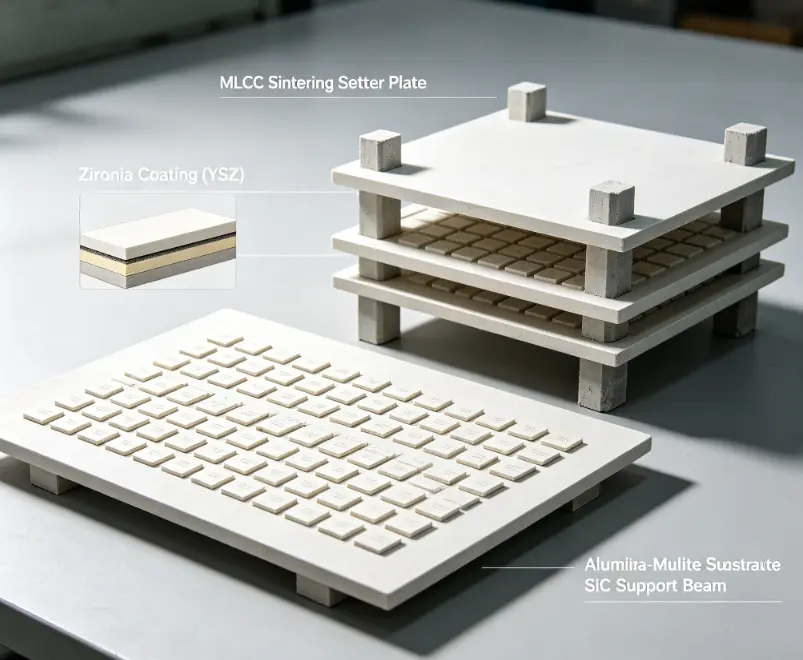
Techniques such as Stereolithography (SLA) and Binder Jetting enable the creation of highly complex, intricate geometries—including internal channels, lattices, and custom textures—that are impossible or prohibitively expensive to produce otherwise. This capability is invaluable across aerospace for lightweight, heat-resistant components; in healthcare for patient-specific bioceramic implants; and in engineering for custom jigs, filters, and catalysts with optimized fluid dynamics. Key characteristics of ceramic AM include exceptional design freedom and rapid prototyping, drastically accelerating development cycles. It is a tool-less process, reducing lead times and costs for low-to-medium batch production. Parts are printed from advanced materials like alumina, zirconia, and silicon carbide, retaining their inherent properties of extreme hardness, thermal stability, and chemical resistance. However, challenges remain, primarily the need for extensive post-processing (debinding and sintering) which can cause shrinkage and requires careful design compensation. While surface finish and mechanical properties may not yet always match those of fully dense, traditionally manufactured ceramics, 3D printing offers an unparalleled advantage for manufacturing complex, customized ceramic components on demand.