
News
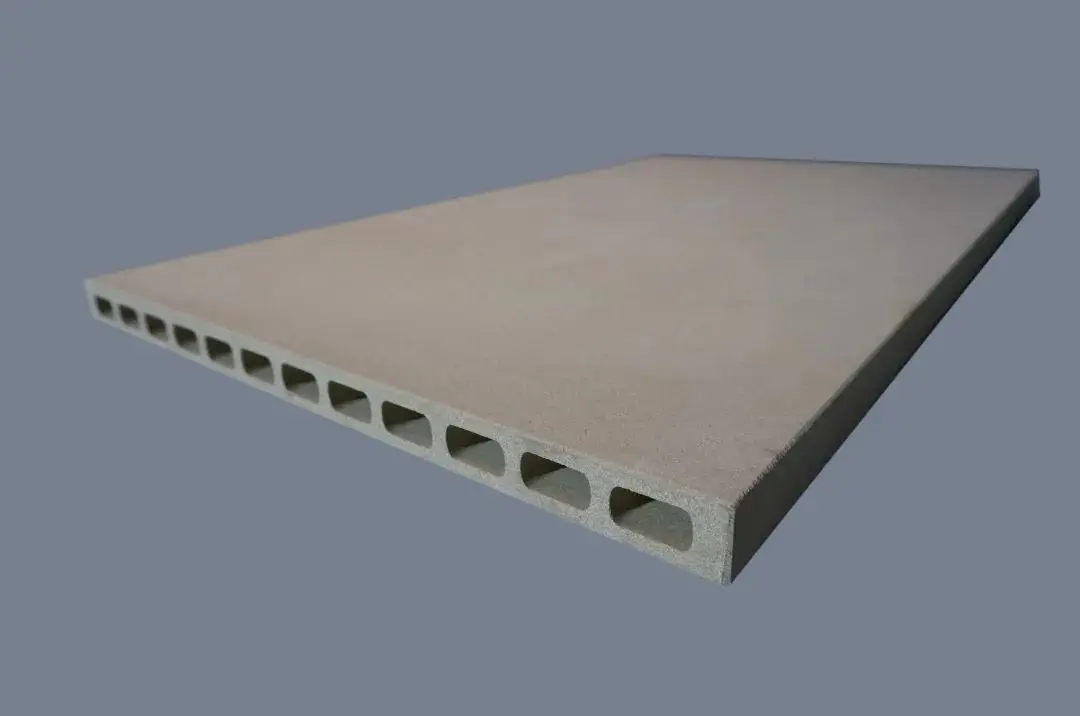
Extruded Cordierite Batts for Sanitary Ceramics in Kiln Applications
Extruded cordierite batts are a critical component in the firing of sanitary ceramics, providing essential support and thermal stability within industrial kilns. These batts are manufactured through an extrusion process, which ensures uniformity in density, dimensional accuracy, and structural integrity, making them highly reliable for high-temperature applications. Cordierite, a magnesium-aluminum-silicate ceramic (2MgO·2Al₂O₃·5SiO₂), is specifically chosen for its exceptional thermal shock resistance, low thermal expansion, and mechanical durability—properties that are indispensable in the demanding environment of sanitaryware production.
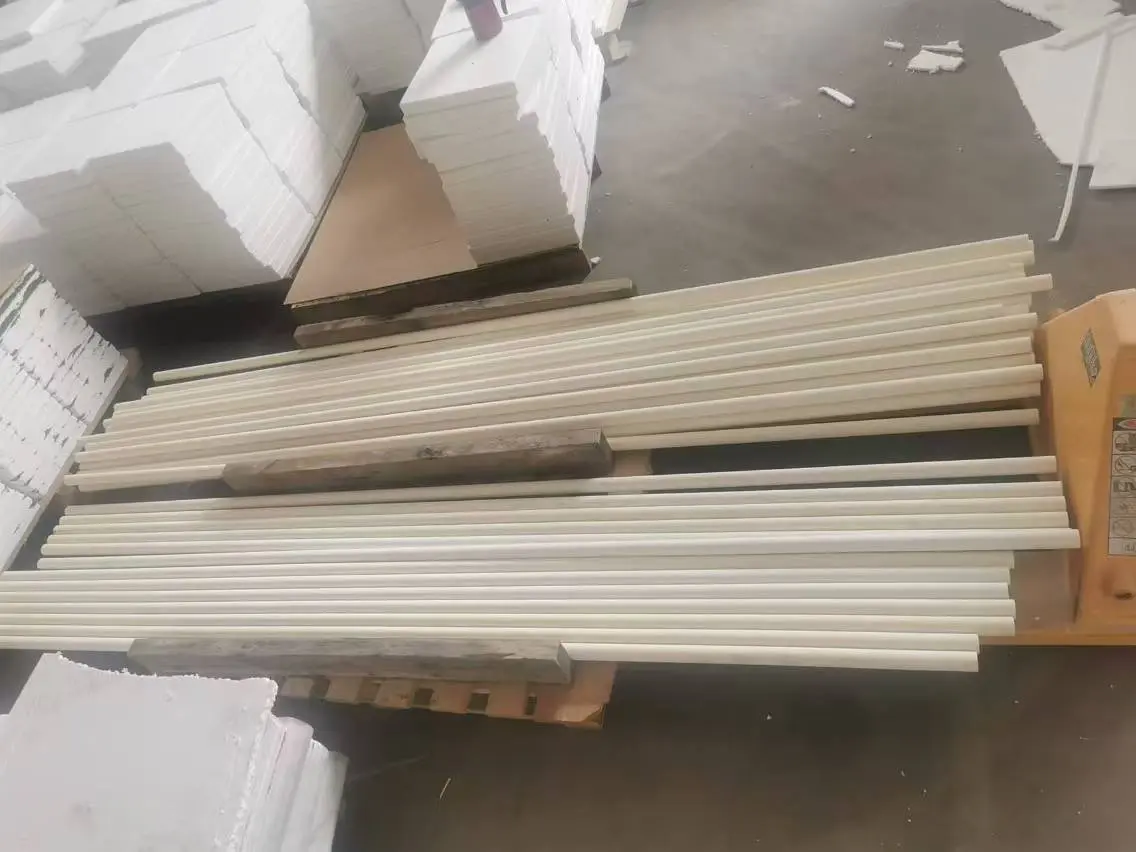
Application of Ceramic Rollers in Roller Hearth Kilns
Ceramic rollers, also known as ceramic roller tubes or ceramic roller bars, play a critical role in the efficient operation of roller hearth kilns, which are widely used in industries such as ceramics, metallurgy, glass, and electronics for high-temperature processing. These rollers are typically made from advanced ceramic materials such as alumina (Al₂O₃), silicon carbide (SiC), or mullite (3Al₂O₃·2SiO₂), chosen for their exceptional thermal stability, mechanical strength, and resistance to wear and corrosion. Their ability to withstand extreme temperatures—often exceeding 1600°C—makes them indispensable in continuous kiln systems where consistent material transport is essential.

Refractory Kiln Furniture in the Ceramic Tableware Firing Process
Refractory Kiln Furniture in the Ceramic Tableware Firing Process
The production of ceramic tableware involves a series of complex steps, with firing being one of the most critical stages. During this process, refractory kiln furniture plays an indispensable role in ensuring the proper sintering of ceramic products. Kiln furniture refers to the supporting structures and components used inside the kiln to hold, separate, and protect ceramic ware during high-temperature firing. These materials must withstand extreme thermal and mechanical stresses while maintaining dimensional stability and chemical inertness. This article explores the types, properties, and functions of refractory kiln furniture in the ceramic tableware firing process
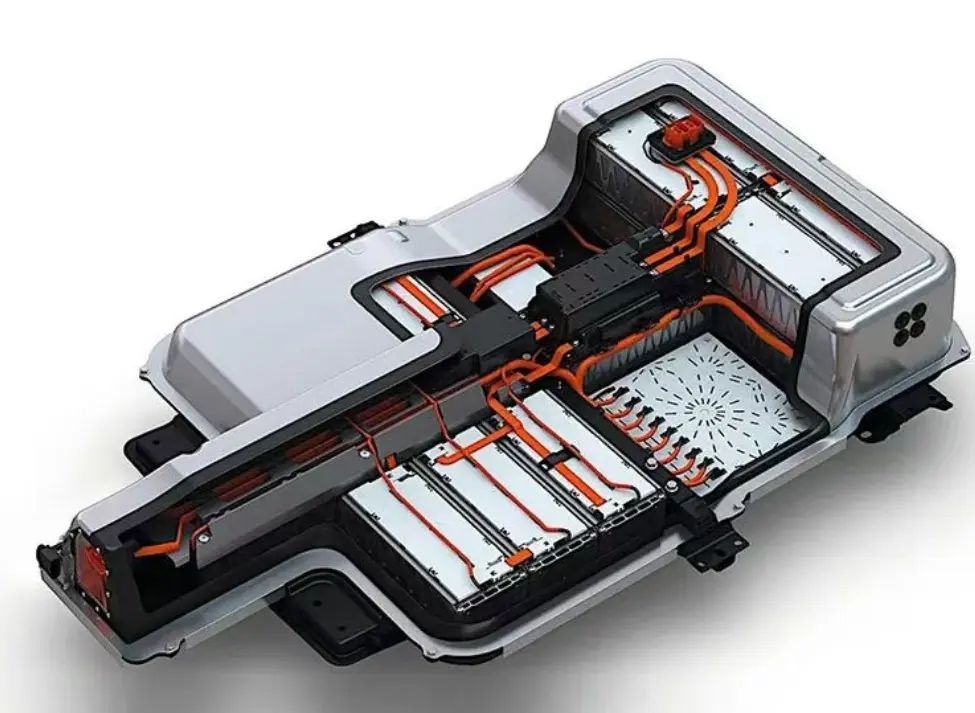
The Production of Advanced Materials for New Energy Batteries
The development of new energy batteries, particularly lithium-ion batteries (LIBs), has revolutionized energy storage systems, enabling advancements in electric vehicles (EVs), renewable energy integration, and portable electronics. Central to these batteries are the electrode materials, electrolytes, and separators, each requiring precise synthesis and optimization for performance, safety, and cost-effectiveness. This article explores the key steps in manufacturing these critical components.
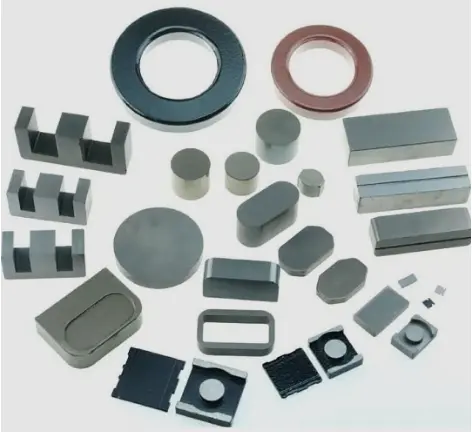
Applications of Magnetic Materials in Modern Industrial Production
Magnetic materials play a vital role in modern industrial production, with extensive applications in energy, electronics, transportation, healthcare, and smart manufacturing. Below are their key applications and future trends:
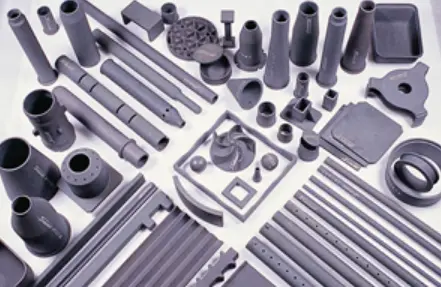
Characteristics and Applications of Recrystallized Silicon Carbide (R-SiC)
Recrystallized Silicon Carbide (R-SiC) is a pure silicon carbide ceramic material produced by high-temperature sintering of SiC powder (without sintering aids), resulting in grain growth and bonding. Its unique manufacturing process and microstructure give it exceptional performance, making it widely applicable in high-temperature, corrosive, and abrasive environments. Below are its key characteristics and applications.

99% Alumina Ceramic Crucibles
Key Features of 99% Alumina Ceramic Crucibles
-
Material & Purity:
-
Made from 99% Al₂O₃ (alumina), with some variants offering 99.7% or 99.8% purity for higher thermal resistance.
-
High-density (3.9–3.98 g/cm³) and hardness (86 HRA), suitable for extreme conditions.
-
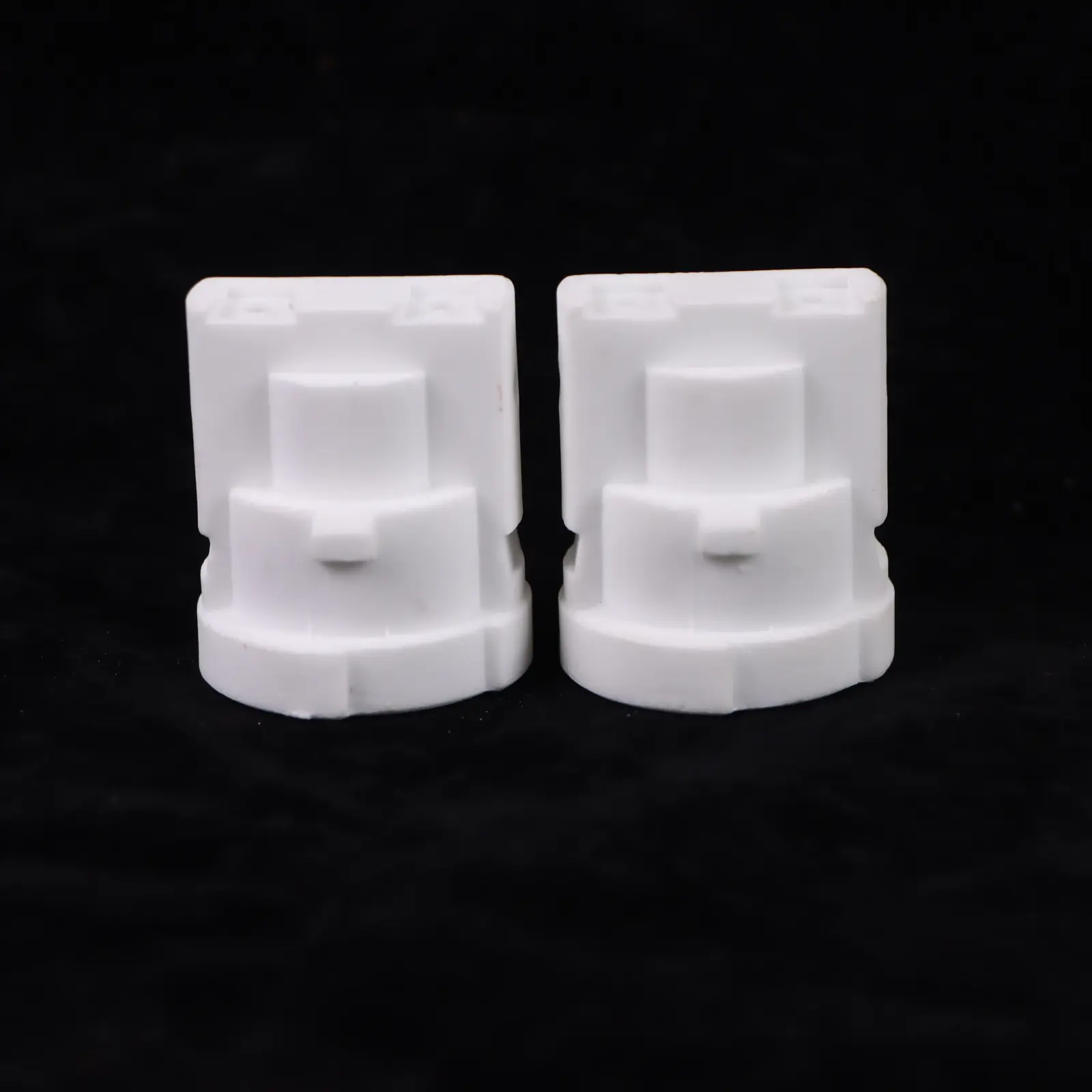
Introduction and application of Steatite Ceramics
Steatite (steatite ceramic) is a magnesium silicate ceramic primarily composed of talc (chemical formula: Mg₃Si₄O₁₀(OH)₂).
Due to the natural abundance of talc, steatite was initially used in household ceramics, particularly high-end tableware. In industrial production, early research in China was conducted by the Zibo Silicate Research Institute, Zibo Porcelain Factory, and Boshan Ceramic Factory, which successfully developed and mass-produced steatite ceramics in 1977.
Today, thanks to its excellent dielectric properties, mechanical strength, thermal resistance, chemical stability, and low cost, steatite ceramics still hold a significant position in various industrial applications.

Boron Nitride Ceramics
I. Properties
Boron Nitride (BN) ceramic is a high-performance non-oxide ceramic, primarily existing in two crystalline forms: hexagonal boron nitride (h-BN) and cubic boron nitride (c-BN). It exhibits the following key characteristics:

Characteristics and Applications of Silicon Nitride Ceramics
Silicon nitride ceramics have emerged as a significant material in various industrial applications due to their unique properties and characteristics. As a non-oxide ceramic, silicon nitride (Si3N4) is known for its exceptional mechanical strength, thermal stability, and resistance to wear and corrosion. This article delves into the characteristics of silicon nitride ceramics and explores their diverse applications across different sectors.