
Advanced Ceramic Materials: Powering the Future of Photovoltaics
1. Enhancing PV Efficiency and Durability
Ceramics address key challenges in PV systems, such as overheating and environmental degradation. For instance, MOF-derived ceramics (e.g., γ-Al₂O₃ embedded in glass matrices) achieve passive radiative cooling by reflecting >98% of solar radiation while emitting 93% of long-wave infrared radiation. This reduces panel temperatures by up to 7.4°C below ambient, boosting PV by 10.46 mA and increasing energy output. Such materials also offer mechanical strength (43 MPa), UV resistance, and recyclability, contributing to global CO₂ reduction efforts.
For structural components, ZTA (zirconia-toughened alumina) ceramics combine zirconia (5–69 wt%) and alumina (21–79 wt%) to achieve high fracture resistance and thermal stability. Patented by Jiageng Special Materials, these ceramics withstand harsh operational conditions, reducing maintenance costs in PV installations. Similarly, 98% alumina insulating ceramics reinforced with carbon nanotubes and silicon nitride provide electrical insulation and crack resistance, critical for protecting PV circuitry.
2. Solar Thermal and Energy Harvesting Applications
Ceramics also excel in solar thermal systems. Black ceramic composite solar panels, using vanadium-titanium black瓷 from industrial waste, achieve a solar absorption rate of 0.95. These panels, sintered at 1200°C, are impermeable, corrosion-resistant, and ideal for building-integrated PV, industrial heating, and desalination. Their low manufacturing energy and longevity (>50 years) make them sustainable alternatives to metal or glass collectors.
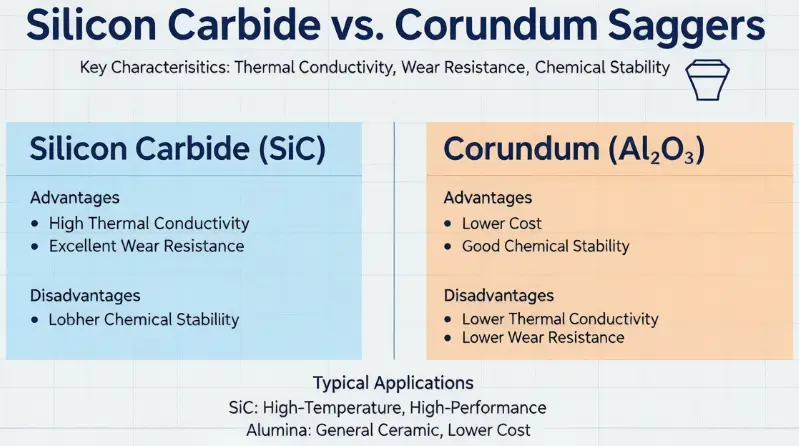
In concentrated solar power (CSP), silicon carbide (SiC) ceramics serve as absorber materials due to their high thermal conductivity and resistance to temperatures exceeding 1200°C. SiC-based absorbers enable efficient heat transfer in tower CSP systems, outperforming alumina and cordierite counterparts.
3. Functional Components in PV Manufacturing
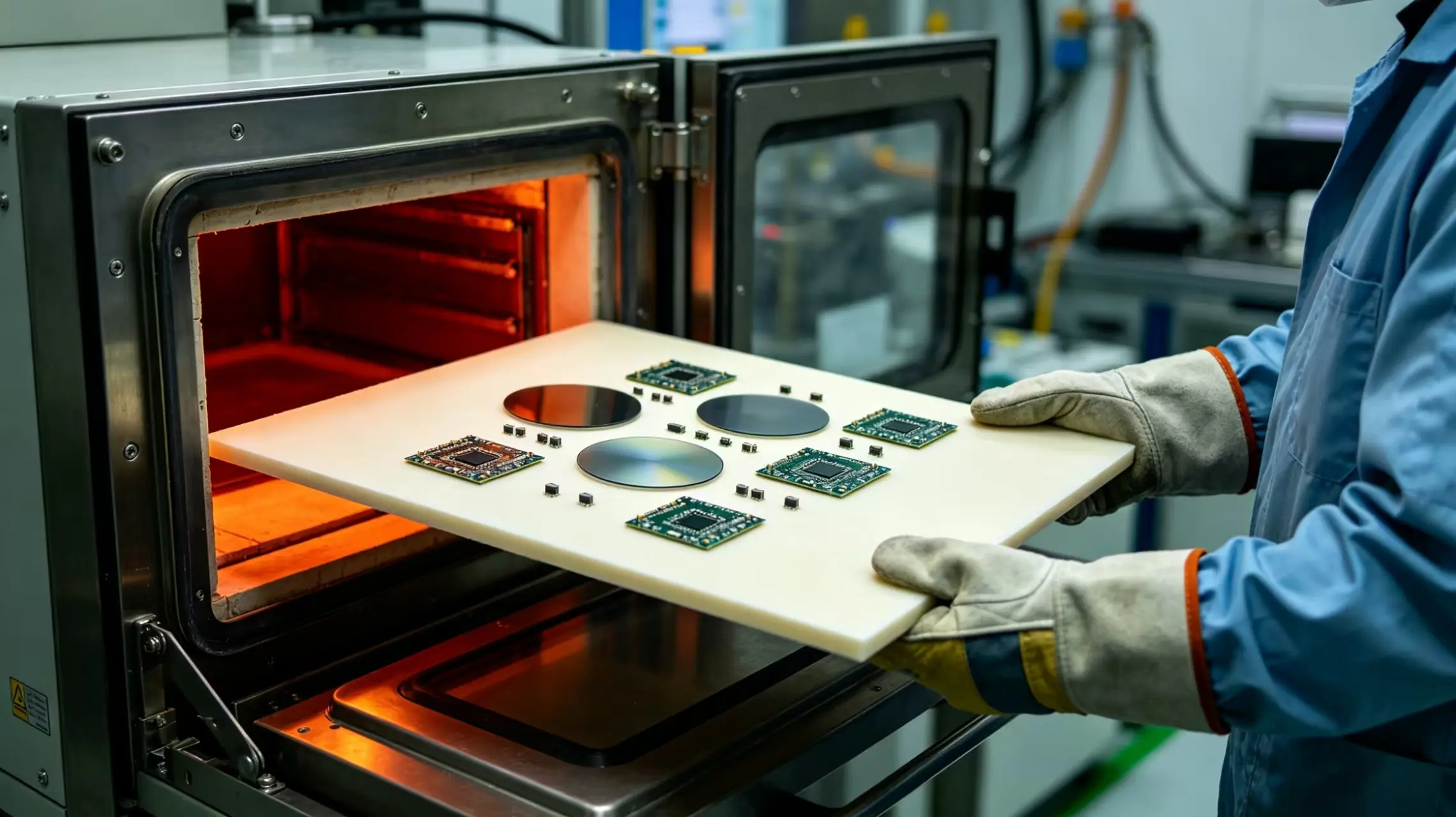
Beyond energy generation, ceramics are vital in PV production. SiC ceramics replace quartz in carrier tools (e.g., boat trays) for wafer processing, offering superior thermal shock resistance and lifespan (>1 year). This reduces downtime and costs in high-purity silicon cell fabrication.
4. Innovative Coatings and Future Prospects
Ceramic-based functional layers further expand applications. PV gain ceramic membranes, formulated with carbon/silicon compounds, protect panels from dust, corrosion, and thermal degradation, maintaining efficiency over time.
Conclusion
Advanced ceramics are pivotal to the PV industry’s evolution—from cooling PV panels and strengthening components to enabling solar thermal harvesting. Their versatility, coupled with sustainable production methods (e.g., using industrial waste), positions them as cornerstone materials for achieving global renewable energy targets. As research progresses, ceramics will continue to unlock new frontiers in solar technology.