

Alumina ceramic's application in Automotive
Alumina ceramic is a quintessential engineering material, prized for its exceptional combination of properties. Its most notable characteristics include extreme hardness, outstanding wear resistance, high mechanical strength at elevated temperatures, excellent electrical insulation, and superb corrosion resistance. It is also biocompatible and exhibits good thermal stability, though its thermal shock resistance is lower than some other advanced ceramics like silicon nitride. By tailoring its purity (ranging from 96% to 99.9%+) and microstructure through advanced sintering techniques, manufacturers can optimize these properties for specific automotive tasks, making it an incredibly versatile solution.
Key Applications in Conventional and Electric Vehicles
The utilization of alumina ceramic spans across powertrain, safety, and sensor systems, proving its versatility and critical nature.
1. Powertrain and Engine Components
Even as the industry shifts towards electrification, internal combustion engines (ICEs) continue to benefit from alumina's properties.
-
Spark Plug Insulators: This is one of the most traditional and widespread uses of alumina. The central insulator of a spark plug must withstand repeated voltage surges of thousands of volts at high temperatures while resisting chemical corrosion from fuel gases. Alumina's high dielectric strength and thermal resistance make it the perfect material for this demanding role, ensuring reliable ignition and engine performance.
-
Water Pump Seals: Modern automotive water pumps rely on mechanical face seals to prevent coolant leakage. These seals comprise a stationary and a rotating ring. By making one of these rings from high-purity alumina, engineers achieve a seal face that is exceptionally hard, wear-resistant, and chemically inert against coolants and additives, significantly extending the pump's service life.
2. Sensors and Electronics
The modern car is a network of sophisticated electronics, and alumina is fundamental to its functionality.
-
Oxygen/Lambda Sensors: Mounted in the exhaust system, these sensors monitor the oxygen content in exhaust gases to optimize the air-fuel ratio for the catalytic converter. The sensing element is housed within a protective shell, often made of alumina. This shell must be gas-tight, mechanically robust to withstand vibration, and resistant to thermal shock and corrosive exhaust gases.
-
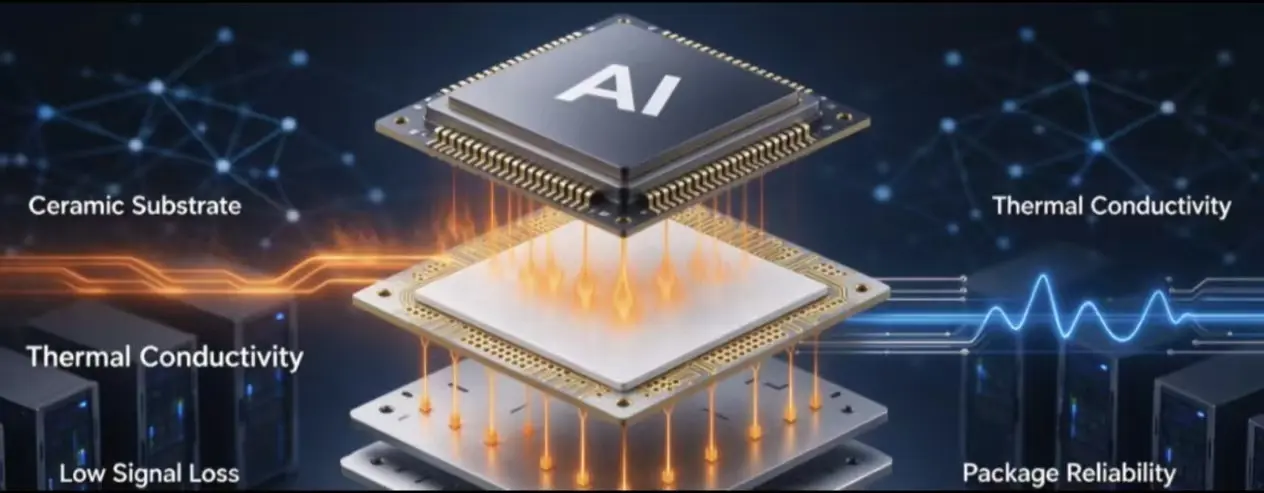
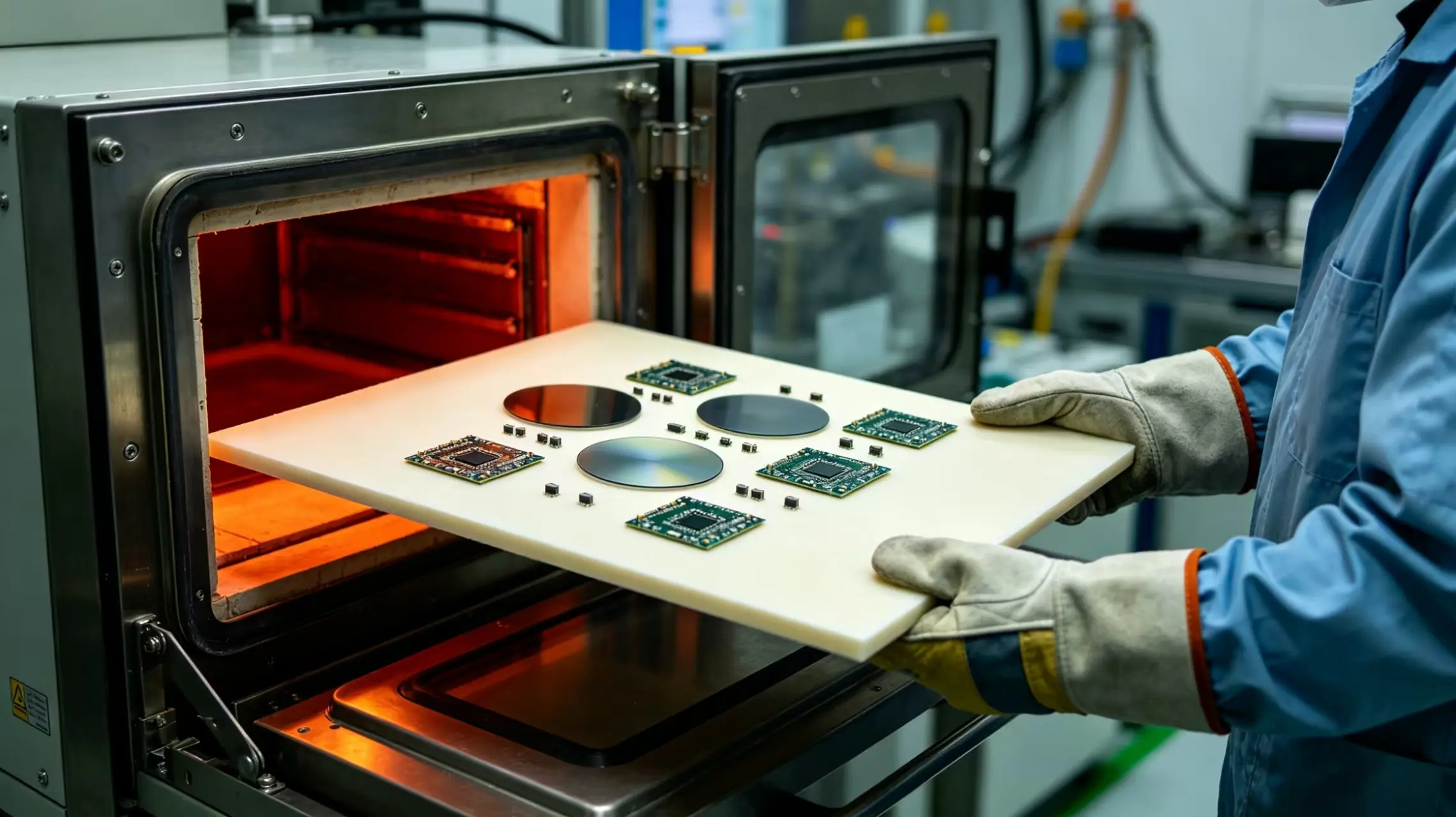
Substrates for Electronic Control Units (ECUs): Alumina's electrical insulation properties make it an ideal material for circuit substrates and packages in critical ECUs. It provides a stable, non-conductive, and thermally conductive base that protects sensitive semiconductor chips from short circuits and environmental damage.
-
Battery Management Systems (BMS) in EVs: In electric vehicles, Alumina Ceramic Components are used as insulating substrates and spacers within the battery pack and BMS. They provide crucial electrical isolation between high-voltage components, preventing short circuits and enhancing the safety and reliability of the high-voltage system.
3. Wear-Resistant and Protective Components
Alumina's legendary hardness is leveraged in applications where wear is a primary failure mode.
-
Tappet Inserts and Valve Seats: In high-performance engines, alumina ceramic inserts are used in valve trains. Their extreme hardness and low friction coefficient reduce wear on camshafts and valves, leading to improved longevity, reduced maintenance, and the potential for higher engine speeds.
-
Wire Drawing Cones: In the manufacturing of automotive wiring harnesses, copper and aluminum wires are drawn through dies to achieve the desired diameter. Alumina cones and guides are used in this process because of their exceptional resistance to abrasion from the metal wires, ensuring a smooth surface finish and long tool life.
4. New Frontiers in Electrification and Lightweighting
The rise of electric vehicles (EVs) has opened new avenues for alumina ceramics.
-
Heating Elements for HVAC: EVs cannot rely on engine waste heat for cabin warming. High-efficiency ceramic positive temperature coefficient (PTC) heaters, often using alumina as an insulating carrier, provide rapid and reliable heat for the cabin and for battery thermal management in cold weather.
-
Semiconductor Power Modules: The inverters and DC-DC converters that control an EV's motor and power distribution handle immense electrical currents and generate significant heat. Alumina is widely used as an insulating substrate in the power modules for these systems, providing electrical isolation while efficiently transferring heat to the cooling system.
Advantages and Future Outlook
The primary advantages of integrating alumina ceramic into automotive design are clear: enhanced component durability, improved system reliability, higher operational efficiency, and reduced long-term maintenance. By enabling components to operate in harsher environments with less degradation, alumina contributes directly to vehicle longevity and performance.
Looking ahead, the role of alumina is set to expand. As EV batteries push for faster charging, alumina's excellent electrical insulation will be vital in managing higher voltages. Furthermore, ongoing research into composite materials and advanced manufacturing techniques like additive manufacturing (3D printing) of ceramics promises to create more complex, lightweight, and integrated alumina components. While challenges such as brittleness and cost remain, its unparalleled property suite ensures that alumina ceramic will continue to be a fundamental material, quietly and reliably powering the evolution of the automobile for decades to come.