
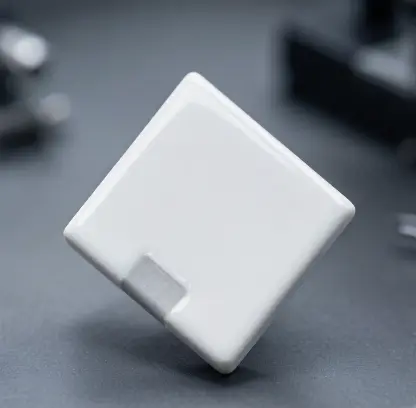
Alumina Ceramic Substrates: A Premium Material for Smartphone Backplates
Material Properties and Advantages
Alumina ceramic offers a compelling set of characteristics that make it suitable for mobile phone backplates:
-
Excellent Mechanical Strength and Hardness: Alumina ceramics are known for their high hardness and good mechanical strength. This translates to a backplate that is highly resistant to scratches and abrasion from daily use, helping to maintain a pristine appearance over time. Its resistance to wear is superior to that of glass, which can be easily scratched by sand particles.
-
Superior Electrical Insulation and Signal Transparency: A critical advantage of alumina, especially in the era of 5G and wireless charging, is its nature as an electrical insulator. Unlike metal backplates, which can shield signals, alumina is transparent to electromagnetic signals. This property ensures robust signal reception for cellular, Wi-Fi, Bluetooth, and GPS, and it does not interfere with wireless charging technology, allowing for a fully sealed, unibody design without the need for unsightly antenna lines.
-
Good Thermal Management: While not the highest among advanced ceramics, alumina possesses a reasonable thermal conductivity (e.g., 26 W/m.K for a 96% purity grade) . This helps in dissipating heat generated by the phone's internal components, such as the processor and battery, contributing to more stable performance and a cooler user experience. It is recognized as a good conductor of heat despite being an electrical insulator.
-
Pleasant Aesthetics and Haptics: Ceramic backplates, including those made from alumina, provide a unique lustrous surface, a solid feel, and a premium tactile experience that is distinct from both cold metal and slippery glass. The material can be processed to achieve various surface finishes, such as glossy, matte, or with textured patterns .
-
Chemical Stability and Skin-Friendliness: Alumina is chemically inert and highly stable. It does not corrode and is resistant to common solvents. Furthermore, it is hypoallergenic and comfortable to the touch, making it an excellent material for prolonged skin contact.
Manufacturing and Processing Considerations
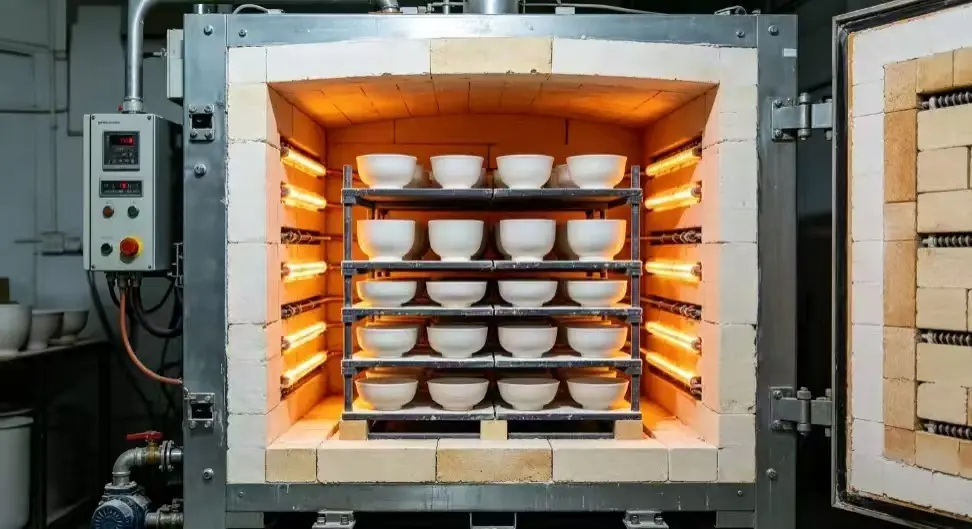
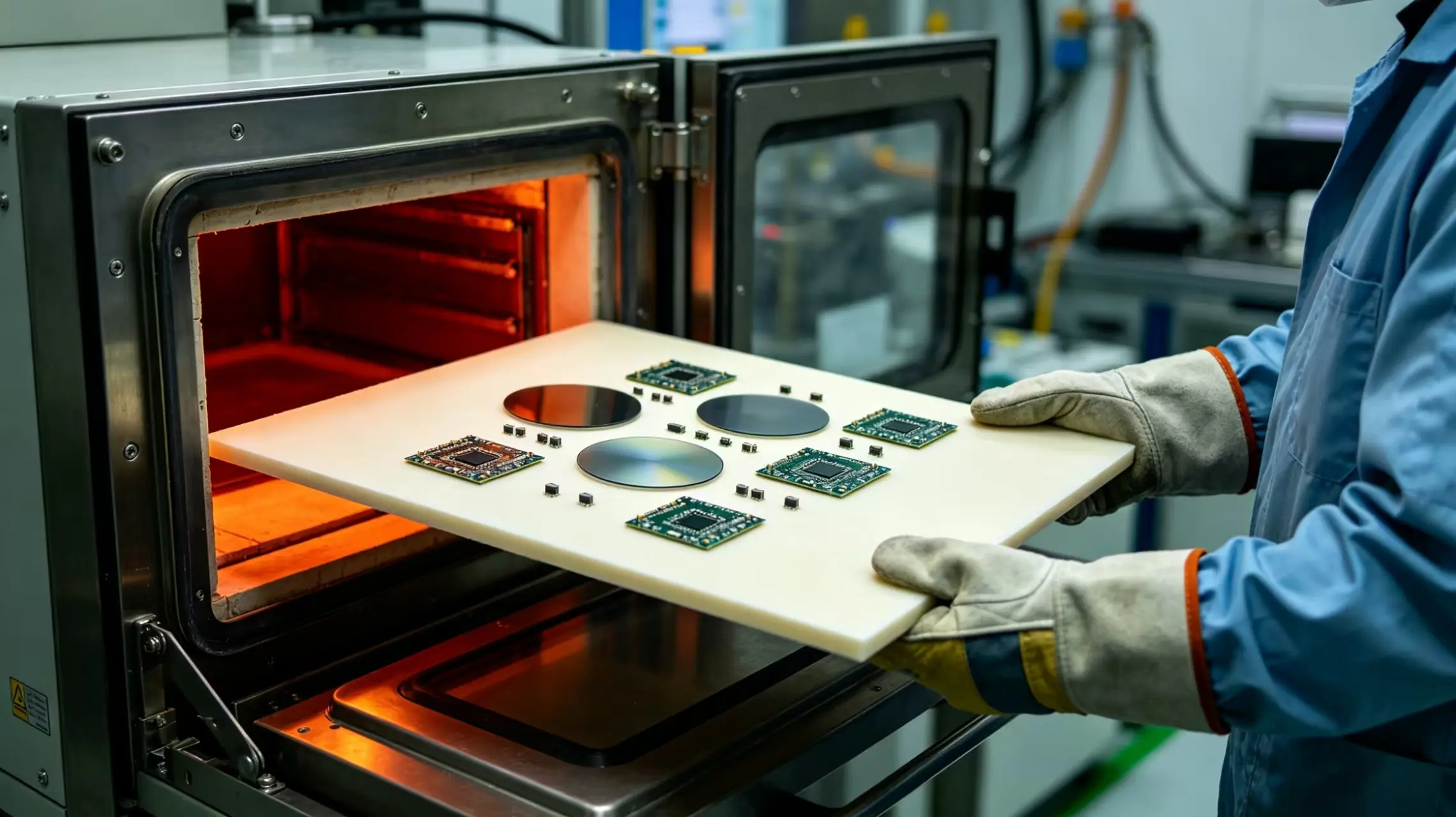
The production of alumina smartphone backplates typically involves a process called tape casting (or doctor blading) . This method forms thin, flat sheets of ceramic from a slurry of alumina powder, binders, and plasticizers. These "green" tapes are then machined to the desired shape and subjected to a high-temperature sintering process, which densifies the material into a hard, solid ceramic . For higher dimensional accuracy, particularly for features like camera holes and connectors, laser processing can be employed after sintering to achieve precision within ±0.05mm . Furthermore, advanced manufacturing methods are being developed to create high-strength, mirror-surface alumina suitable for integrated phone housings, which can reduce reliance on extensive CNC milling and improve production efficiency.
Comparison with Other Ceramics and Materials
Within the family of fine ceramics used in smartphones, alumina is often compared to zirconia (ZrO₂). Nanoscale composite zirconia is also a popular choice for mobile phone and watch backplates. Zirconia generally offers higher fracture toughness and bend strength compared to alumina, making it exceptionally resistant to chipping and breaking from impacts. However, alumina often retains a cost advantage due to its more established and simpler production process. When compared to the widespread glass backplates, alumina ceramics provide better overall mechanical properties, though their adoption can be limited by challenges in achieving very large, thin, and complex shapes with high yield .
Challenges and Future Outlook
Despite its advantages, the use of alumina in smartphone backplates faces some hurdles. The primary constraints are the inherent brittleness of ceramic materials, which can make them prone to cracking under a sharp, high-impact force, and the higher manufacturing cost compared to glass. The processing, especially sintering, can also be more challenging and energy-intensive.