
Company News
0102030405
Alumina Ceramic: The Invisible Backbone of Modern Smartphone Manufacturing
2026-05-28
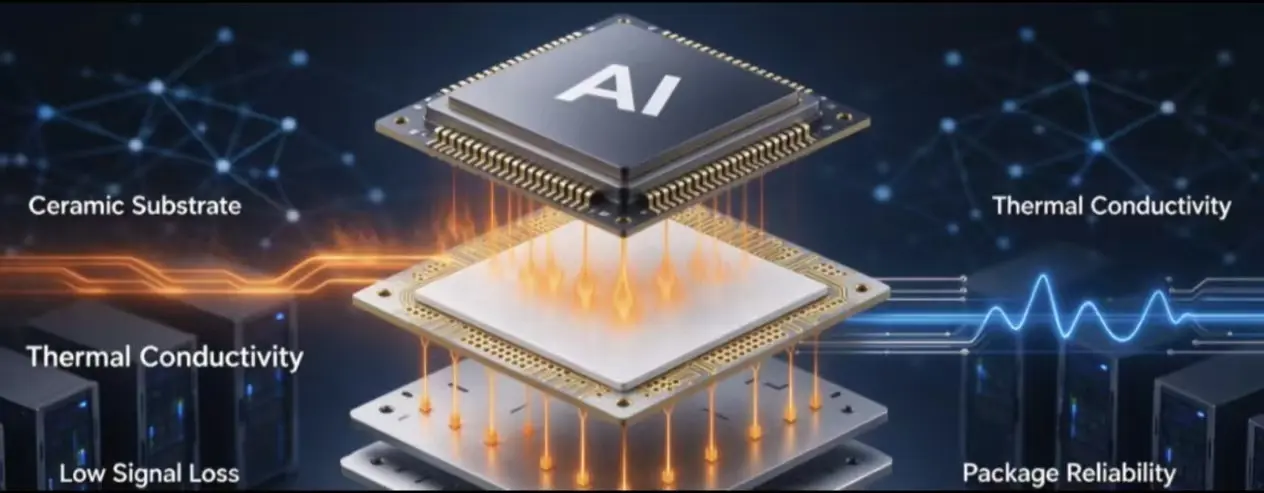
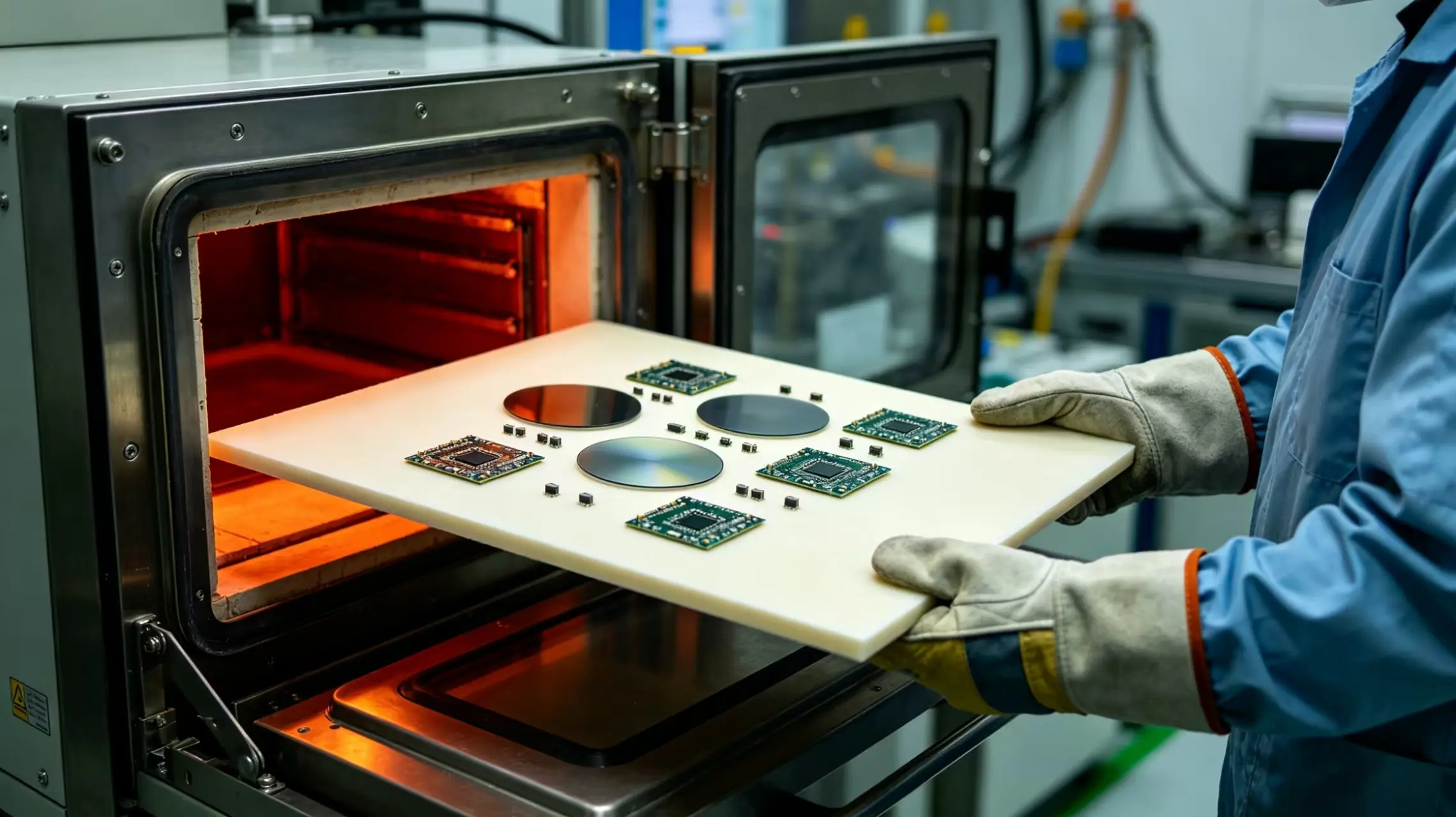
One of the most vital roles of alumina ceramic lies in thermal management and electronic packaging. As smartphones pack increasingly powerful 5G chips and high-resolution cameras into compact bodies, heat dissipation becomes a paramount challenge. Alumina ceramic substrates act as the foundational base for various electronic components, such as ceramic inductors found on the motherboard—a single phone may contain over a hundred of these tiny but crucial parts. With a high thermal conductivity (often ranging between 20-25 W/(m·K) for standard 95% or 96% alumina), these substrates efficiently draw heat away from sensitive circuits. Furthermore, their exceptional electrical insulation prevents short circuits even under high voltage, ensuring the device operates stably during intensive tasks like 4K video recording or high-speed gaming.
Beyond internal components, alumina ceramic plays a transformative role in the structural evolution of smartphones, particularly with the rise of foldable devices. Traditional materials often struggle to balance thinness with durability. However, advanced alumina ceramic fibers are now being utilized in the backplates of high-end foldable phones. These fibers, which are thinner than a human hair yet possess an incredibly high elastic modulus (200-400 GPa), provide a "tough core" that resists deformation. This allows the device to withstand the mechanical stress of being folded and unfolded dozens of times a day without developing deep creases or warping. Additionally, the material's low thermal expansion coefficient ensures that the phone's精密 internal structure remains perfectly aligned, preventing operational lag or component damage over years of use.
Perhaps one of the most significant advantages of alumina ceramic in the 5G era is its excellent wave-transmission properties. Unlike metal casings, which can block or interfere with wireless signals, high-purity alumina ceramic is electromagnetically transparent. It acts as a "signal-friendly" material that does not shield 5G, Wi-Fi, or GPS transmissions. This characteristic is crucial for maintaining stable high-speed connections and ensuring that sensors, such as those used for fingerprint recognition or imaging, function without interference. Whether it is a ceramic backplate or an internal antenna bracket, the material guarantees that the user experiences seamless connectivity and clear audio-visual output.
Finally, the extreme hardness and wear resistance of alumina ceramic (ranking 9.0 on the Mohs scale) make it an ideal candidate for protecting the most vulnerable parts of a smartphone. Its superior durability compared to glass or metal means it is highly resistant to scratches from daily wear and tear. This resilience extends the overall lifespan of the device, protecting the intricate technology housed within.
In summary, alumina ceramic is far more than just a decorative element; it is a cornerstone of modern mobile technology. From acting as a heat-dissipating base for microchips to enabling the flexible form factors of the future and ensuring unhindered 5G connectivity, this advanced material empowers engineers to overcome the physical limitations of traditional components. As smartphones continue to evolve, alumina ceramic will undoubtedly remain at the forefront of innovation, silently supporting the powerful devices we rely on every day.