


Alumina Hollow Ball Bricks: Revolutionizing High-Temperature Industrial Furnaces
Manufacturing and Key Characteristics
The manufacturing process begins with melting high-purity alumina in an electric arc furnace at temperatures exceeding 2000°C. A stream of this molten alumina is then blasted with high-pressure air or gas, dispersing and cooling the material simultaneously to form fine, hollow spheres. These spheres are sorted by size, mixed with a binding agent like fine alumina powder, pressed into brick shapes, and fired at high temperatures up to 1750°C to develop a strong ceramic bond.
This process results in a material with a distinctive set of properties:
-
Exceptional Thermal Insulation and Low Thermal Conductivity: The hollow sphere structure traps air, a poor heat conductor, creating an effective thermal barrier. This leads to significant energy efficiency, with thermal conductivity typically ranging from 0.7 to 1.0 W/(m·K) at 800°C.
-
High Service Temperature: These bricks can withstand extreme temperatures, with a maximum application temperature of up to 1800°C.
-
Low Volume Density and High Mechanical Strength: They are remarkably lightweight, with a bulk density of 1.1 to 1.5 g/cm³, which is about half that of conventional dense firebricks. Despite this, their mechanical strength is several times that of standard lightweight insulating products.
-
Excellent Thermal Stability and Reheating Linear Change: They exhibit outstanding resistance to thermal shock, allowing them to endure rapid heating and cooling cycles. The reheating linear change is typically ≤ ±0.3%, ensuring dimensional stability over long-term use.
-
Superior Chemical Stability: They demonstrate high resistance to corrosion in various atmospheres, though they are less suitable for areas in direct contact with molten slag.
Applications in Industrial Furnaces and Kilns
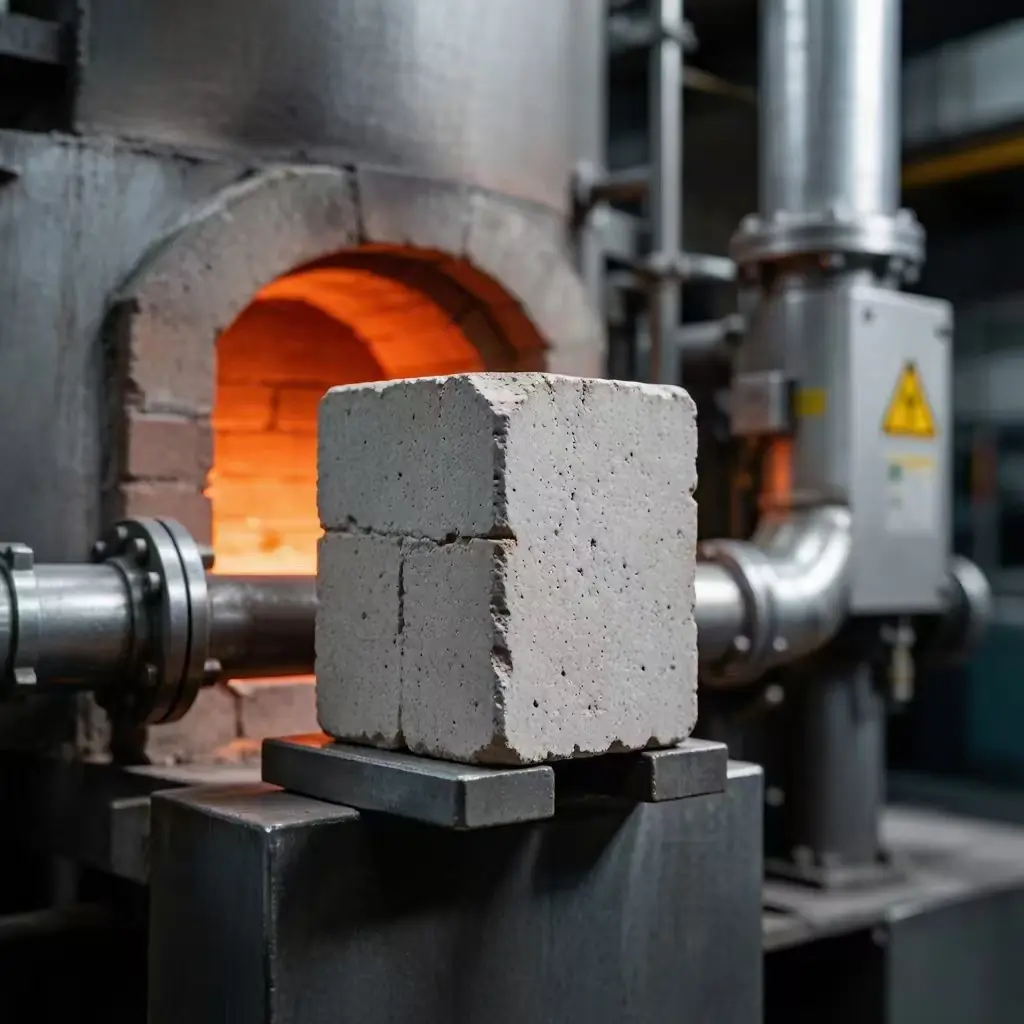
The unique combination of properties makes alumina hollow ball bricks ideal for multiple demanding applications, where they contribute to enhanced efficiency and performance.
-
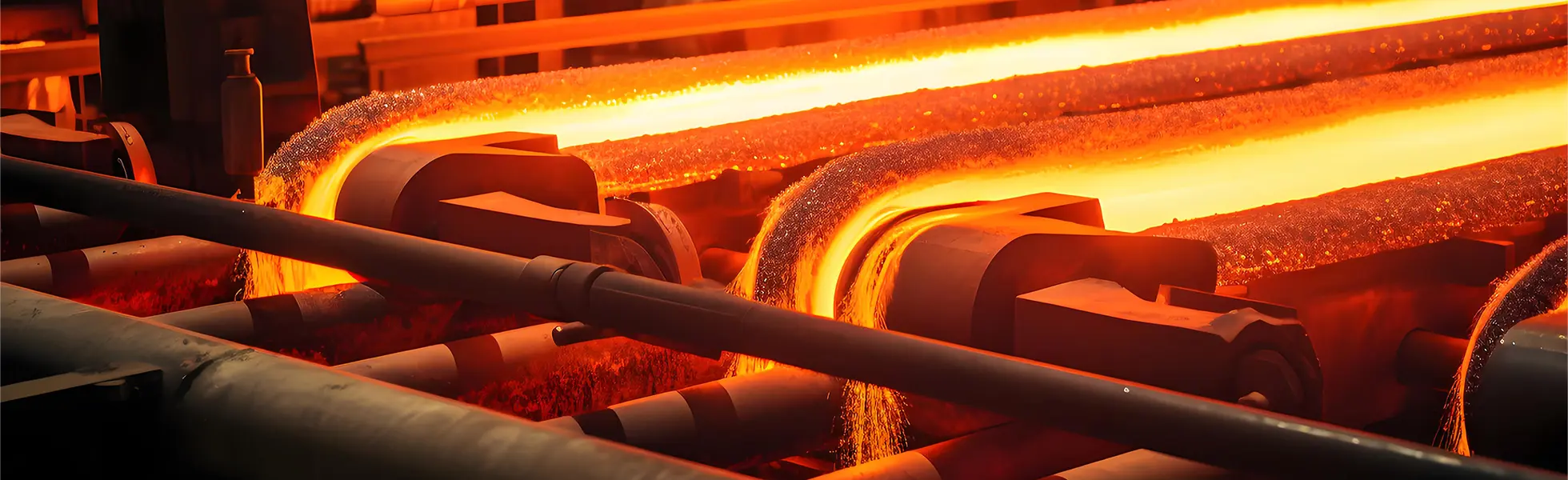
Metallurgical Industry: They are extensively used as lining materials in induction furnaces. Their lightweight nature reduces the furnace's structural load, while their excellent insulation improves thermal efficiency, leading to reduced power consumption and faster heating cycles.
-
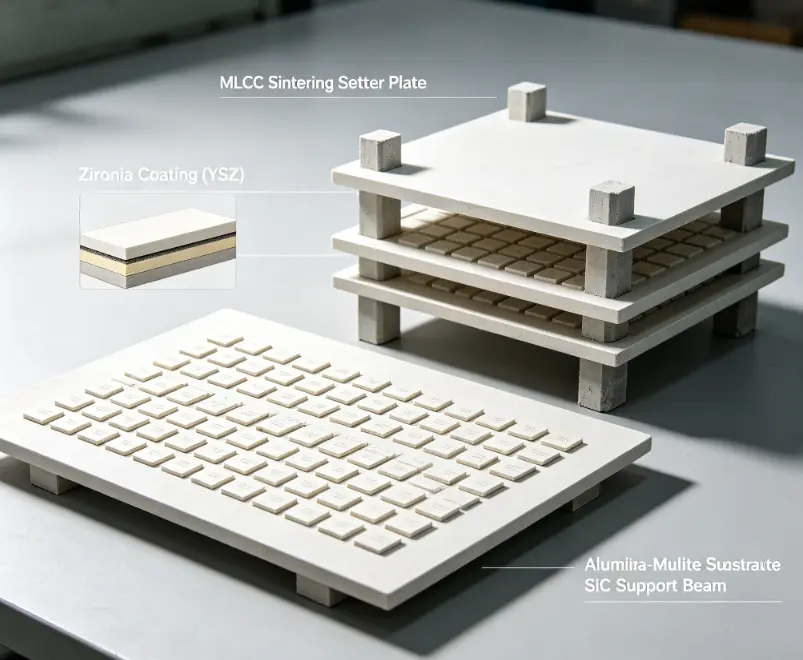
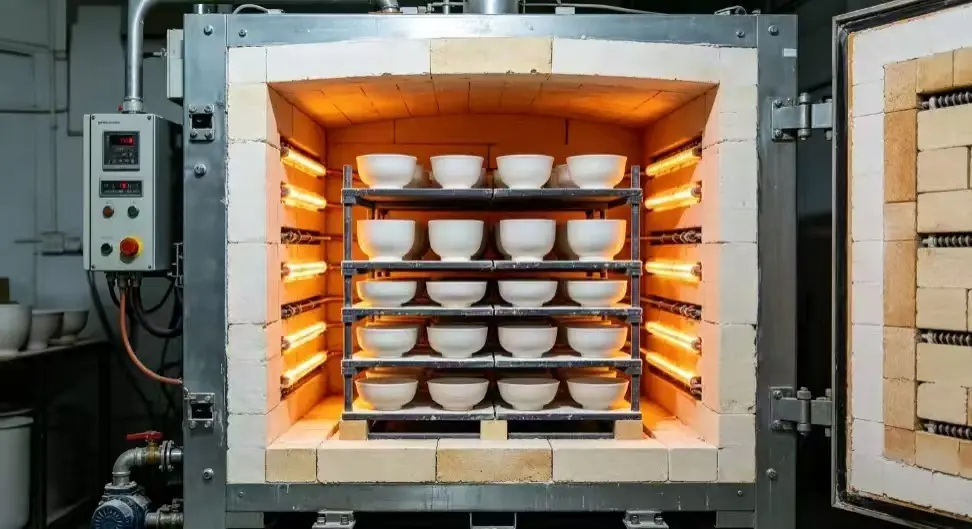
Ceramic, Glass, and Refractory Sintering Industries: In shuttle kilns, tunnel kilns, and other high-temperature sintering furnaces, these bricks serve as an effective inner lining. Their high service temperature and thermal stability are crucial for firing advanced Technical Ceramics and refractory materials. By reducing heat loss through the furnace walls, they ensure a uniform temperature distribution, which is vital for product quality, and can lower energy consumption by over 30%.
-
Petrochemical Industry: They provide reliable insulation in critical equipment such as gasifiers, reformers, and cracking furnaces. Their ability to remain stable under various atmospheric conditions and at very high temperatures makes them essential for these processes, improving operational safety and efficiency.
-
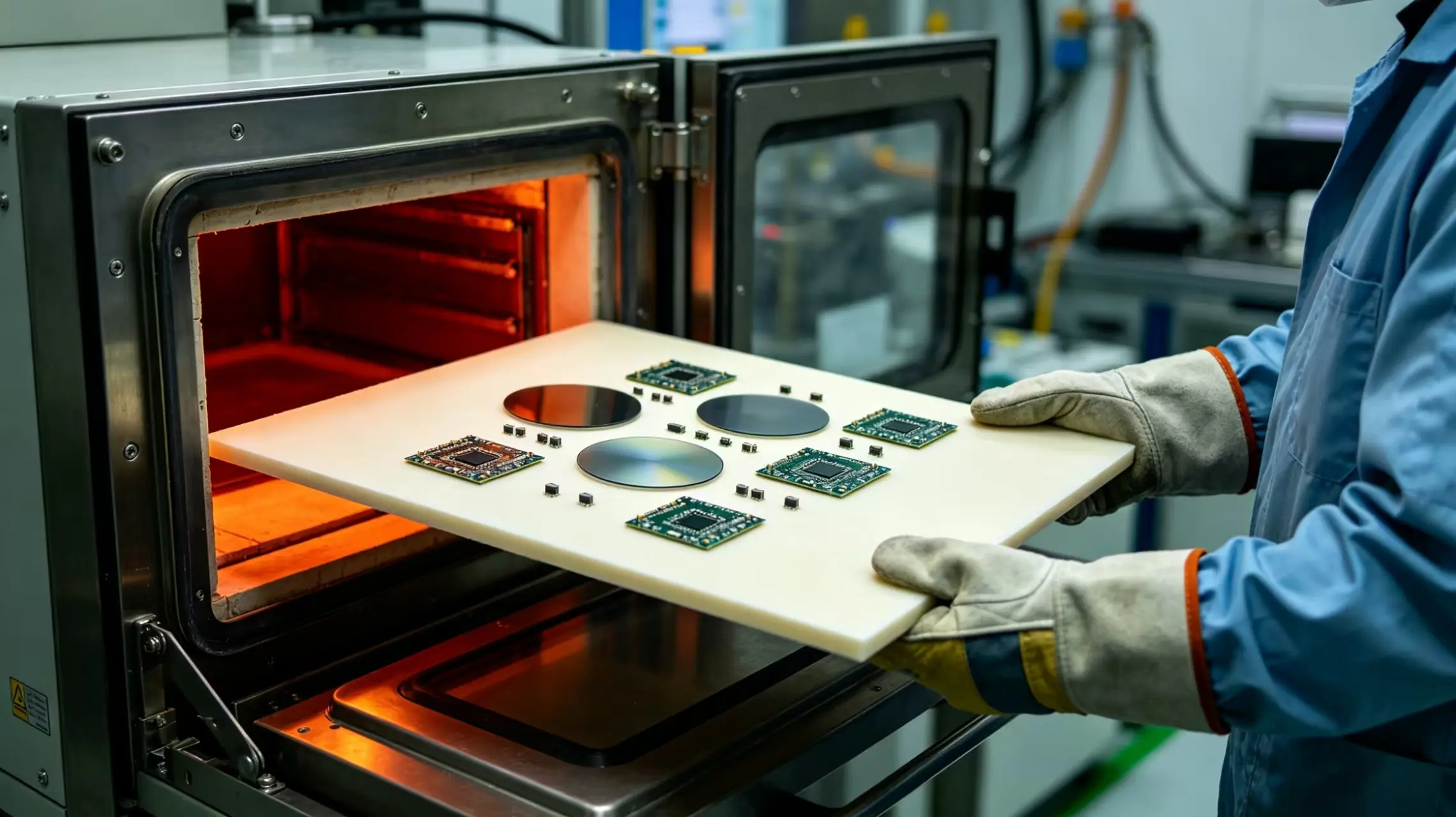
Specialized High-Temperature Furnaces: Their application extends to laboratory furnaces, tungsten and molybdenum rod furnaces, and nitriding furnaces, where their ultra-high-temperature resistance and purity are paramount.
Conclusion
In summary, alumina hollow ball bricks are a premium refractory solution that masterfully balances lightweight construction with extreme temperature resilience. Their superior thermal insulation, high mechanical strength, and exceptional stability directly translate into substantial benefits for industrial thermal processing. By enabling lighter furnace designs, reducing heat loss, and significantly cutting energy consumption, they have become a cornerstone material for modern, efficient, and high-performance industrial furnaces across a wide spectrum of industries.