


Application of Corundum-Mullite Refractories in the Sintering of Stainless Steel Products
Corundum (α-Al₂O₃) provides exceptional high-temperature strength, excellent wear resistance, and superior chemical inertness. Mullite (3Al₂O₃·2SiO₂) contributes outstanding thermal shock resistance, creep resistance, and structural stability. The synergistic combination within corundum-Mullite Bricks or monolithic linings creates a material perfectly suited for the sintering environment. Its high refractoriness (up to 1700°C and above) easily withstands standard stainless steel sintering temperatures. More critically, its low and stable coefficient of thermal expansion (typically 5.5-6.0×10⁻⁶/K) ensures remarkable resistance to thermal cycling, preventing crack formation during repeated furnace heating and cooling cycles.
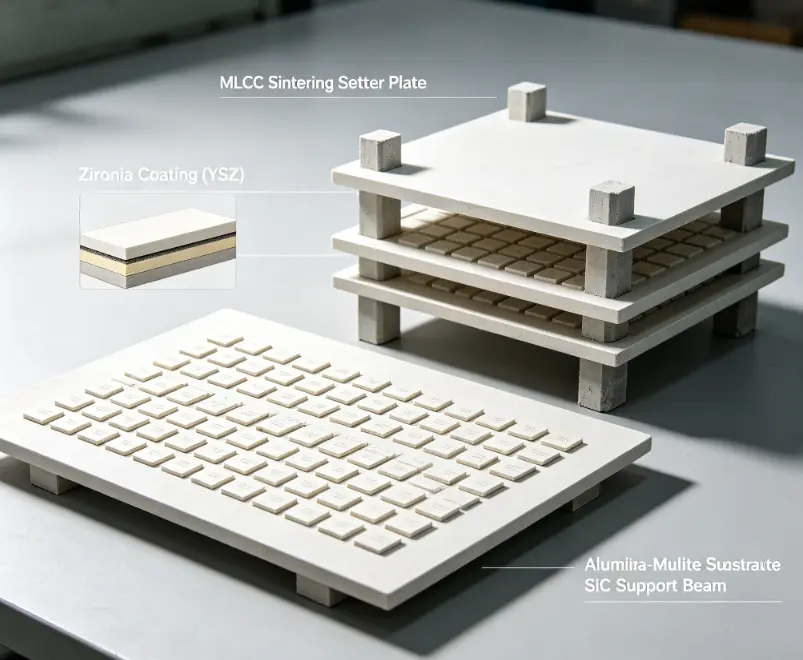
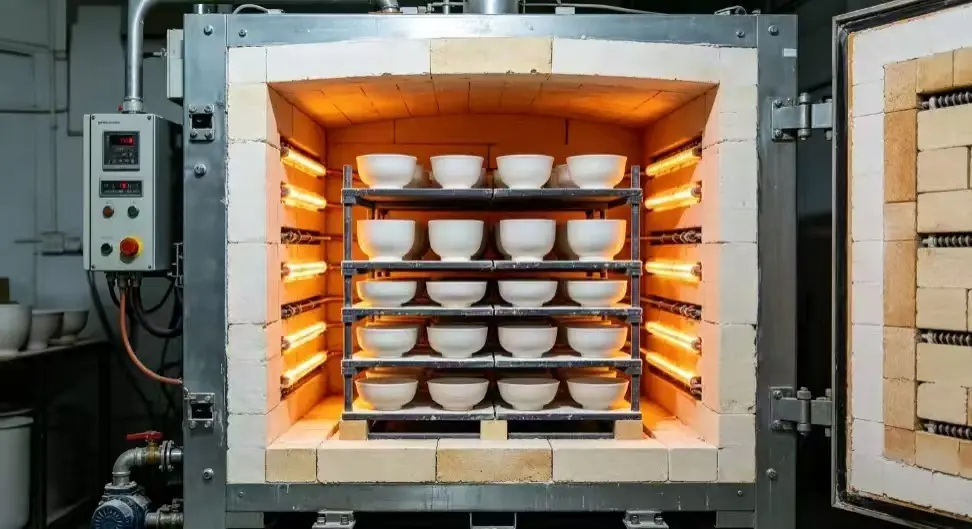
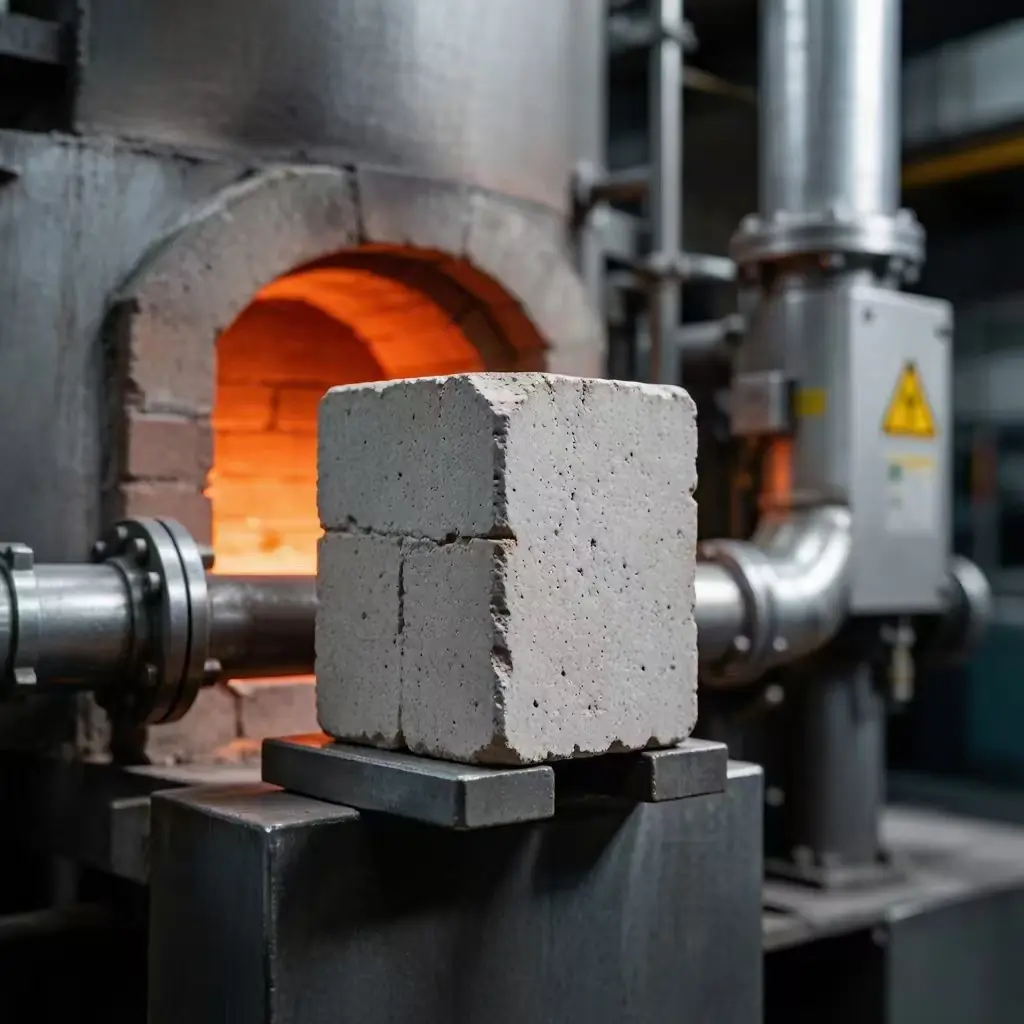
In practical application, these refractories are primarily used to construct or line key components of high-temperature sintering furnaces, such as the muffle, hearth plates, and support beams. Their primary role is to provide a stable, non-reactive thermal environment. The high chemical purity and stability of corundum-mullite are crucial here. They effectively resist oxidation and minimal interaction with the protective atmospheres (e.g., hydrogen, dissociated ammonia) or vacuum conditions used in stainless steel sintering. This prevents contamination of the stainless steel compacts by refractory impurities, which is vital for maintaining the corrosion resistance and mechanical properties of the final sintered parts. Furthermore, their resistance to alkali vapors and minor slag formation enhances service life.
Compared to traditional alumina or fireclay refractories, corundum-mullite materials offer significantly longer campaign life, reduced downtime for maintenance, and improved process consistency due to their dimensional stability. This translates directly into lower operational costs and higher product quality.