
Company News

0102030405
Applications and Development of Structural Ceramics
2026-06-04
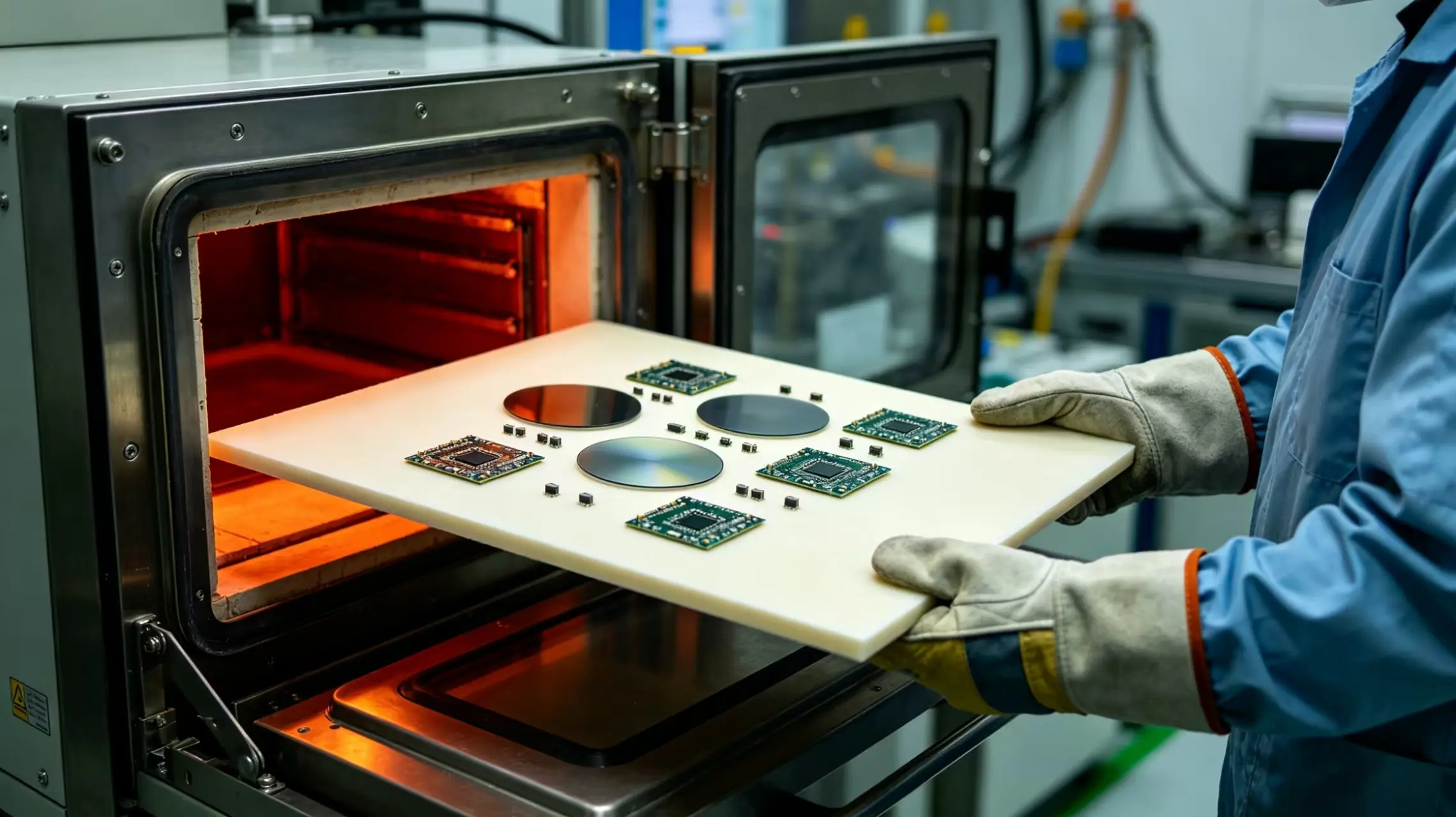
Structural ceramics have achieved extensive and in-depth applications in multiple key industrial fields. In aerospace engineering, extreme temperature differences, high pressure and strong friction pose severe challenges to component materials. High-performance structural ceramics such as silicon carbide and silicon nitride are widely used in spacecraft thermal protection systems, aero-engine turbine parts and high-temperature insulation components. Their lightweight and high-temperature resistance effectively reduce aircraft weight, improve fuel efficiency, and ensure the operational safety of aerospace equipment under extreme conditions. In recent years, 3D printing technology has further improved the processing accuracy of ceramic parts, enabling nano-level precision of ceramic reflectors and supporting the research and development of high-precision space observation equipment.
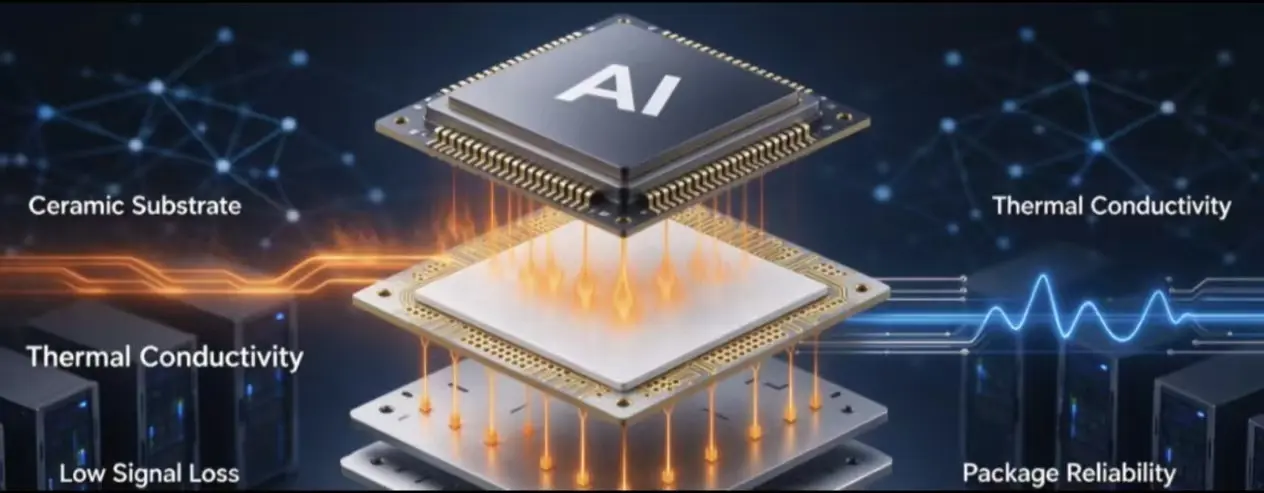
The automotive and new energy industries are major driving forces for the popularization of structural ceramics. As the global demand for energy conservation and emission reduction rises, lightweight and high-efficiency automotive components have become a development trend. Zirconia and alumina ceramics are applied in automobile brake systems, engine wear-resistant parts and exhaust system components. These ceramic parts resist high-temperature oxidation and mechanical wear, extending the service life of automotive components while reducing overall vehicle weight. In the field of new energy power devices, silicon carbide ceramic substrates effectively improve the heat dissipation efficiency of power batteries and semiconductor modules, greatly enhancing the stability and service life of new energy vehicles.
In medical and health fields, structural ceramics have unique application advantages due to their excellent biocompatibility. Zirconia ceramic dental implants can be perfectly fused with human bone tissues, with a service life of more than 20 years, far exceeding traditional implant materials. Silicon nitride ceramics with antibacterial properties are used in artificial joints and surgical instruments, which can reduce postoperative infection rates by nearly 90%. Compared with metal medical materials, structural ceramics avoid metal rejection and corrosion problems, providing safer and more durable solutions for clinical medical treatment.
Despite their superior performance, structural ceramics still face development bottlenecks. The inherent brittleness makes ceramic components prone to fracture under sudden impact loads, limiting their application in high-impact working scenarios. In addition, complex processing technology and high production costs restrict their large-scale industrial promotion. To solve these problems, the industry is constantly carrying out technological innovation. Modern modification technologies such as fiber toughening and particle composite optimization have significantly improved the toughness and impact resistance of structural ceramics. Meanwhile, the popularization of intelligent processing and additive manufacturing technology effectively reduces processing costs and improves the molding accuracy of complex ceramic parts.
In conclusion, structural ceramics, as a new generation of strategic structural materials, play a vital role in aerospace, new energy, medical treatment and advanced manufacturing. With continuous breakthroughs in material modification and processing technology, the brittleness defects of structural ceramics will be further improved, and their application scope will be more extensive. In the future, structural ceramics will continue to empower industrial upgrading and technological innovation, becoming a key support for the development of high-end intelligent manufacturing and green low-carbon industries.