
Company News
0102030405
Applications and Development Trends of Inorganic Non-metallic Materials in Modern Life
2026-06-04
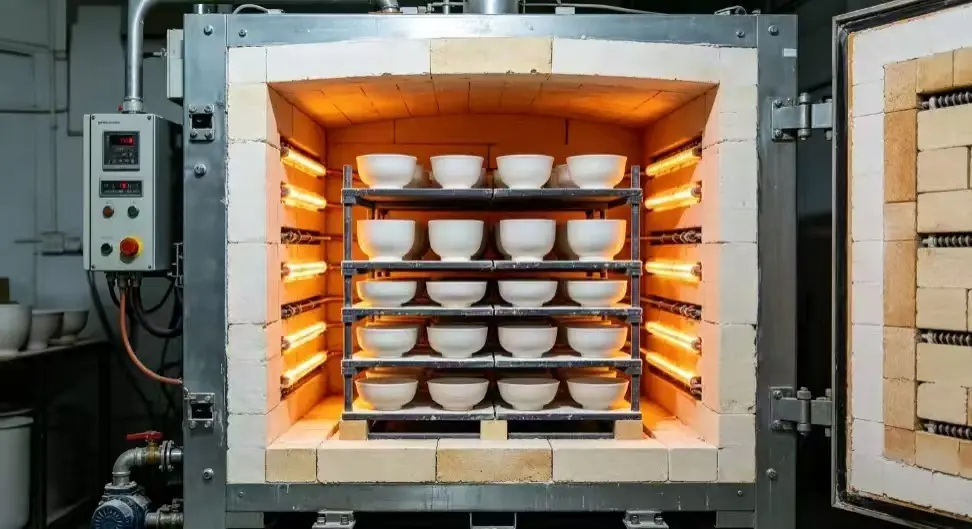
In daily life and traditional industries, inorganic non-metallic materials lay a solid foundation for modern life. In the construction industry, cement, reinforced concrete and functional glass are the core materials for urban buildings, bridges and infrastructure, ensuring the stability and durability of architectural facilities. Ordinary flat glass meets the basic lighting needs of buildings, while energy-saving coated glass and fireproof glass further improve living comfort and safety. In daily consumer goods, ceramic tableware, sanitary ceramics and quartz watch components are widely used due to their wear resistance, high temperature resistance and non-toxic characteristics, bringing convenience and safety to people’s daily life.
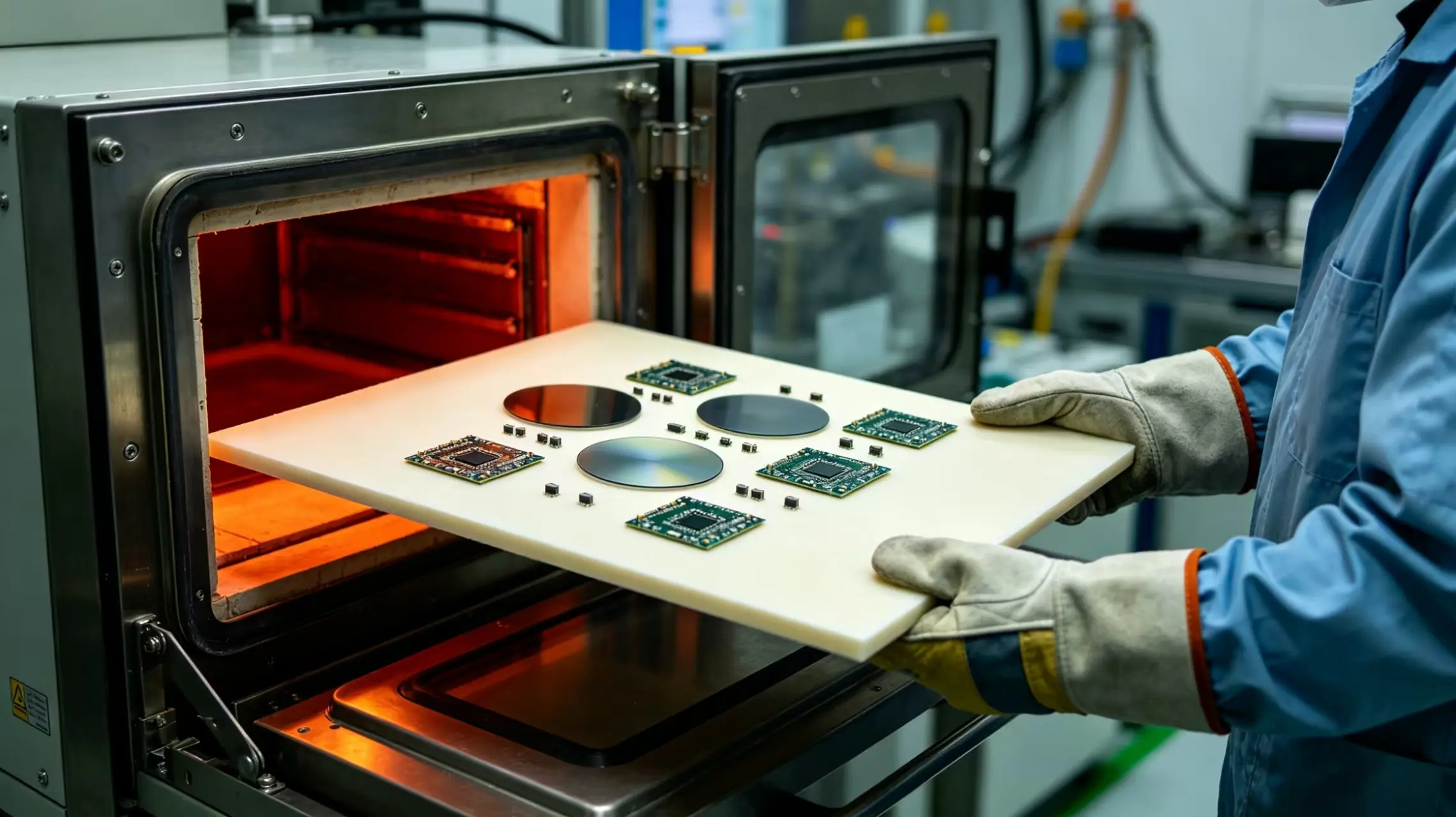
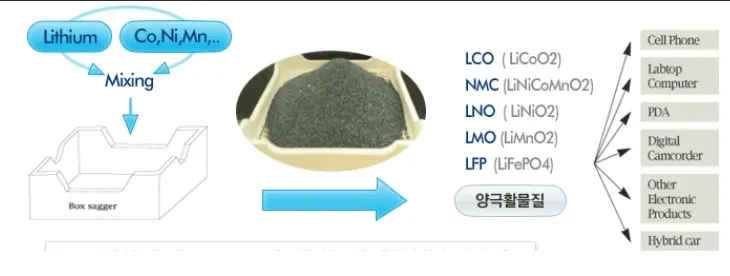
In high-tech and emerging industries, inorganic non-metallic materials show outstanding application value and become a key driving force for technological innovation. In the renewable energy sector, advanced inorganic materials have revolutionized clean energy utilization. Perovskite ceramic materials greatly improve the photoelectric conversion efficiency of solar cells, pushing lab efficiency above 25% and accelerating the commercialization of new solar power generation technology. Ceramic separators and solid electrolytes are core components of new solid-state batteries, effectively solving the safety hazards of traditional liquid lithium batteries and significantly improving battery energy density and service life. In wind power equipment, high-performance inorganic composite materials are used in turbine blade manufacturing, reducing weight while enhancing wind resistance and durability.
The medical and healthcare field also benefits greatly from advanced inorganic non-metallic materials. Bio-ceramics such as zirconia and hydroxyapatite have excellent biocompatibility, non-toxicity and mechanical strength, and are widely applied in dental restoration, artificial bone joints and medical implants. Different from metal materials, these biomaterials will not produce rejection reactions in the human body and can even integrate with human bone tissues, effectively improving the success rate of medical treatment and patients’ recovery quality. Supported by 3D printing technology, personalized inorganic medical materials can be customized according to patients’ physical characteristics, realizing precise medical treatment.
Facing the demands of technological progress and sustainable development, inorganic non-metallic materials present three major development trends. First, high-performance and compound development. Single traditional materials can no longer meet complex industrial needs, and composite materials combining inorganic non-metallic materials with organic polymers or metal materials have become mainstream, balancing multiple excellent properties and expanding application scenarios. Second, intelligent and functional diversification. Smart inorganic materials that can sense external temperature, pressure and optical changes are continuously developed, widely used in building safety monitoring, intelligent sensing equipment and precision instruments.
Third, green and low-carbon sustainable development has become the core direction. Traditional inorganic material processing has problems of high energy consumption and high pollution. At present, the industry is committed to developing low-energy synthesis technology, recyclable inorganic materials and environmentally friendly functional materials for sewage treatment and carbon capture, to reduce environmental pressure. In addition, nanotechnology is deeply integrated with inorganic non-metallic materials, which further optimizes material microstructure and enhances comprehensive performance.
In conclusion, inorganic non-metallic materials are vital basic materials supporting modern social operation and technological innovation. From traditional life scenarios to cutting-edge high-tech fields, they play an irreplaceable role. With the continuous breakthroughs in material science and processing technology, inorganic non-metallic materials will develop in a more efficient, intelligent and eco-friendly direction, and continue to inject strong impetus into the progress of modern society and the development of emerging industries.