


Development Trends of the Refractory Ceramics Industry
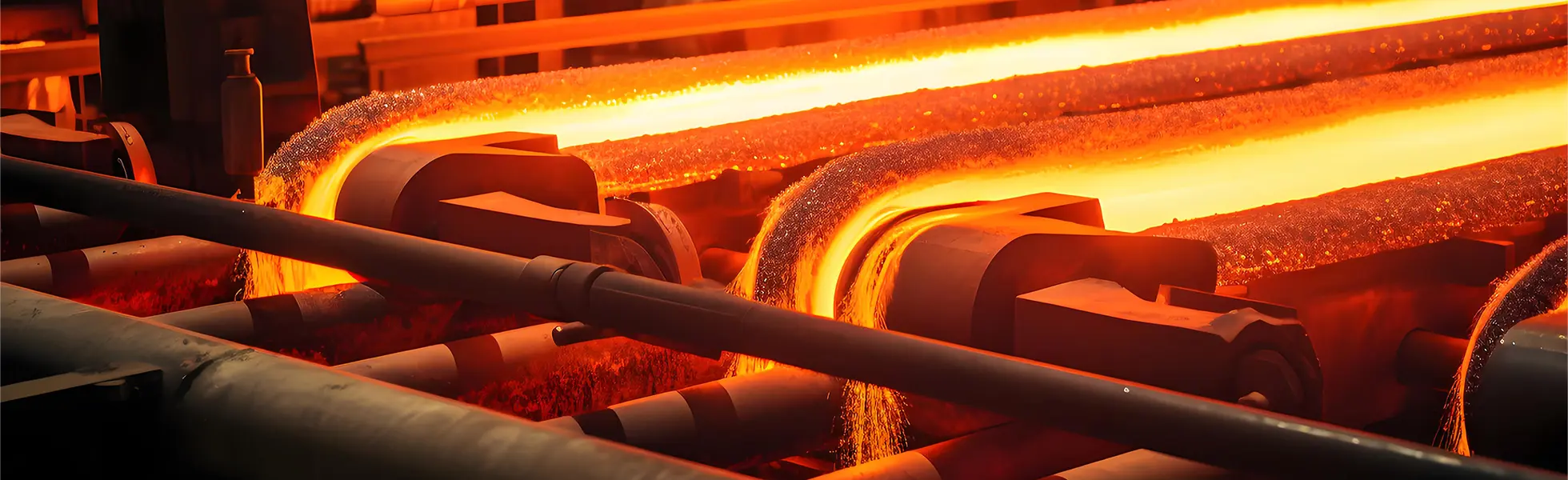
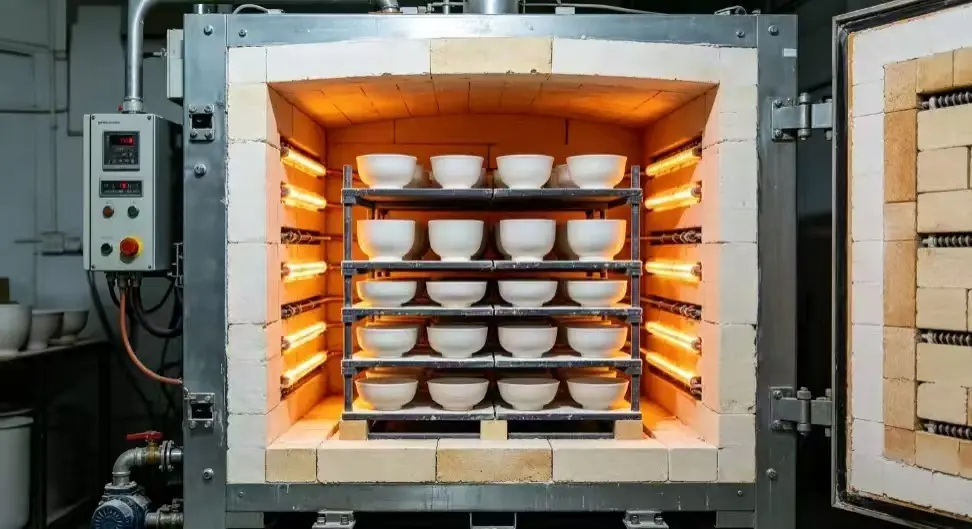
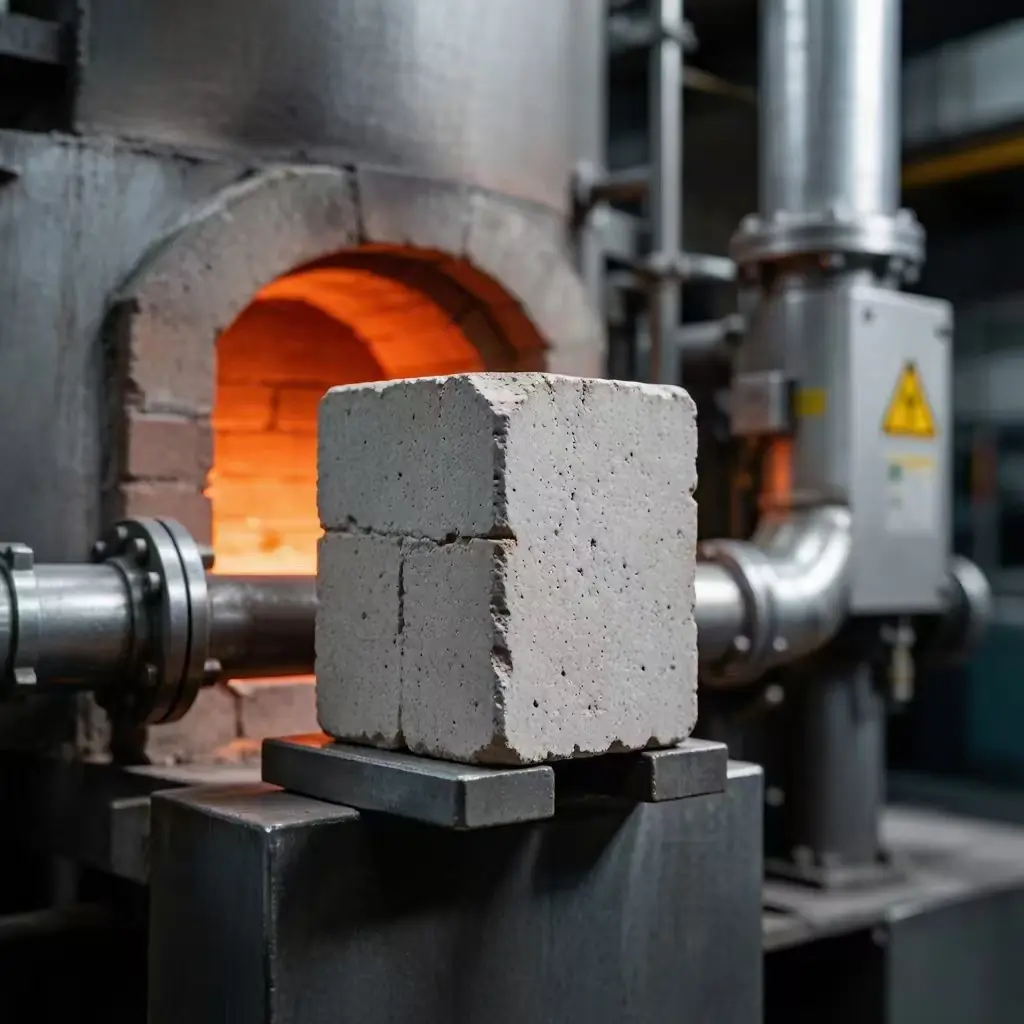
The robust demand from traditional high-temperature industries remains the core driving force for the industry’s development. The steel, cement, glass and non-ferrous metal smelting sectors are the major consumers of refractory ceramics, using them for furnace linings, kiln structures and high-temperature processing equipment. With the continuous expansion of global steel production capacity and the upgrading of cement production technology, the market is increasingly demanding refractory ceramics with longer service life, higher thermal shock resistance and superior erosion resistance. Monolithic refractory ceramics have gradually replaced traditional brick-shaped products due to their convenient installation, low maintenance cost and strong structural integrity, accounting for an increasingly large proportion of the market and becoming a mainstream choice for industrial applications.
Sustainability and energy efficiency have become the core development orientation of the refractory ceramics industry. Under the background of global carbon neutrality goals, governments and enterprises are attaching great importance to green production and low-carbon development. Manufacturers are actively developing energy-saving refractory ceramic materials with low thermal conductivity to reduce industrial heat loss and energy consumption. Meanwhile, the recycling of industrial solid waste such as coal gangue and furnace slag to produce high-grade refractory ceramics has become a new trend, which not only reduces environmental pollution but also lowers raw material costs, realizing the organic combination of economic and environmental benefits.
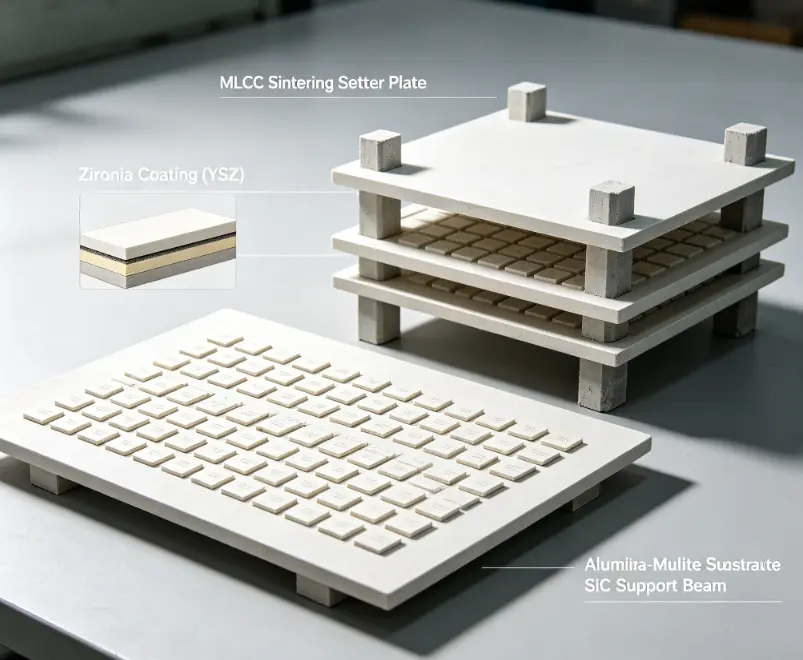
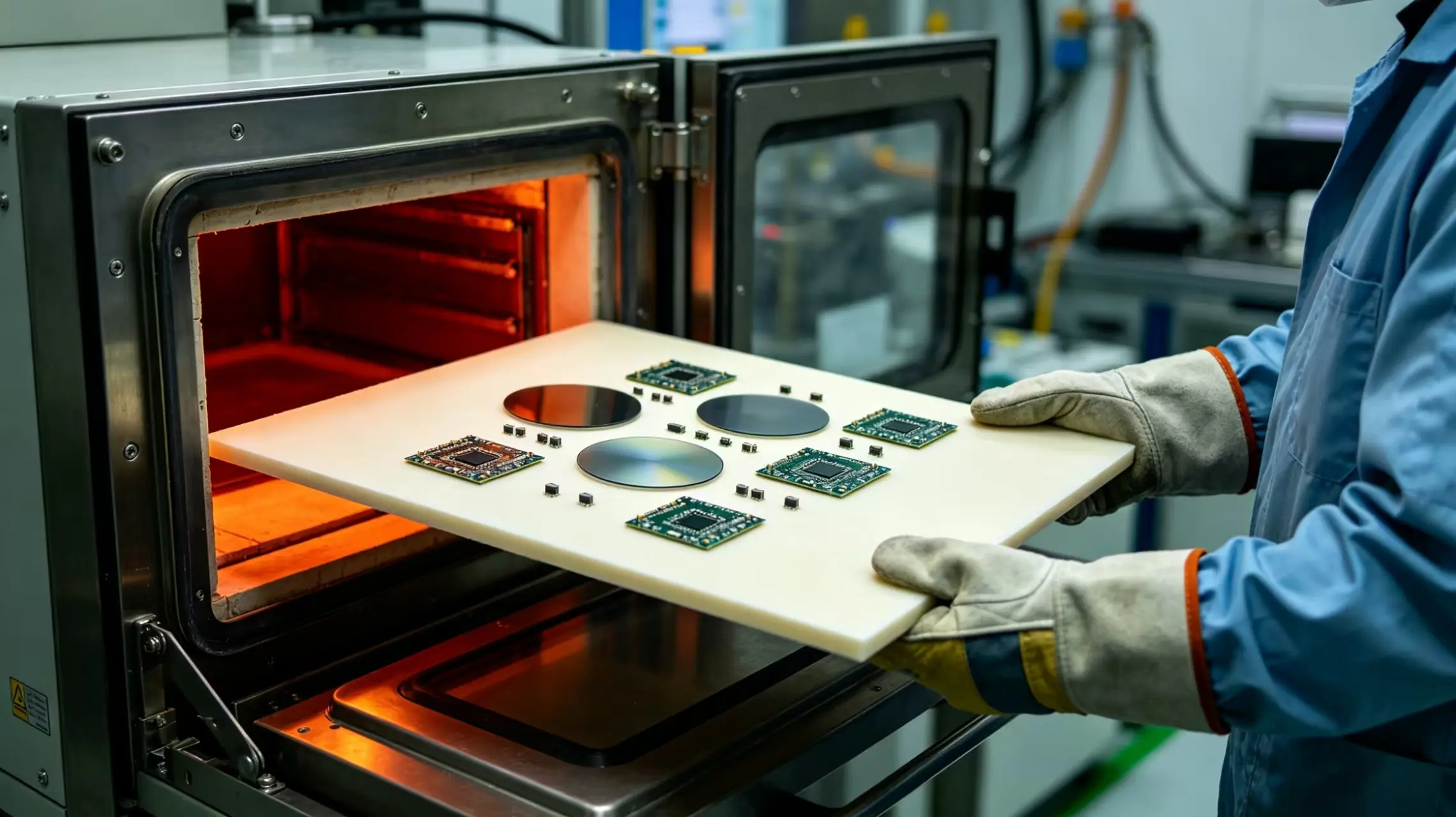
Technological innovation is accelerating the high-end and diversified development of refractory ceramics. Advanced ceramic fiber composites, nano-modified refractory materials and ultra-high temperature ceramics (resisting over 2000°C) are being widely researched and applied, breaking the application boundaries of traditional products. These high-performance materials are gradually entering emerging fields such as aerospace, new energy, semiconductors and photovoltaic power generation, creating new growth poles for the industry. In addition, intelligent manufacturing technologies such as precision casting and additive manufacturing have improved the production efficiency and product customization level of refractory ceramics, further enhancing the industry’s competitiveness.
Geographically, the Asia-Pacific region remains the largest market for refractory ceramics, supported by the rapid development of heavy industry and infrastructure construction in China and India. The global refractory ceramics market is expected to maintain a compound annual growth rate of over 11% in the next few years, reaching a market scale of more than 10 billion US dollars by 2030.
In conclusion, the refractory ceramics industry is moving towards a high-quality development stage featured by greenization, high-endization and diversification. Guided by market demand and technological progress, it will continue to provide solid material support for the sustainable development of global high-temperature industries and emerging strategic sectors.