


Features and applications of Alumina ceramic kiln stilts
Key Characteristics
The defining features of alumina Ceramic Kiln Stilts stem from the intrinsic properties of the material. Their most prominent characteristic is exceptional high-temperature resistance. They can withstand continuous operating temperatures exceeding 1500°C and even up to 1700°C for high-purity compositions, maintaining structural integrity where metal or other ceramic supports would fail.
Another critical property is high mechanical strength. Alumina ceramic possesses remarkable compressive strength, allowing the stilts to bear significant loads of ceramic products—such as sanitaryware, Technical Ceramics, or tiles—throughout the firing cycle without cracking or collapsing.
Excellent thermal shock resistance is also a vital attribute. These stilts can endure rapid heating and cooling cycles during kiln operation without fracturing, ensuring a long service life and operational reliability.
Furthermore, alumina ceramic is highly chemically inert and stable. It does not react with the ceramic glazes or the kiln atmosphere, preventing contamination of the finished products. This ensures that the supported ware remains free from stains, spots, or bonding with the stilt. Their low thermal expansion coefficient contributes to dimensional stability, minimizing the risk of warping during thermal cycles.
Primary Applications and Uses
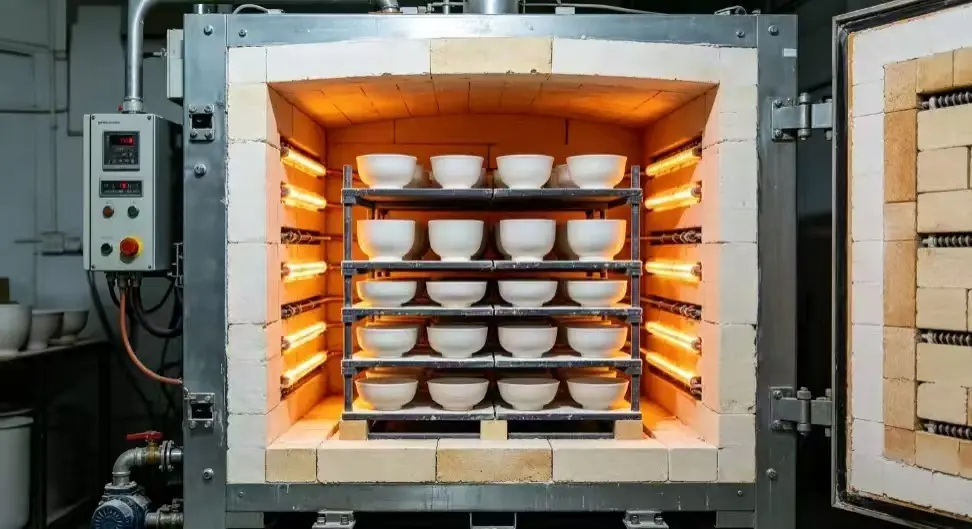
The primary function of kiln stilts is to support and separate ceramic articles inside the kiln. They are indispensable in various ceramic firing processes:
-
Sanitaryware Production: Used to support large, heavy items like toilets and sinks during firing.
-
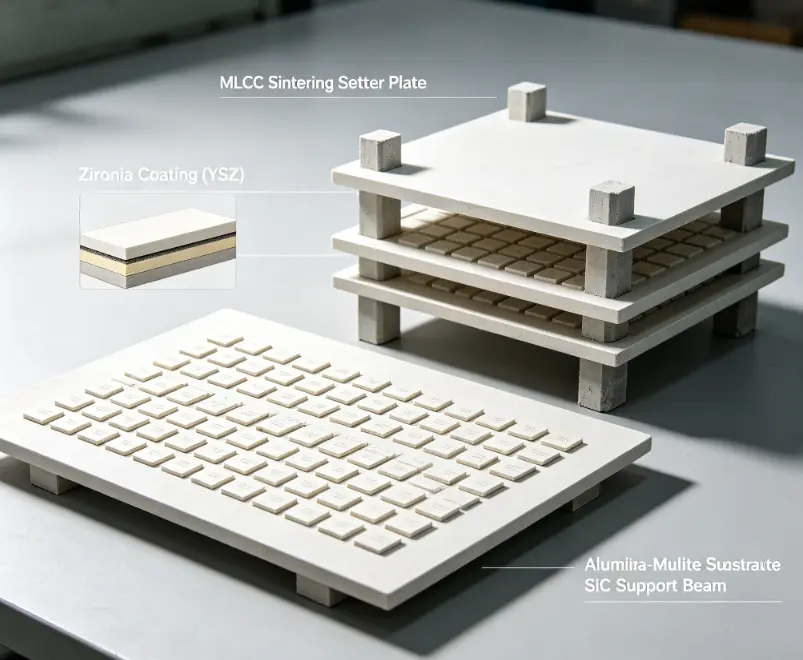
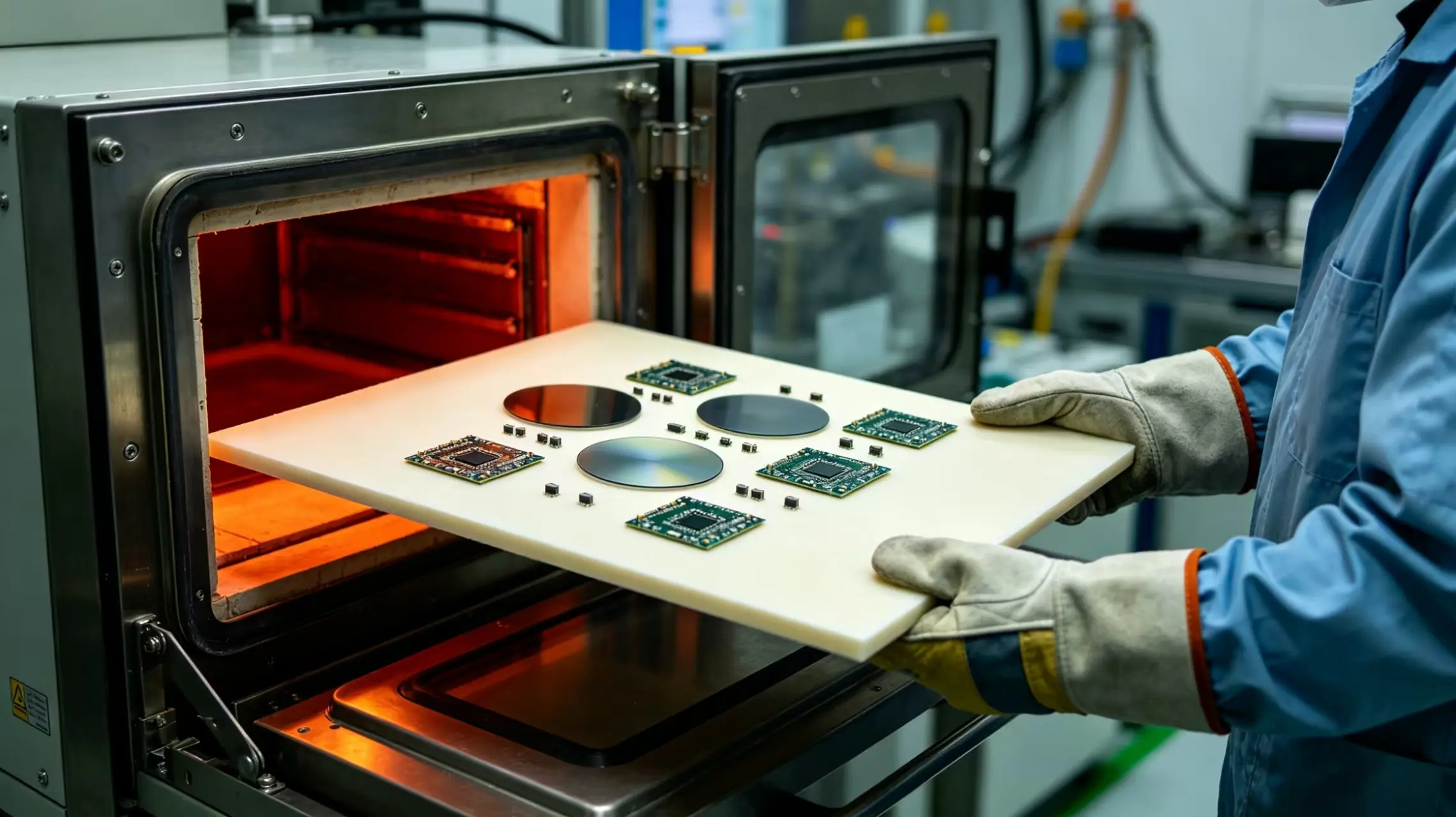
Technical Ceramics: Essential for firing high-value components such as electrical insulators, substrates, and wear-resistant parts where precision and purity are paramount.
-
Tile and Tableware Manufacturing: Employed to stack products efficiently, maximizing kiln space utilization while ensuring even heat distribution and preventing pieces from fusing together.
In conclusion, alumina ceramic kiln stilts are a cornerstone of modern high-temperature ceramic manufacturing. Their superior combination of thermal stability, mechanical strength, and chemical inertness makes them an indispensable tool for achieving high-quality, defect-free ceramic products, thereby optimizing production efficiency and cost-effectiveness.