Introduction
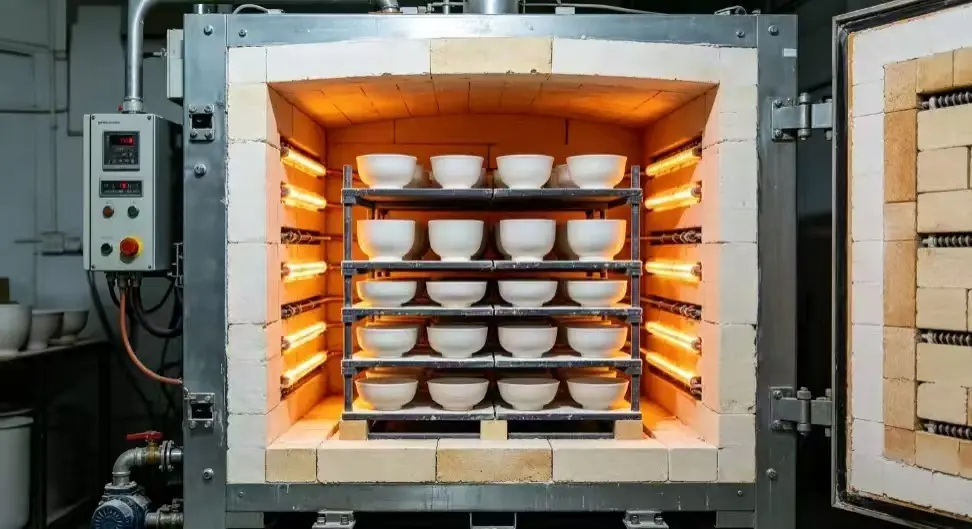
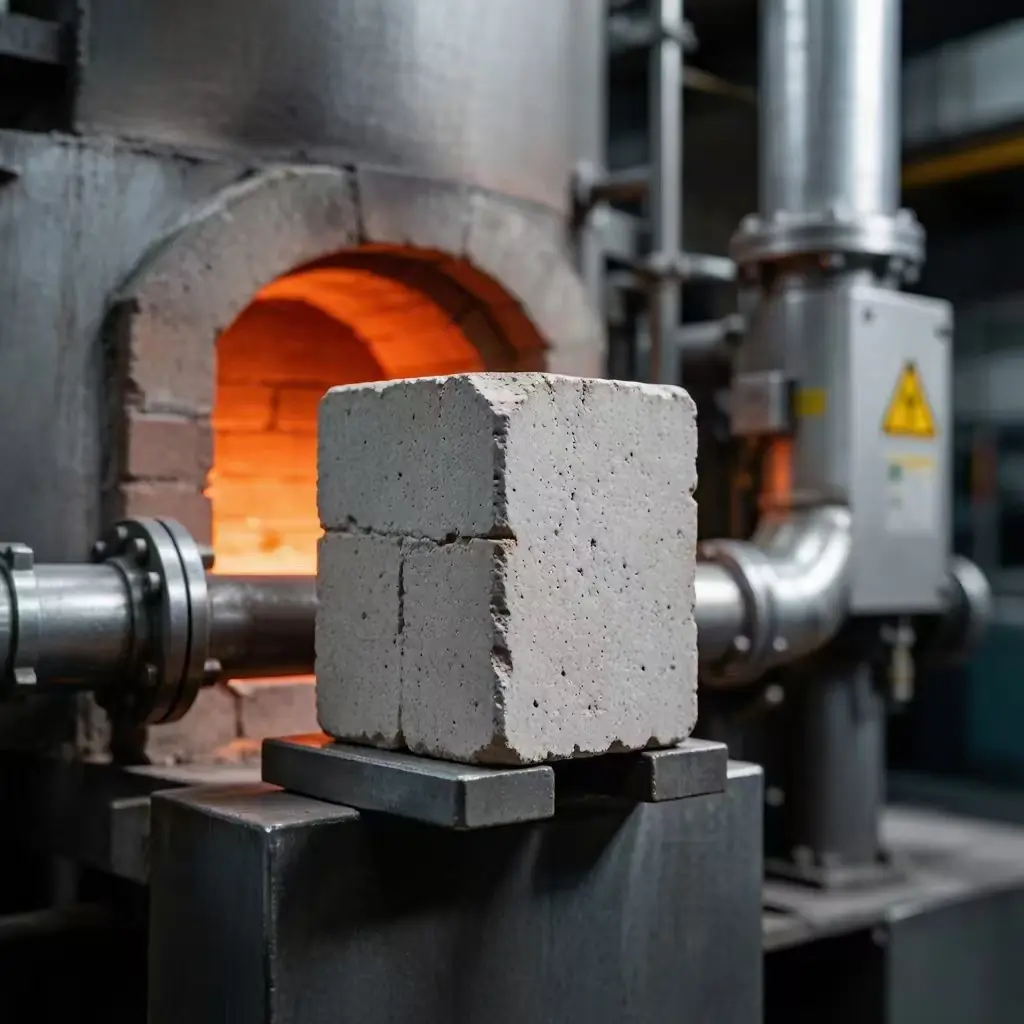
Refractory kiln furniture, comprising shelves, setters, and supports made from materials like silicon carbide (SiC), plays a critical role in ceramic production by withstanding extreme temperatures and mechanical stress in kilns. With the global SiC Ceramic Kiln Furniture market projected to grow from approximately $424 million in 2024 to $980 million by 2031, at a compound annual growth rate (CAGR) of 13.0%, understanding the forces behind this expansion is crucial for industry stakeholders-1. This growth is fueled by rising demand from sectors such as advanced ceramics, electronics, and aerospace, alongside a push toward energy-efficient manufacturing.
1. Material Innovations and Performance Enhancement
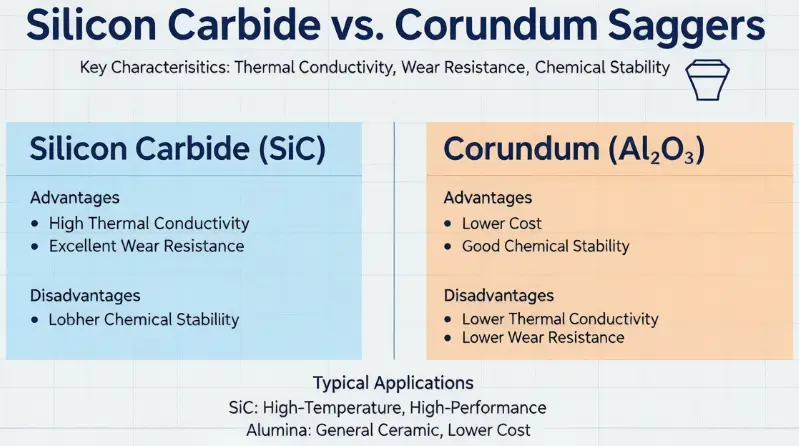
The development of advanced materials is central to improving kiln furniture performance. Silicon carbide ceramics dominate due to their exceptional thermal conductivity, mechanical strength, and resistance to thermal shock. Key innovations include:
-
Advanced Composites: New materials like oxide-carbide-nitride composites and nano-refractory materials are being developed to enhance high-temperature stability, corrosion resistance, and mechanical toughness. For instance, recrystallized SiC, pressureless sintered SiC, and reaction-bonded SiC are gaining traction for specific applications like tunnel kilns and roller hearth kilns-1-5.
-
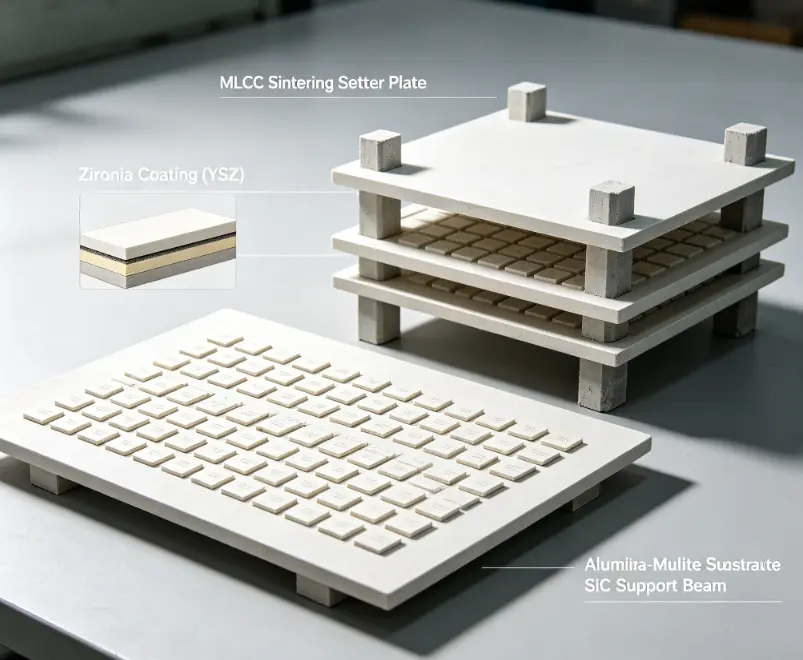
Coatings and Surface Engineering: Nano-ceramic coatings, such as those using zirconia (ZrO₂) or alumina (Al₂O₃), are being applied to kiln furniture surfaces to boost abrasion resistance, reduce chemical erosion, and extend service life. These coatings help maintain integrity in corrosive atmospheres, which is critical for manufacturing high-purity ceramics-5.
-
Lightweight and Porous Materials: Foam ceramics and porous ceramic membranes are emerging as solutions to reduce weight while maintaining thermal insulation. These materials lower energy consumption by minimizing heat storage and improving kiln efficiency-5.
2. Sustainability and Green Manufacturing
Environmental regulations and the global push for sustainability are driving the adoption of eco-friendly kiln furniture.
-
Energy Efficiency: SiC kiln furniture’s high thermal conductivity allows for faster heating and cooling cycles, reducing energy use by up to 20–30% compared to traditional alternatives. This aligns with policies like China’s "dual-carbon" goals, which incentivize upgrades to energy-saving kilns-1-6.
-
Recycling and Circular Economy: Manufacturers are increasingly recycling spent refractory materials. For example, companies are reusing ceramic waste in new kiln furniture production, reducing landfill and raw material consumption-5.
-
Emission Reductions: The shift to low-pollution binders and coatings in kiln furniture helps lower volatile organic compound (VOC) emissions during firing, supporting cleaner production processes-4-5.
3. Digitalization and Smart Manufacturing
Industry 4.0 technologies are revolutionizing kiln furniture production and usage.
-
Digital Twins and IoT: Sensors integrated into kiln furniture can monitor real-time temperature distribution and mechanical stress, enabling predictive maintenance and reducing downtime. For example, IoT-enabled systems help optimize firing profiles in shuttle kilns, improving product consistency-2-6.
-
Advanced Manufacturing Techniques: Additive manufacturing (3D printing) allows for complex, customized geometries that enhance heat distribution and load-bearing capacity. Gel casting and injection molding are also being adopted to produce precise, durable components with fewer defects-5.
-
Data Analytics: AI-driven analysis of production data helps identify optimal kiln furniture configurations for specific ceramics, minimizing energy use and maximizing throughput-6.
4. Regional Market Dynamics and Growth Opportunities
The global market exhibits distinct regional trends:
-
Asia-Pacific Leadership: Countries like China, India, and Japan are the fastest-growing markets, driven by expansions in ceramics, electronics, and construction. China, in particular, accounts for a significant share of both production and consumption, supported by government initiatives for industrial modernization-1-4.
-
North America and Europe: These regions focus on high-value applications, such as aerospace and Technical Ceramics, with an emphasis on R&D for nano-coated and composite kiln furniture. Strict environmental regulations also propel the demand for green solutions-1-6.
-
Emerging Economies: Industrial growth in Latin America and the Middle East presents new opportunities, especially in sectors like building materials and metallurgy-1.
5. Challenges and Future Outlook
Despite positive trends, the industry faces hurdles such as high production costs and limited awareness among small-scale manufacturers. However, ongoing R&D in materials and processes is expected to address these issues. Future developments will likely include:
-
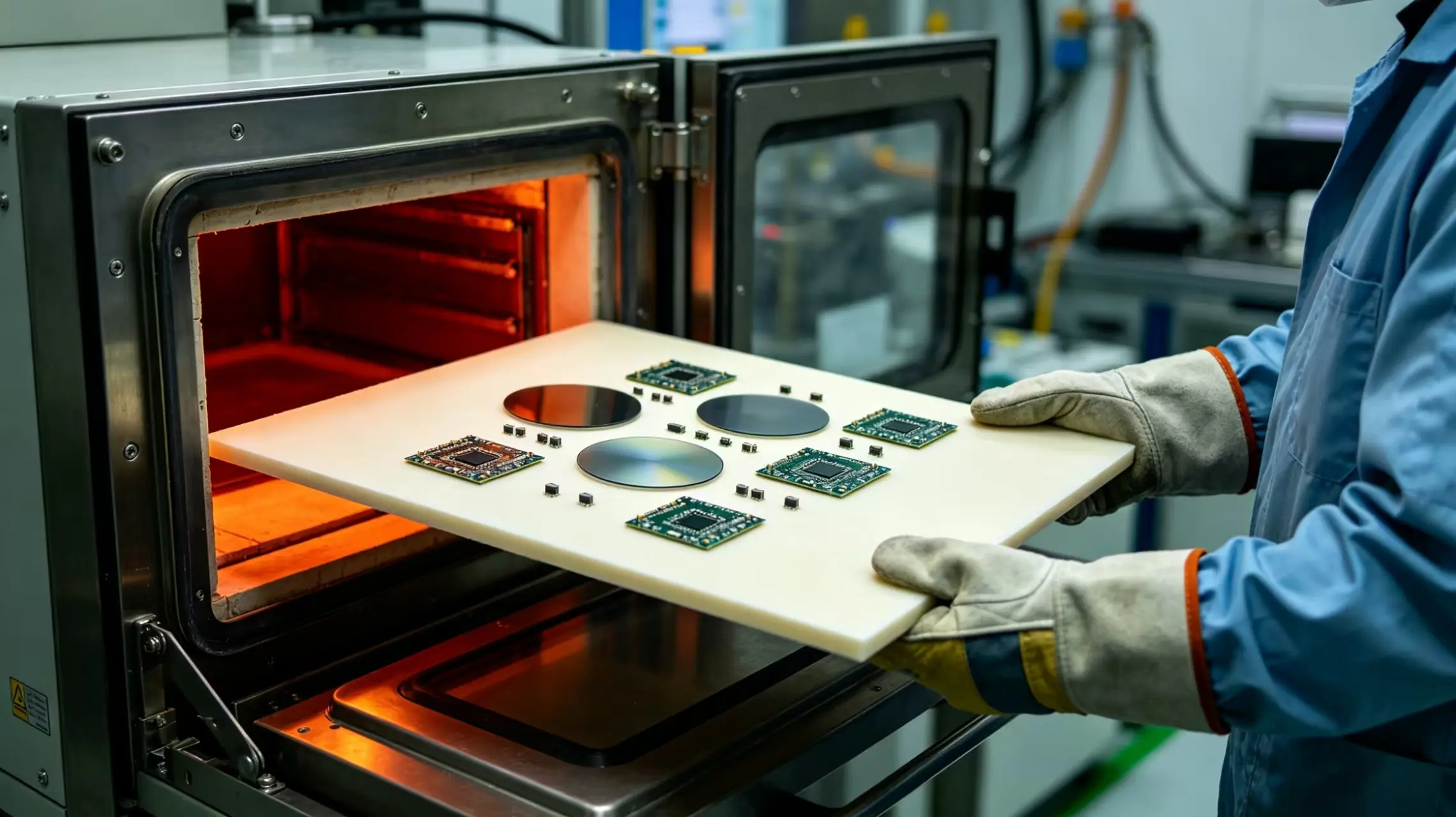
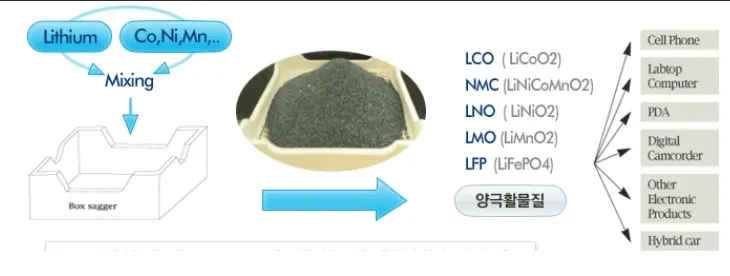
Customized Solutions: Tailored kiln furniture for specific industries, such as lithium-battery materials or semiconductor components, will gain prominence-1-6.
-
Enhanced Sustainability: Broader adoption of recycled materials and renewable energy in manufacturing processes-5.
-
Global Collaboration: Partnerships between academic institutions and manufacturers will accelerate innovation, ensuring kiln furniture meets the evolving needs of high-temperature industries-7.
In conclusion, the refractory kiln furniture sector is evolving toward higher performance, sustainability, and digital integration. Stakeholders who embrace these trends will be well-positioned to capitalize on the growing demand from advanced ceramic and industrial applications worldwide.