
Company News
0102030405
High-Temperature Sintered Materials in Mobile Phones and Their Kiln Furniture Applications
2026-05-23
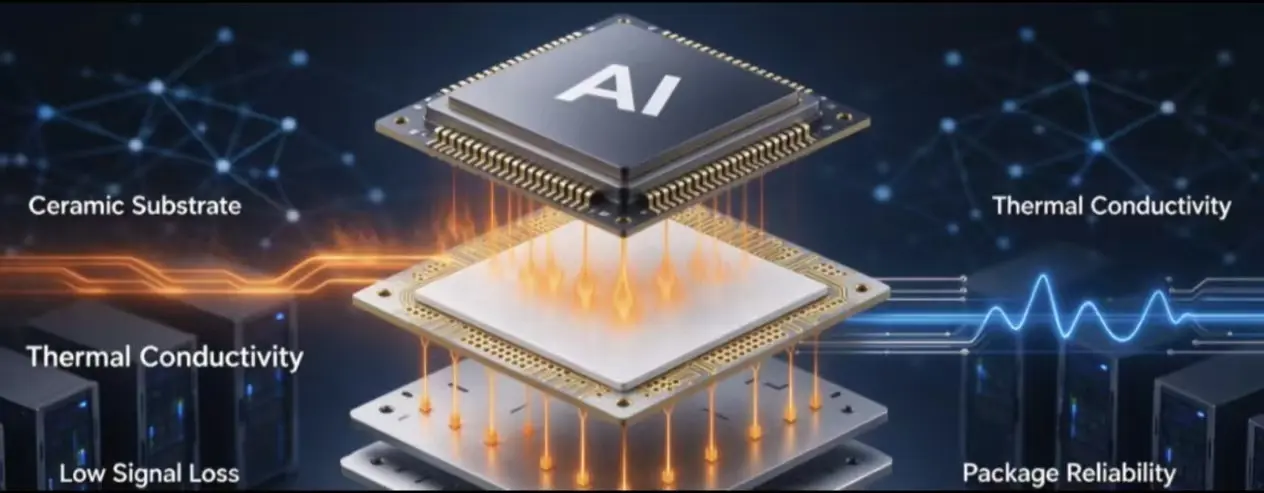
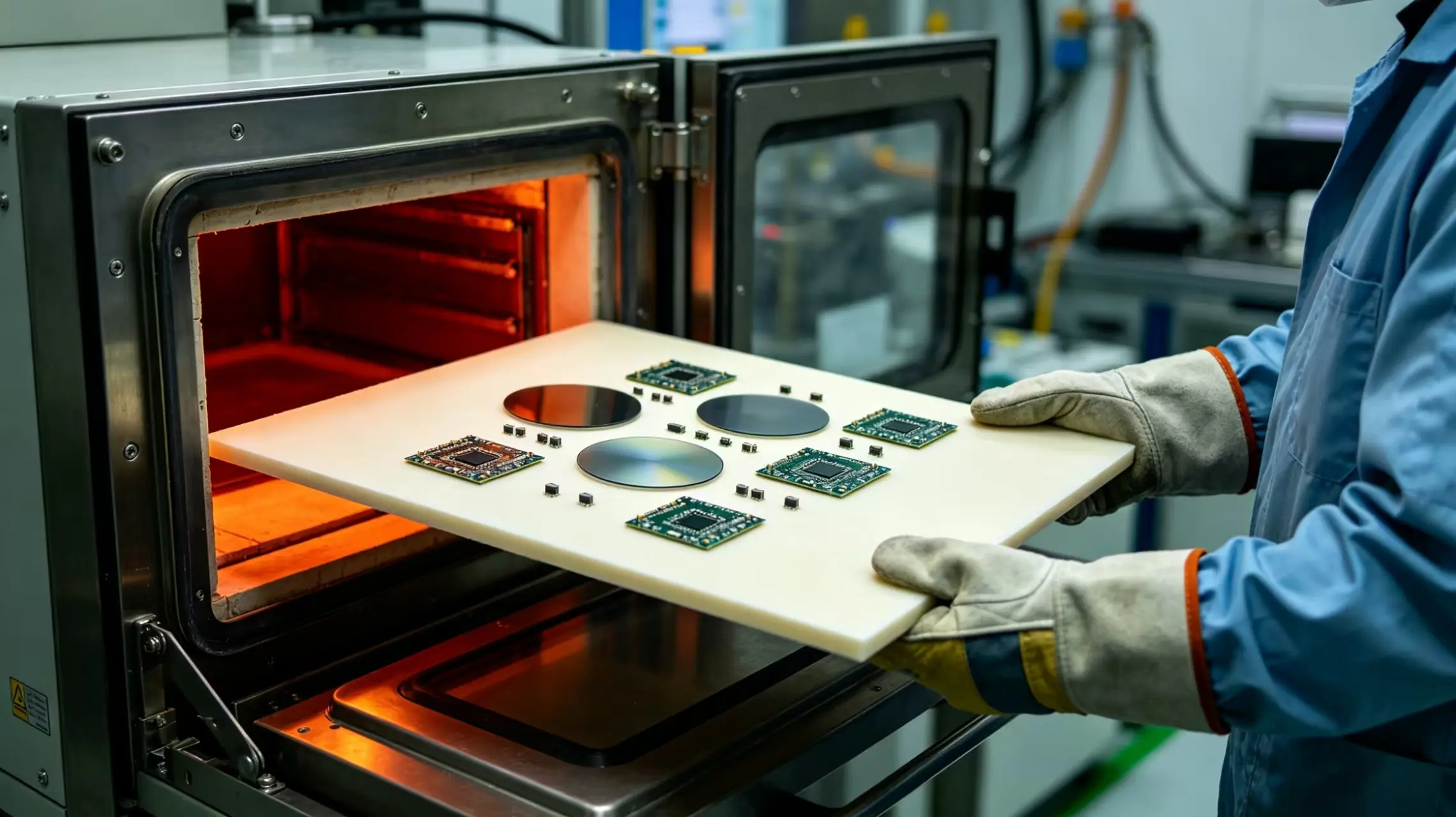
A large number of key mobile phone parts are shaped and densified through high-temperature sintering. First, zirconia ceramic components are widely adopted for 3D back covers, camera bezels, and fingerprint identification modules. Sintered at 1300–1500°C, zirconia ceramics feature high hardness, wear resistance, and anti-fall performance, providing premium texture and structural protection for smartphones. Second, aluminum nitride and alumina ceramic substrates for 5G radio frequency and heat dissipation systems are sintered at 1600–1900°C. These sintered substrates deliver excellent thermal conductivity and electrical insulation, solving heat accumulation and signal interference issues for high-power chips. In addition, high-temperature co-fired ceramic (HTCC) circuit boards and tiny ceramic insulating parts are also fabricated through precision high-temperature sintering to guarantee stable circuit operation.
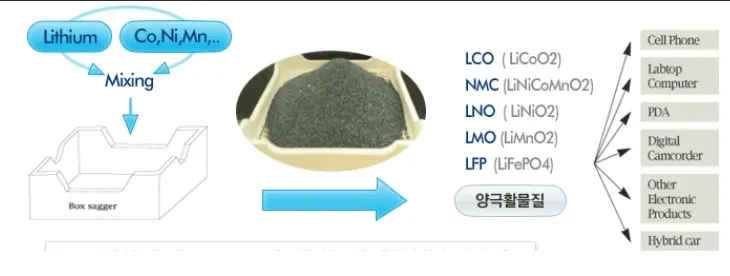
Lithium battery internal functional materials for mobile phones also depend on high-temperature sintering. Cathode and anode powder materials, ceramic separator coatings, and thermal barrier ceramics are sintered under strict thermal cycles to achieve stable chemical properties and uniform particle density. These sintered functional materials directly determine the battery’s cycle life, safety performance, and charging stability. Moreover, decorative pearl ceramic coatings on mobile phone shells require low-temperature precision sintering at 750–850°C to form uniform iridescent luster without damaging the base material.
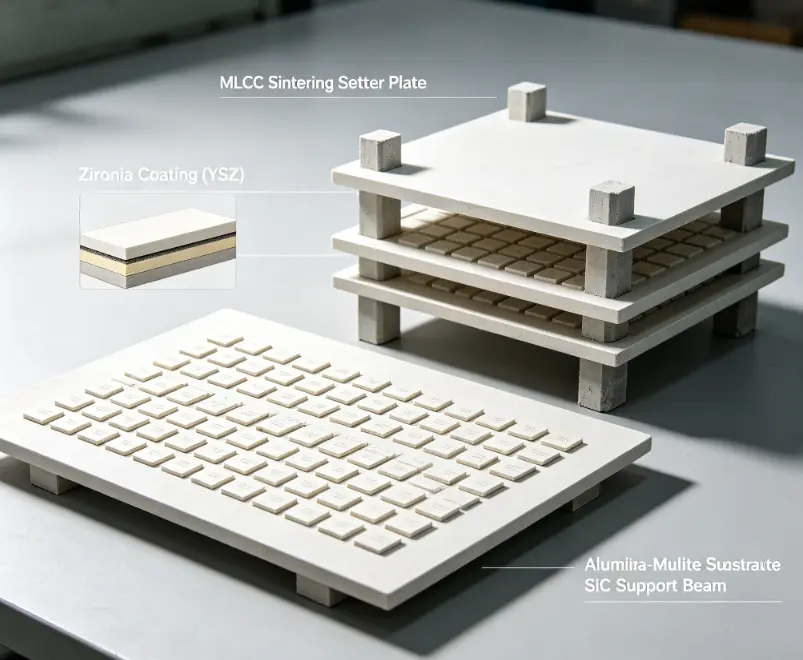
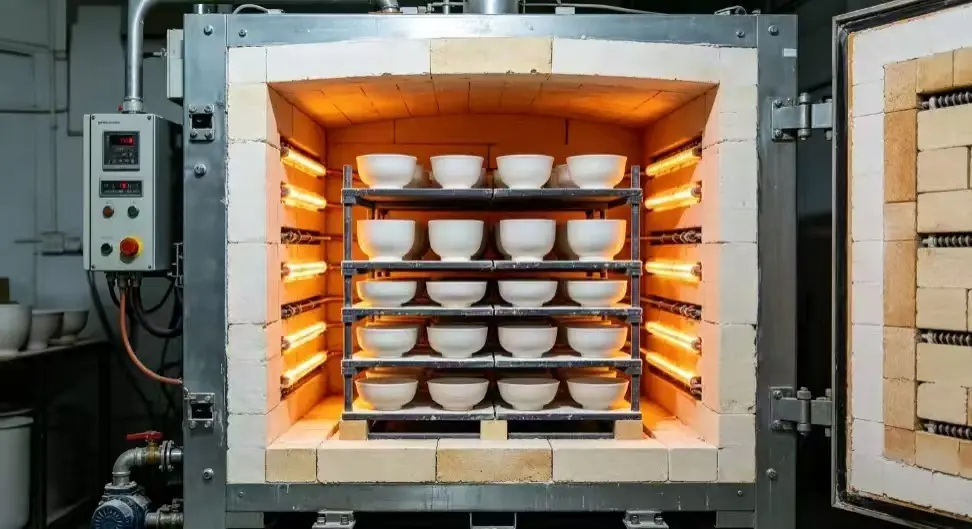
The sintering of these delicate mobile phone electronic ceramics requires specialized Kiln Furniture to avoid deformation, contamination, and performance attenuation. Cordierite setter plates are the most widely used basic kiln tools. With ultra-low thermal expansion and excellent thermal shock resistance, they carry flat ceramic blanks and circuit substrates during continuous firing, effectively preventing warping and cracking caused by rapid temperature changes. Setter plates with reserved expansion slots further release internal thermal stress, greatly improving the yield of precision electronic components.
For high-purity and high-temperature sintering scenarios, mullite saggarand high-Alumina Refractory containers are essential.Mullite saggars feature stable chemical inertness and high-temperature oxidation resistance, creating a clean and isolated firing microenvironment. They effectively isolate kiln dust, flue gas, and impurity elements, avoiding surface pollution and performance degradation of precision ceramic substrates and battery materials. For special vacuum and high-pressure sintering of high-end heat dissipation ceramics, high-density graphite molds are applied, which withstand ultra-high temperatures while maintaining precise component dimensions.
In conclusion, nearly all high-performance structural, heat dissipation, electronic, and decorative ceramic parts of modern mobile phones are produced via professional high-temperature sintering processes. Different sintering temperatures and material characteristics correspond to matched kiln furniture including cordierite setters, mullite saggars, and graphite molds. The cooperation of sintered materials and refractory kiln tools ensures the high precision, stability, and durability of smartphone core components, laying a solid foundation for the upgrade of modern mobile electronic manufacturing technology.