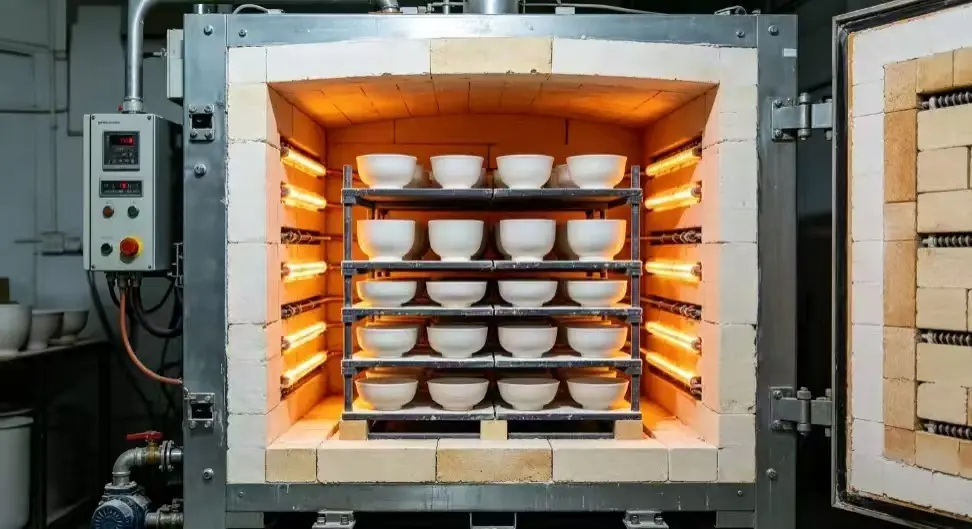
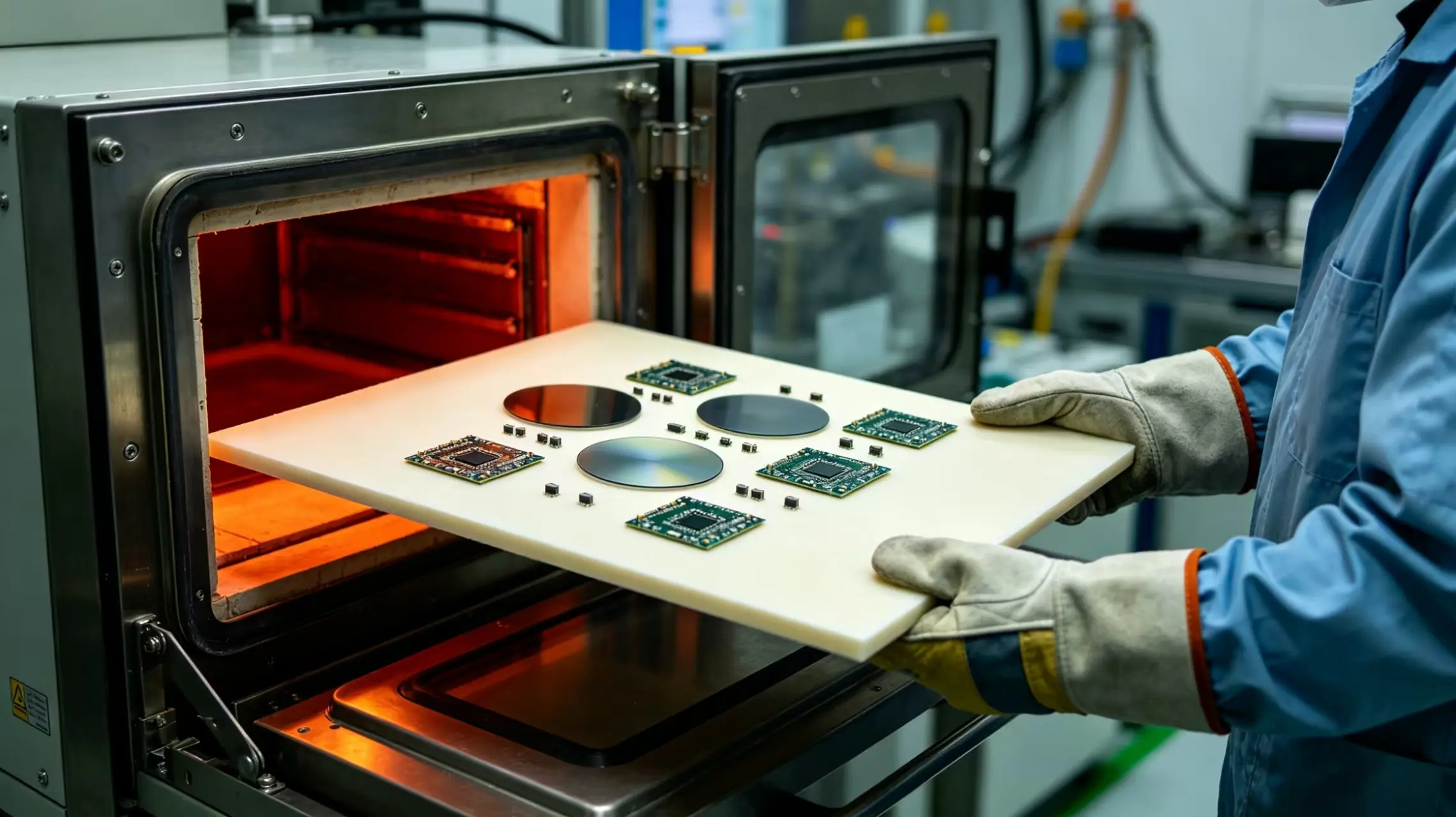
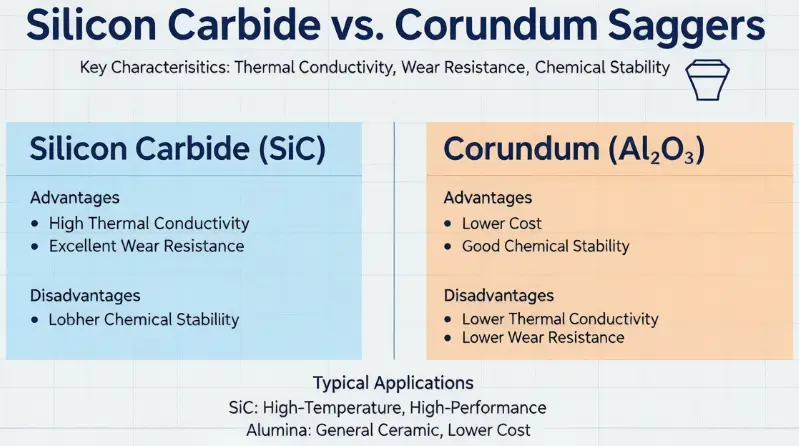
In the realm of photovoltaics (PV), ceramics are fundamental to the manufacturing process itself. High-purity alumina (Al₂O₃) and silicon carbide (SiC) are used extensively in critical components of crystal growth furnaces for multi-crystalline silicon. They serve as crucibles, susceptors, and diffusion furnace liners, capable of withstanding temperatures exceeding 1600°C while preventing contamination of the high-purity silicon melt. Furthermore, in thin-film solar cells, ceramics are used as sputtering targets for depositing conductive and transparent layers. For concentrated solar power (CSP), ceramic absorbers and receiver tubes are being developed to operate at the extreme temperatures necessary for efficient thermal energy conversion.
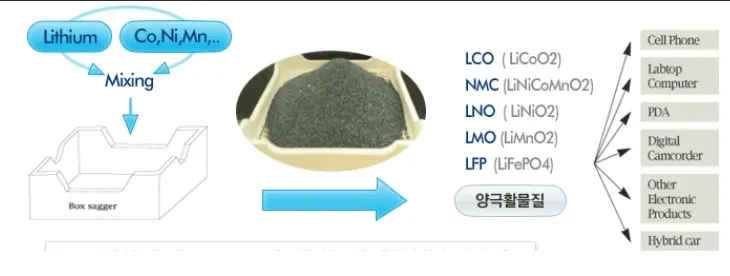
The energy storage revolution, primarily driven by lithium-ion batteries, relies heavily on advanced ceramics. Aluminum oxide (Al₂O₃) is used as an insulating coating on separator membranes, preventing thermal runaway and short circuits—a critical safety feature. Perhaps the most promising application is in solid-state batteries. Ceramic materials, such as lithium lanthanum zirconate (LLZO) and other garnet or phosphate-based structures, are being developed as solid electrolytes. They promise to replace flammable liquid electrolytes, enabling batteries with higher energy density, faster charging rates, and vastly improved safety. Additionally, ceramics are used in battery pack housings and as thermal management materials to dissipate heat effectively.
The hydrogen economy is another area where ceramics are indispensable. In proton exchange membrane (PEM) electrolyzers and fuel cells, ceramics like silicon carbide and doped zirconia are used as bipolar plates and sealants due to their excellent corrosion resistance in highly acidic environments and their electrical conductivity. The most significant application is in solid oxide fuel cells (SOFCs) and electrolyzers (SOECs). These high-temperature devices use yttria-stabilized zirconia (YSZ) as the solid oxide electrolyte, which conducts oxygen ions. The entire cell structure, including the electrodes and interconnects, often incorporates ceramic or cermet (ceramic-metal composite) materials to withstand operational temperatures of 700-1000°C, enabling highly efficient conversion between chemical and electrical energy.
Finally, in nuclear energy, both fission and future fusion reactors utilize ceramics for their neutron absorption capabilities and structural integrity at high temperatures in radiation-heavy environments. Boron carbide (B₄C) is a primary material for control rods and shielding, while silicon carbide (SiC) composites are being developed as accident-tolerant fuel (ATF) cladding, offering superior performance compared to traditional zirconium alloys.
In conclusion, from harnessing the sun's power to storing electricity and enabling a green hydrogen future, industrial ceramics provide the robust, high-performance foundation upon which the new energy landscape is being built. Their unique properties are solving some of the most challenging material science problems, making them not just components, but keystones of a sustainable energy transition.