

Key Industries for Corundum Kiln Furniture Applications
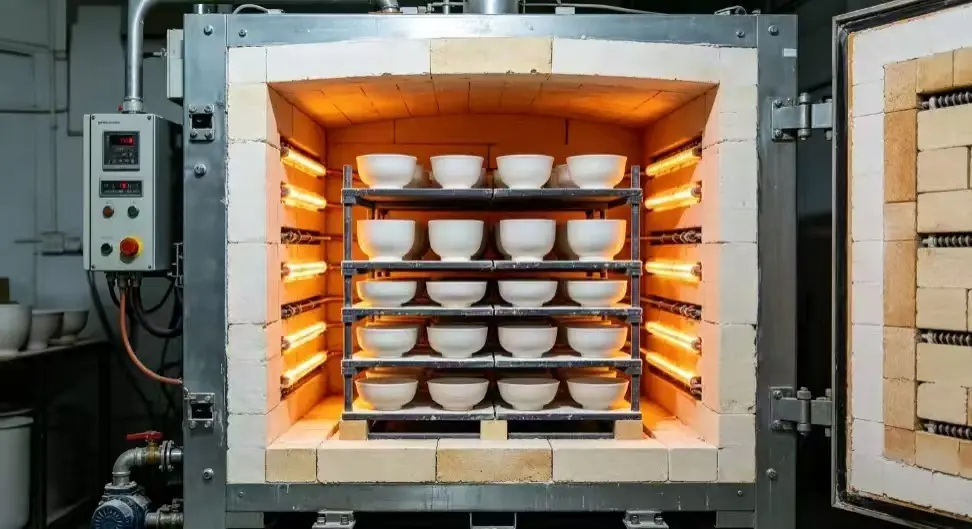
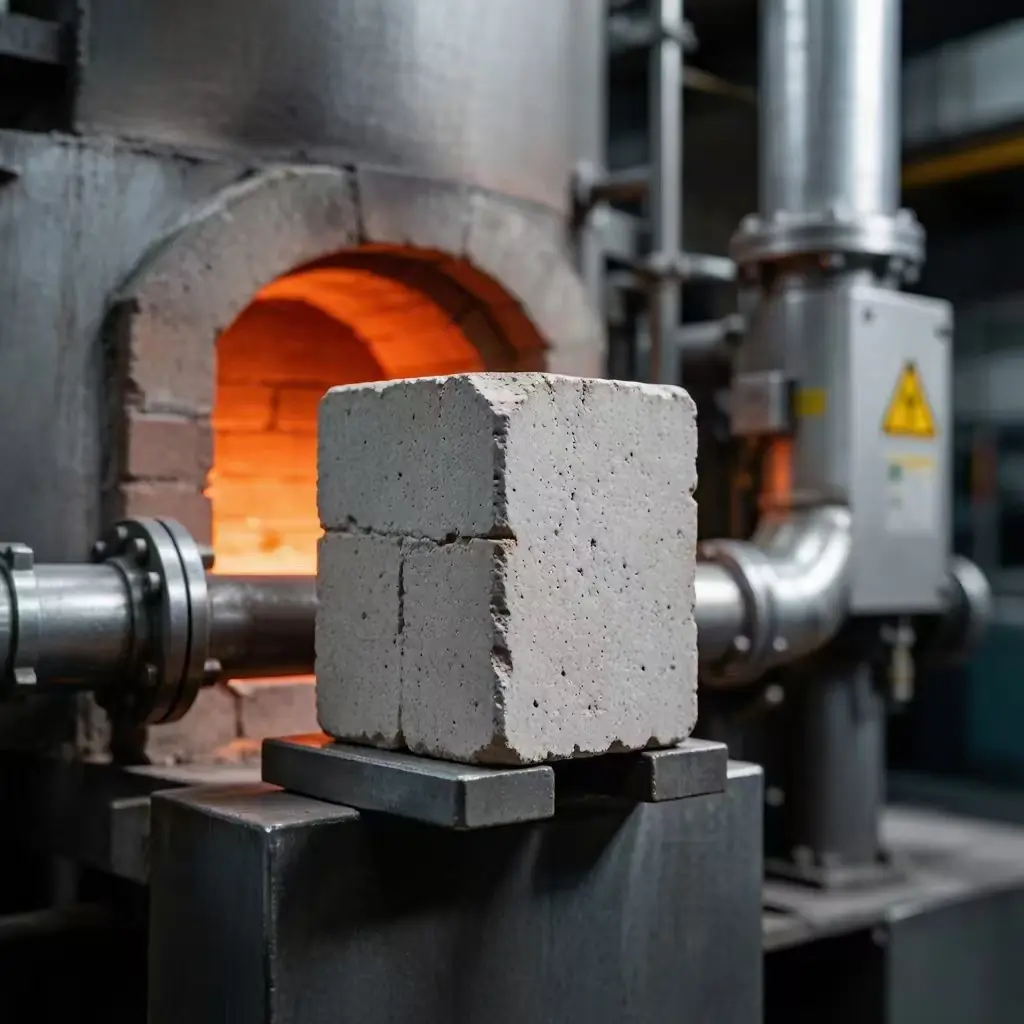
The ceramics and porcelain industry is the largest consumer of corundum kiln furniture. During ceramic production, materials undergo sintering at temperatures ranging from 1200°C to 1800°C, demanding kiln furniture that can endure cyclic heating and cooling without deformation. Corundum shelves, saggers, and setters provide a stable platform for ceramic green bodies, preventing粘连 and ensuring uniform heating. From household ceramics to industrial ceramics like Refractory Bricks, corundum kiln furniture enhances product quality by maintaining structural integrity under intense heat, reducing production defects such as cracks or warping.
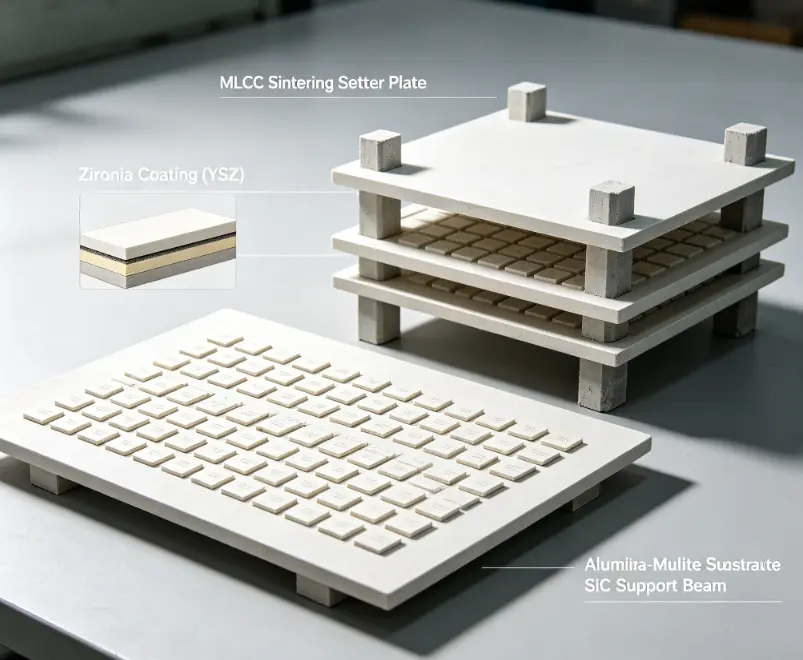
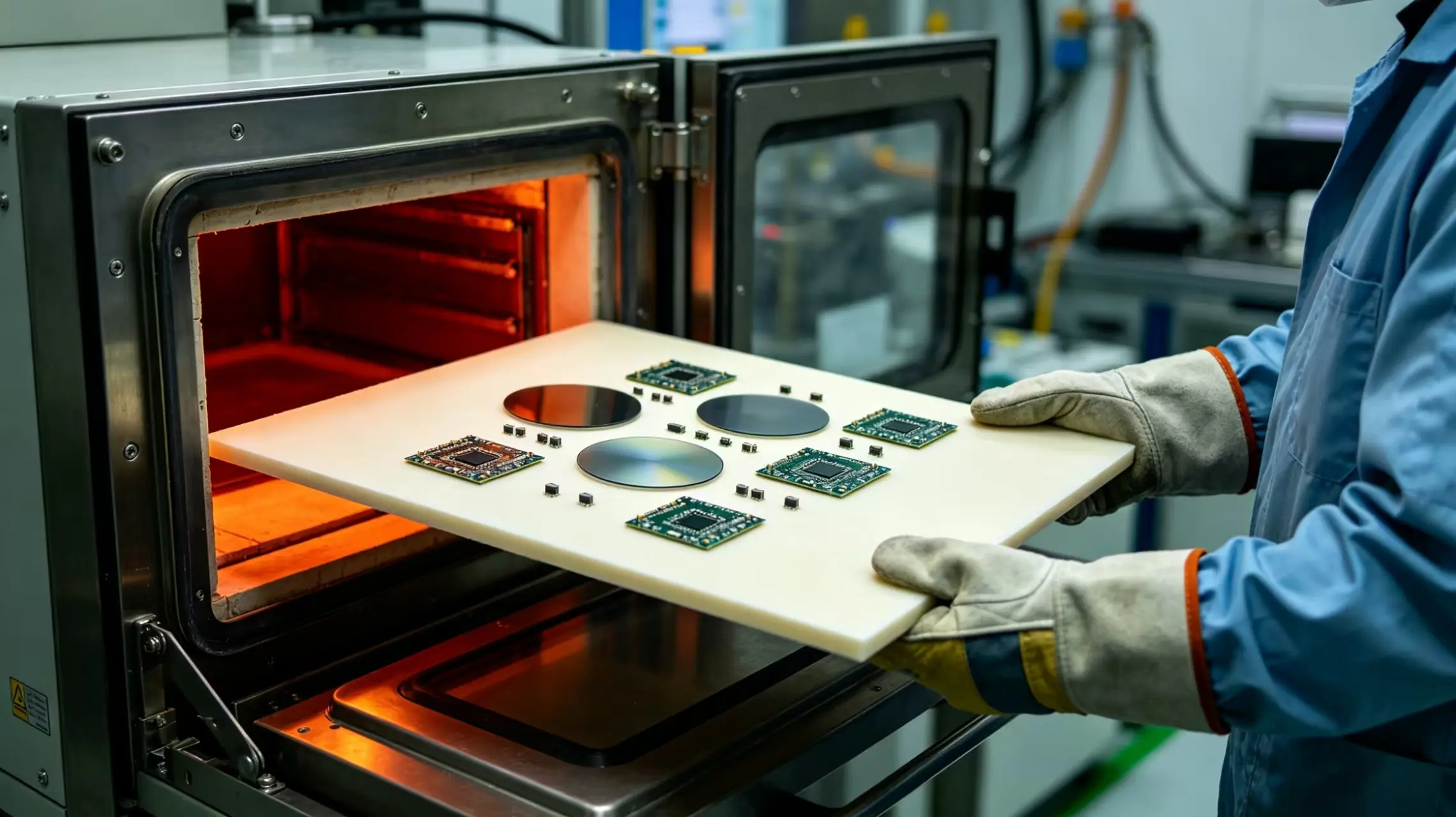
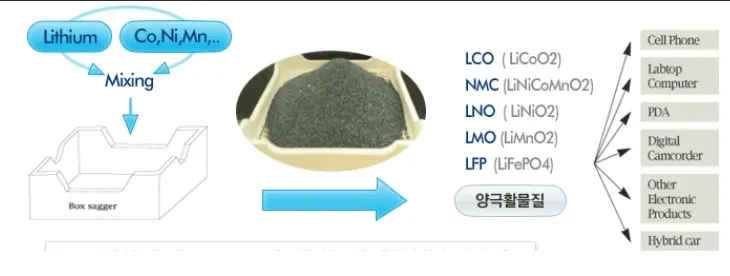
The electronic materials industry also benefits significantly from corundum kiln furniture. Manufacturing processes for electronic components—such as piezoelectric ceramics, ferrite cores, and semiconductor materials—require ultra-high-temperature sintering in a contamination-free environment. Corundum’s low porosity and chemical inertness prevent reactions with sensitive electronic materials, preserving their electrical properties. For instance, in the production of lithium-ion battery cathodes, corundum crucibles and trays withstand temperatures above 1000°C while avoiding metal ion contamination, which is crucial for battery performance and safety.
Another vital application lies in the refractory materials industry. Refractory products themselves are designed for high-temperature environments, so their production requires kiln furniture that can match or exceed their heat resistance. Corundum kiln furniture is used to support refractory bricks, castables, and fibers during firing, enabling them to achieve desired density and strength. Its wear resistance also ensures long service life, even when in contact with abrasive refractory materials, reducing replacement costs and downtime for manufacturers.
Additionally, the glass and optical industry utilizes corundum kiln furniture for specialized processes. In the production of high-precision optical glass or specialty glass (e.g., quartz glass), corundum saggers and crucibles provide a non-reactive surface that prevents glass contamination. Their ability to maintain dimensional stability at temperatures up to 1800°C ensures consistent glass thickness and optical clarity, meeting the stringent requirements of aerospace, medical, and electronics sectors.
In summary, corundum kiln furniture plays a pivotal role in ceramics, electronic materials, refractories, and glass manufacturing. Its unique combination of high-temperature resistance, mechanical strength, and chemical stability addresses the core challenges of high-temperature processing, making it an irreplaceable material in industries that drive modern technology and manufacturing.