
Company News
0102030405
Kiln Furniture for Electronic Component Sintering: Ensuring Precision and Performance
2026-04-27
The Critical Role of Kiln Furniture
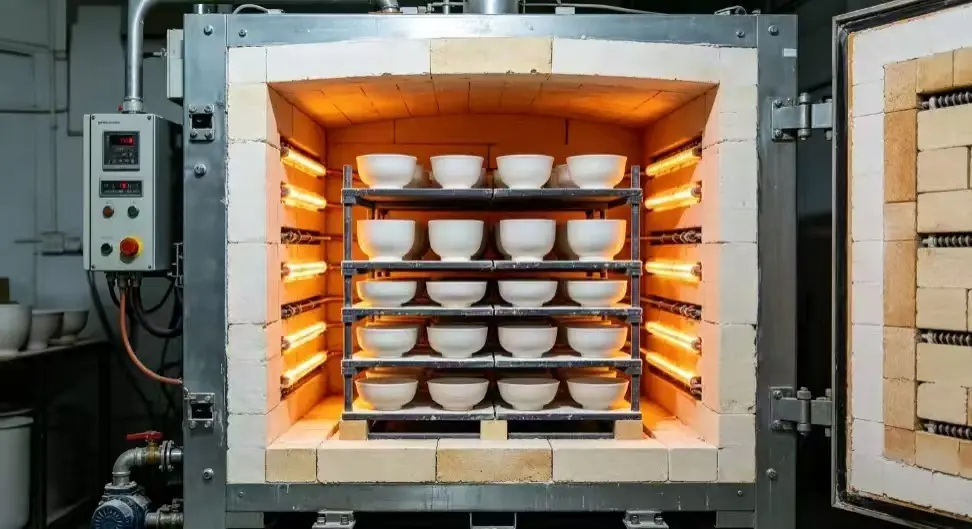
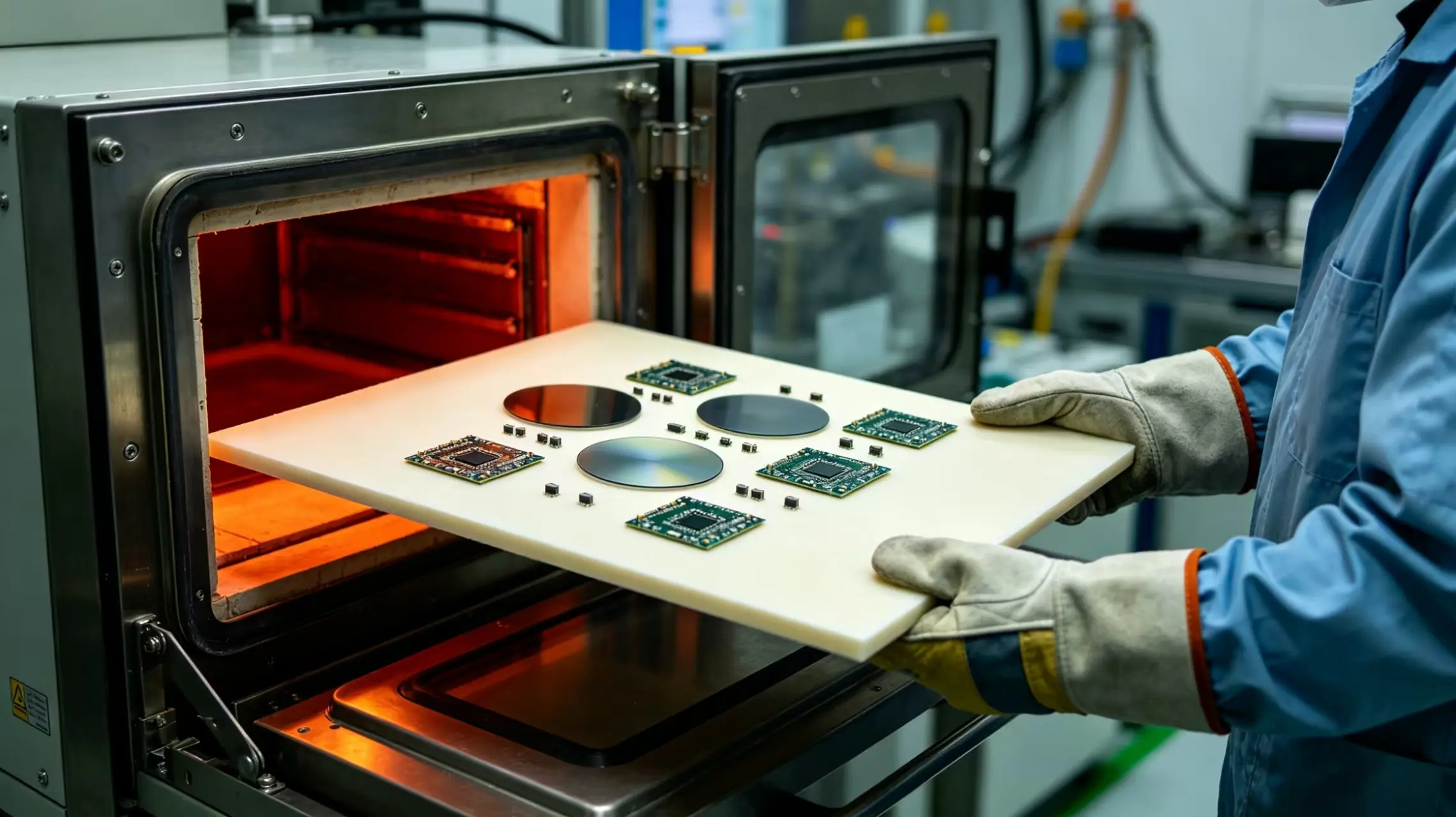
Kiln furniture serves several vital functions in an electronic sintering furnace. Primarily, it acts as a physical support system, holding components in place to prevent deformation under their own weight or the weight of stacked layers. Secondly, it ensures thermal uniformity. High-quality kiln furniture possesses specific thermal conductivity properties that help distribute heat evenly across the product, minimizing thermal gradients that could lead to cracking or warping. Finally, and perhaps most importantly, it provides chemical isolation. The furniture must not react with the electronic materials, preventing contamination that could degrade the dielectric, magnetic, or piezoelectric performance of the final component.
Common Materials and Their Applications
The choice of material for kiln furniture is dictated by the sintering temperature and the chemical nature of the electronic component.
Alumina (Al2O3)
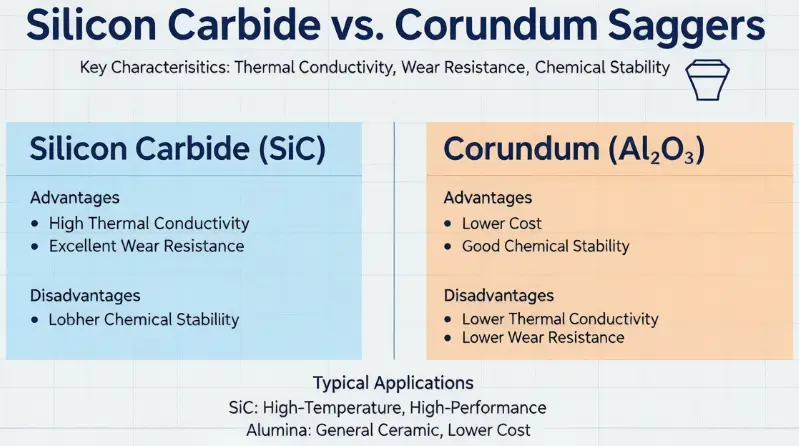
Alumina is the workhorse of the electronic ceramics industry. With a purity often exceeding 99%, high-alumina setters offer excellent mechanical strength and electrical insulation. They are cost-effective and suitable for sintering temperatures up to 1600°C. Alumina furniture is widely used for general electronic ceramics, substrates, and insulators where extreme thermal shock is not the primary concern.
Alumina is the workhorse of the electronic ceramics industry. With a purity often exceeding 99%, high-alumina setters offer excellent mechanical strength and electrical insulation. They are cost-effective and suitable for sintering temperatures up to 1600°C. Alumina furniture is widely used for general electronic ceramics, substrates, and insulators where extreme thermal shock is not the primary concern.
Zirconia (ZrO2)
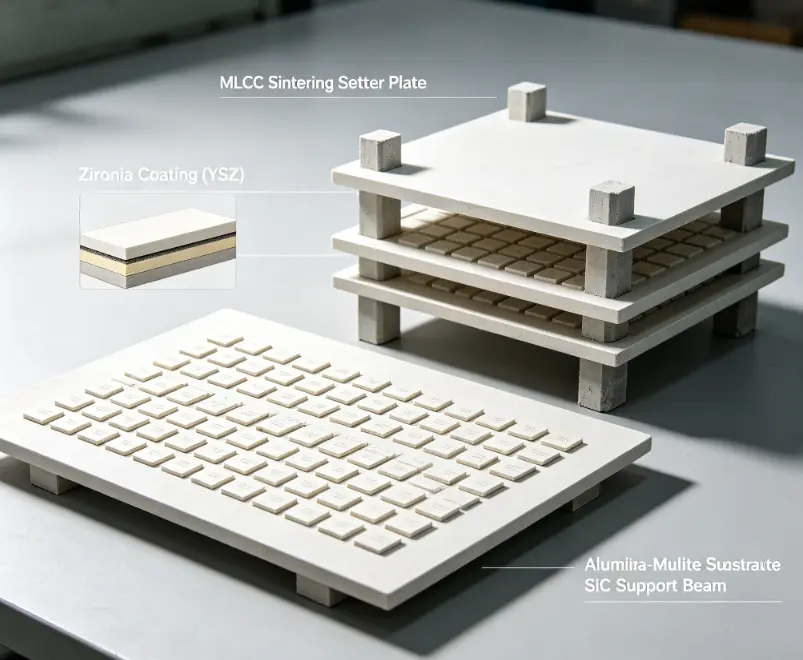
For applications requiring superior fracture toughness and thermal shock resistance, Yttria-Stabilized Zirconia (YSZ) is the preferred choice. Zirconia furniture is chemically inert and does not react with alkaline materials, making it ideal for sintering sensitive components like Multi-Layer Ceramic Capacitors (MLCCs) and piezoelectric ceramics (PZT). Its low thermal conductivity also helps in maintaining specific thermal profiles required for these materials.
For applications requiring superior fracture toughness and thermal shock resistance, Yttria-Stabilized Zirconia (YSZ) is the preferred choice. Zirconia furniture is chemically inert and does not react with alkaline materials, making it ideal for sintering sensitive components like Multi-Layer Ceramic Capacitors (MLCCs) and piezoelectric ceramics (PZT). Its low thermal conductivity also helps in maintaining specific thermal profiles required for these materials.
Silicon Carbide (SiC)
When high thermal conductivity is essential, Silicon Carbide is unmatched. SiC furniture ensures rapid heat transfer, which is crucial for fast-firing cycles and maintaining uniform temperatures across large loads. It is exceptionally strong and resistant to creep at high temperatures. However, due to its electrical conductivity and potential reactivity with certain metals, its use is often restricted to specific applications or requires protective coatings.
When high thermal conductivity is essential, Silicon Carbide is unmatched. SiC furniture ensures rapid heat transfer, which is crucial for fast-firing cycles and maintaining uniform temperatures across large loads. It is exceptionally strong and resistant to creep at high temperatures. However, due to its electrical conductivity and potential reactivity with certain metals, its use is often restricted to specific applications or requires protective coatings.
Cordierite-Mullite
This composite material offers a balanced combination of low thermal expansion and good mechanical strength. It is frequently used in the sintering of ferrites and resistors, where its ability to withstand rapid temperature changes without cracking is highly valued.
This composite material offers a balanced combination of low thermal expansion and good mechanical strength. It is frequently used in the sintering of ferrites and resistors, where its ability to withstand rapid temperature changes without cracking is highly valued.
Types of Kiln Furniture
The physical form of the furniture is as diverse as the components they support.
Setter Plates and Boards
These flat surfaces provide the base for components. They are often designed with specific surface finishes to prevent sticking, sometimes utilizing plasma-sprayed coatings to create a non-reactive barrier.
These flat surfaces provide the base for components. They are often designed with specific surface finishes to prevent sticking, sometimes utilizing plasma-sprayed coatings to create a non-reactive barrier.
Saggars
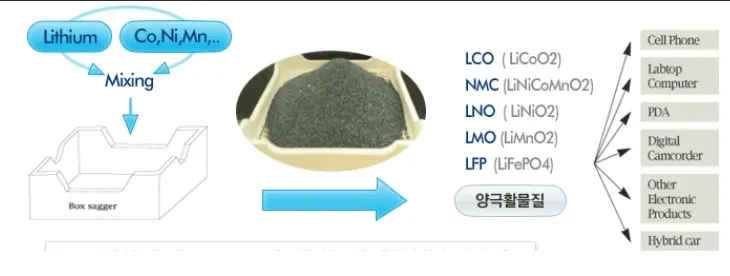
For powder materials or components that release volatiles during sintering, enclosed containers called saggars are used. These protect the furnace atmosphere from contamination and shield the product from direct flame or gas impingement.
For powder materials or components that release volatiles during sintering, enclosed containers called saggars are used. These protect the furnace atmosphere from contamination and shield the product from direct flame or gas impingement.
Posts and Beams
In tunnel kilns or shuttle kilns, heavy-duty beams and posts made of high-strength materials like SiC or dense alumina support the weight of multiple layers of setter plates, maximizing furnace volume utilization.
In tunnel kilns or shuttle kilns, heavy-duty beams and posts made of high-strength materials like SiC or dense alumina support the weight of multiple layers of setter plates, maximizing furnace volume utilization.
Conclusion
The selection of kiln furniture is a strategic decision in electronic manufacturing. It requires a deep understanding of material science to balance thermal, chemical, and mechanical requirements. By utilizing advanced ceramics like alumina, zirconia, and silicon carbide, manufacturers can ensure that their electronic components emerge from the kiln with the precise dimensions and superior properties required by modern technology. As electronic devices become smaller and more complex, the role of high-precision kiln furniture will only continue to grow in importance.