
Company News
0102030405
Kiln Furniture for Piezoelectric Ceramic Sintering: A Material Selection Guide
2026-05-08
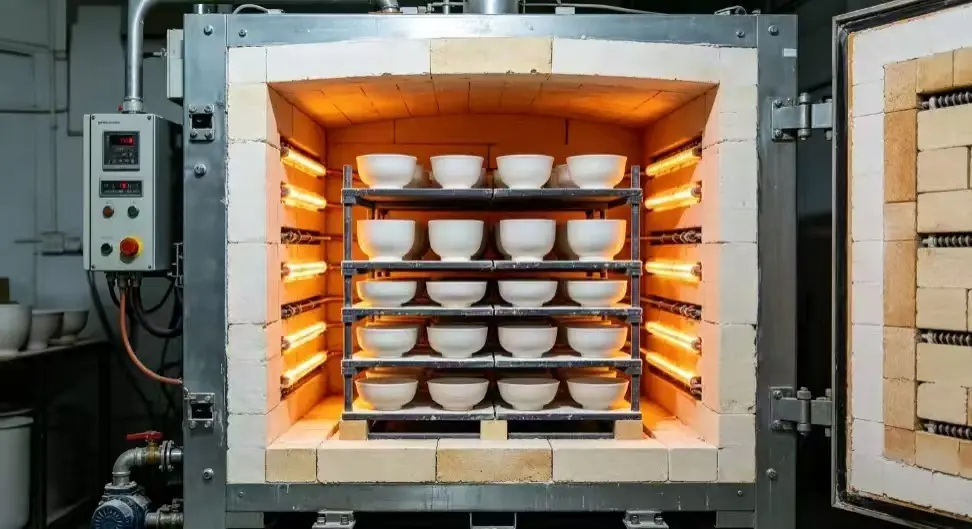
The primary challenge arises from the chemical reactivity of piezoelectric ceramics at high temperatures. PZT, for instance, contains volatile lead oxide (PbO), which begins to vaporize significantly above 800°C. This lead vapor can attack and react with common refractory materials. Furthermore, the ceramics themselves can be highly corrosive; barium titanate, with its low melting point (1625°C) and alkaline nature, readily reacts with traditional aluminosilicate kiln furniture, leading to product contamination and adhesion. Therefore, the ideal Kiln Furniture must be chemically inert, possess high mechanical strength at temperature, exhibit excellent thermal shock resistance, and maintain dimensional stability over repeated thermal cycles.
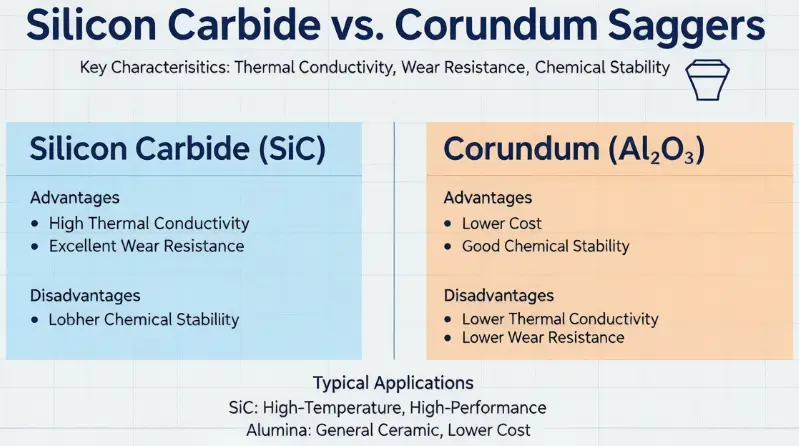
For these demanding applications, several advanced materials have emerged as industry standards. High-purity alumina (Al₂O₃) , particularly in its corundum form, is a widely used choice. It offers exceptional high-temperature strength (usable above 1650°C), excellent hardness, and good resistance to corrosion. However, pure alumina has relatively poor thermal shock resistance, which can lead to cracking under rapid heating or cooling. To mitigate this, alumina-mullite composites are often employed. By combining the low thermal expansion of mullite with the strength of alumina, these composites achieve a superior balance of thermal shock resistance and mechanical integrity, making them suitable for a wide range of piezoelectric ceramics, including conductive ceramics and insulating ceramics sintered between 1400°C and 1650°C.
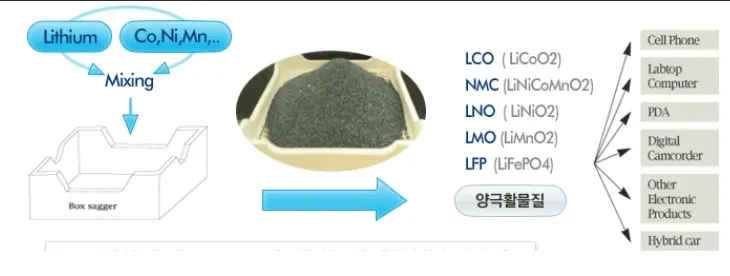
For the most chemically aggressive materials, zirconia (ZrO₂) -based kiln furniture is the preferred solution. Yttria-stabilized zirconia (YSZ), such as the ZR-8Y grade (containing 8 mol% Y₂O₃), offers unparalleled chemical inertness and corrosion resistance. It is the material of choice for sintering ferrite ceramics at temperatures above 1450°C, where other materials like silicon carbide would react, and for preventing the loss of electromagnetic properties in electronic components. Zirconia’s high density and low creep also make it ideal for precision applications like sintering PZT and lithium battery materials, where contamination must be avoided at all costs. Its maximum service temperature can reach 1850°C, though its higher cost often limits its use to critical applications.
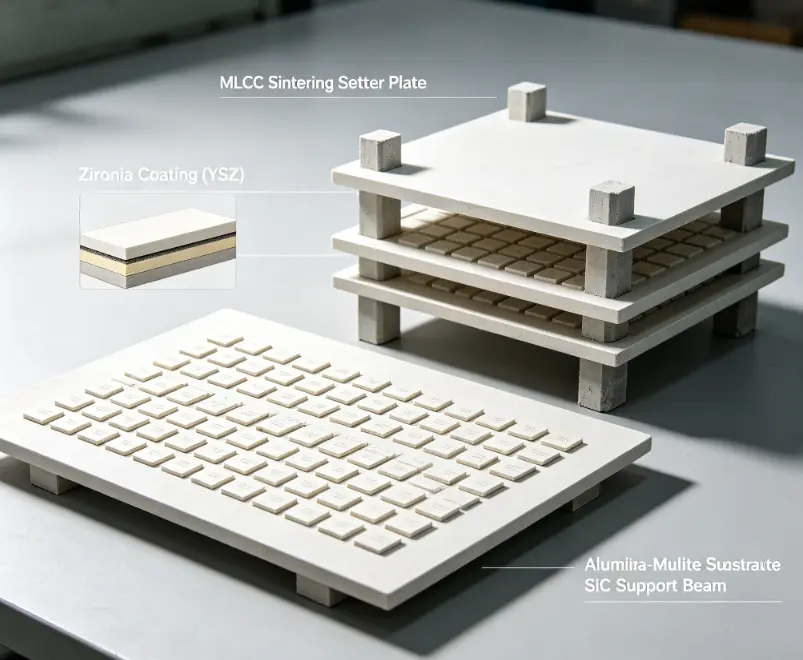
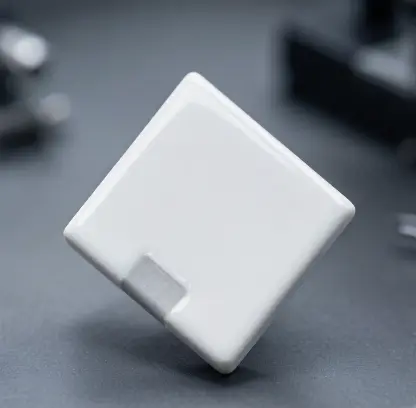
In recent years, innovative solutions have been developed to combine the benefits of different materials. For example, advanced setters for barium titanate ceramics now feature a layered structure: a core of robust alumina-mullite for mechanical support, coated with a dense zirconia layer applied via plasma spraying. This "composite" approach provides the necessary thermal shock resistance and mechanical strength while ensuring a chemically inert surface that will not react with or stick to the delicate multilayer ceramic capacitors (MLCCs) being fired.
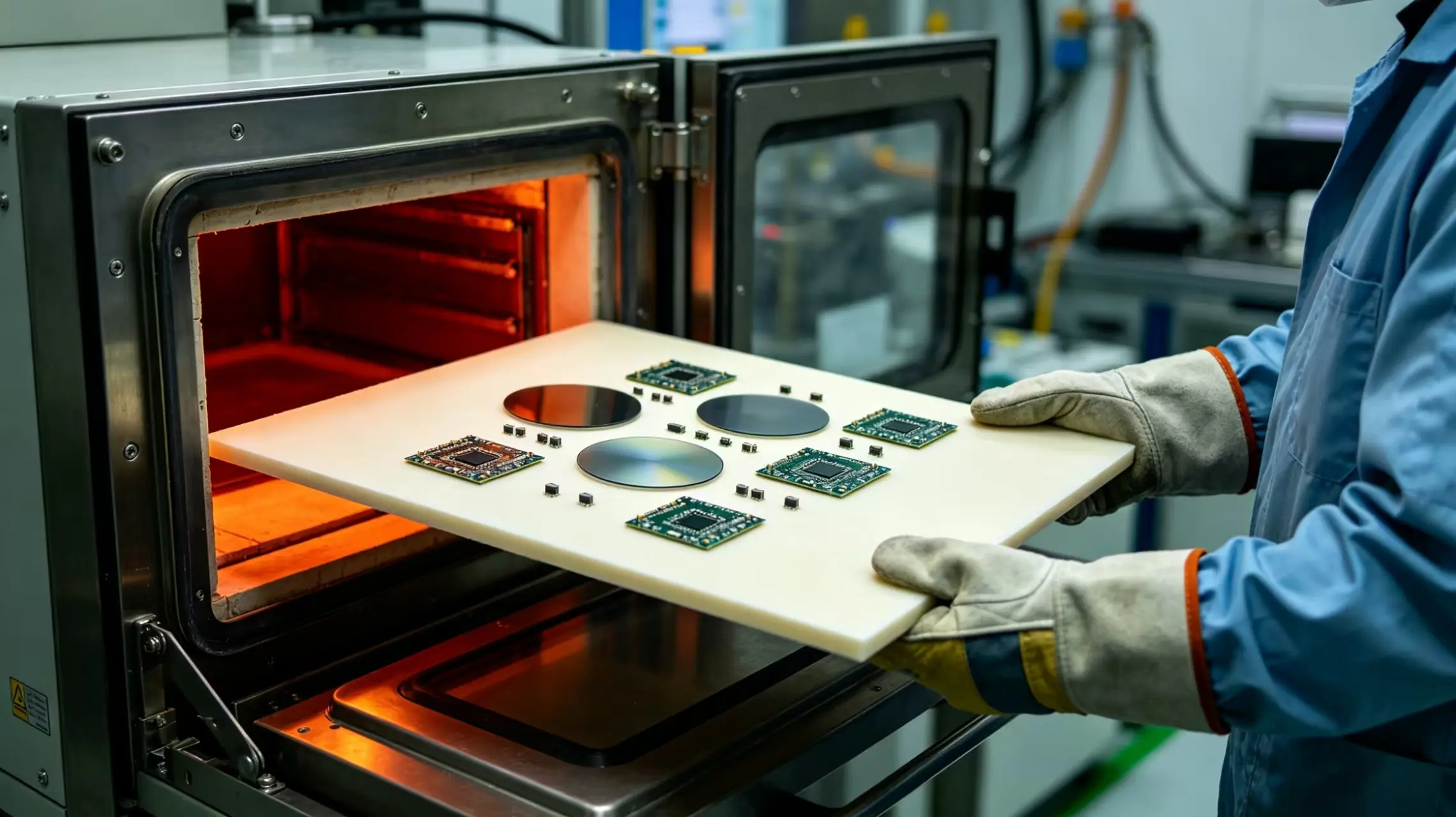
Beyond the material itself, the design and preparation of the kiln furniture are equally important. To protect the silver electrodes on multilayer piezoelectric ceramic sheets, a "buried powder" sintering method is often used. In this process, the ceramic parts are embedded in a powder of the same composition, which is placed on a setter plate and covered with an Alumina Plate to apply a uniform weight. This technique helps to suppress lead volatilization and ensures the electrodes remain bright and intact. The choice of kiln furniture, therefore, is a holistic decision that must account for the specific ceramic composition, sintering temperature, atmosphere, and desired final properties, ensuring that the "unsung hero" of the kiln performs its role flawlessly.