




Refractory Kiln Furniture in Architectural Ceramics Manufacturing
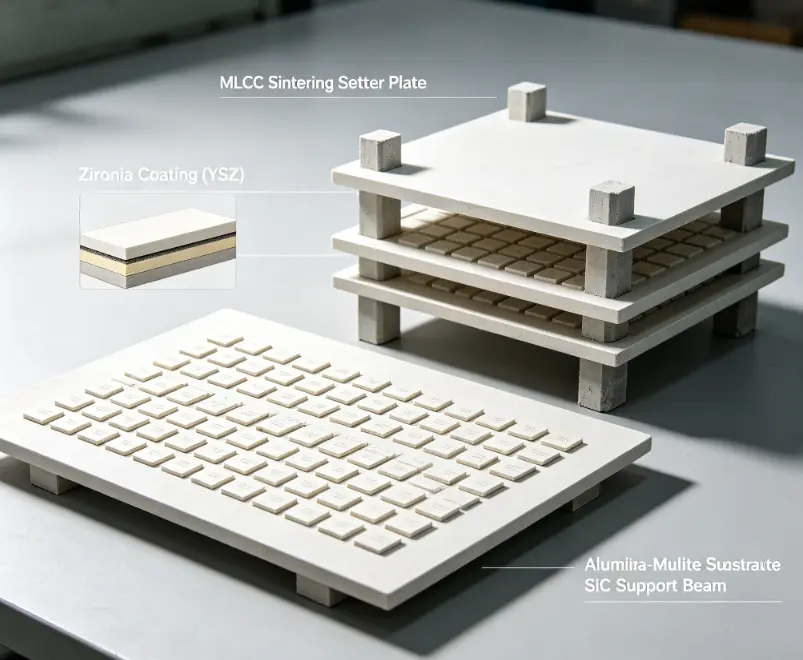
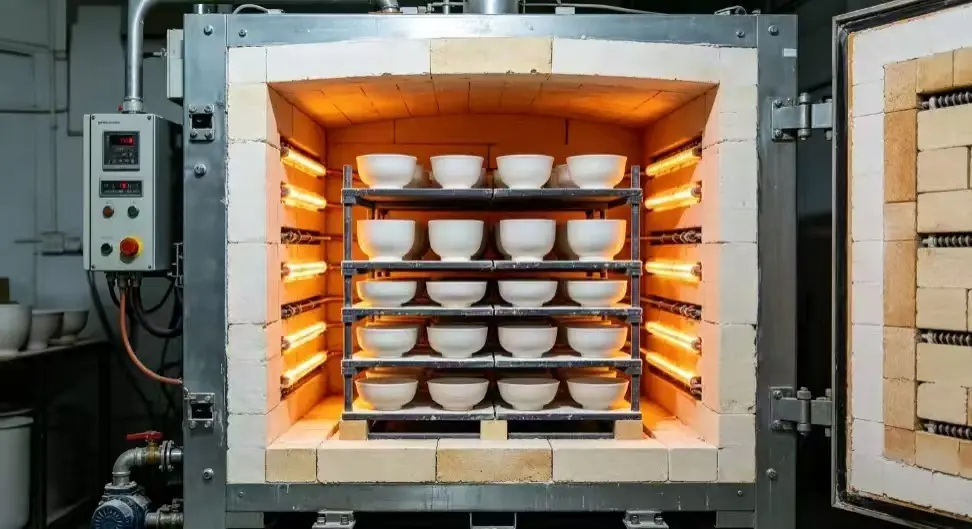
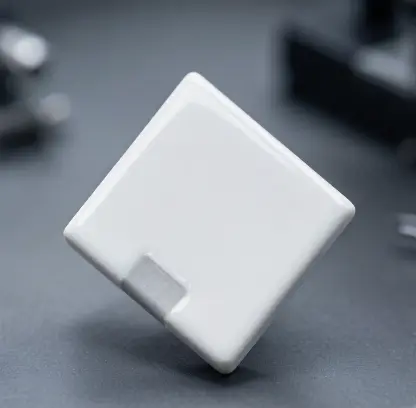
Common types of refractory Kiln Furniture include saggers, setters, kiln shelves, and batt pins, each tailored to specific firing requirements. Saggers, for instance, act as protective containers to shield delicate ceramic pieces from direct flame, dust, and glaze contamination during the firing cycle. Setters and kiln shelves provide stable, flat platforms for arranging ceramic products, maximizing kiln space utilization and ensuring uniform heat distribution across every piece. Batt pins, on the other hand, are used to elevate ceramic items, facilitating better air circulation and preventing sticking between the products and the furniture surface.
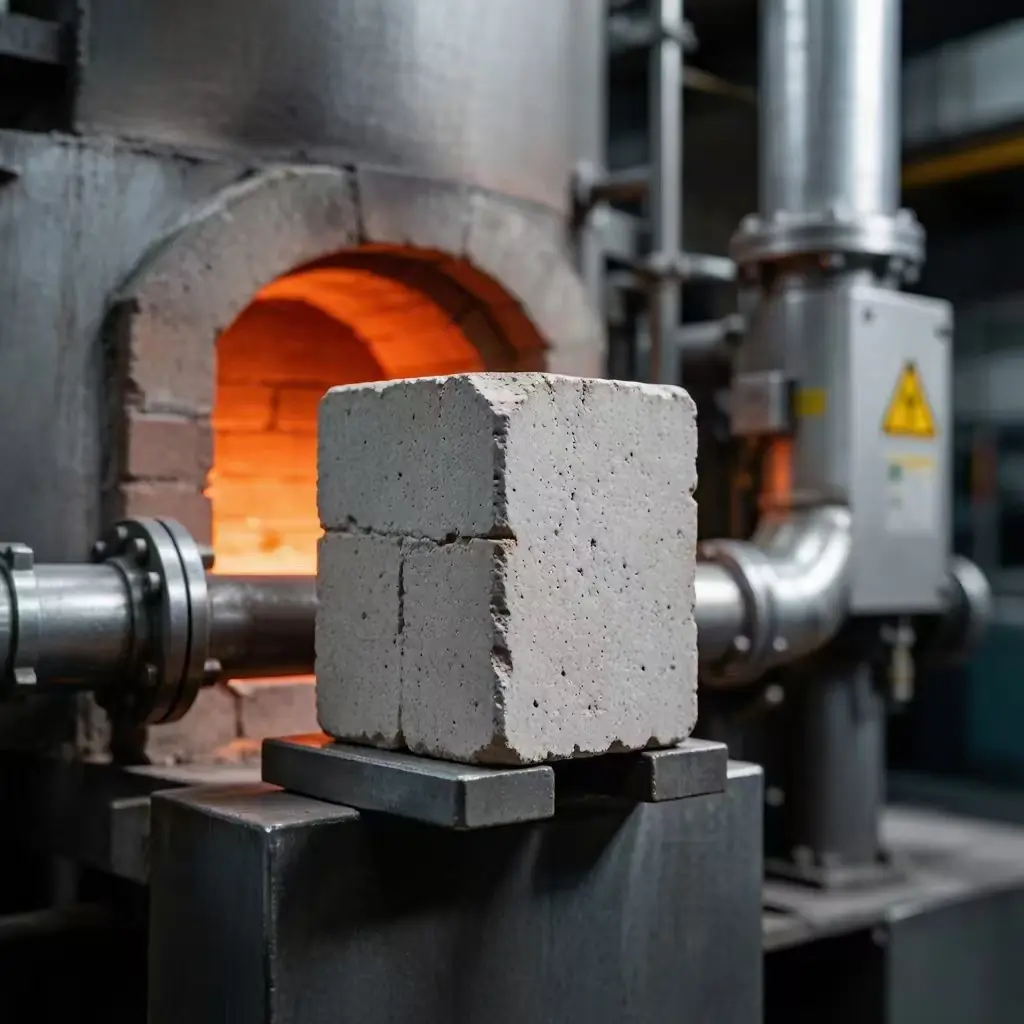
Beyond thermal stability, the design and material selection of refractory kiln furniture directly impact the efficiency and cost-effectiveness of architectural ceramics manufacturing. Lightweight, high-strength SiC-based kiln furniture, for example, reduces energy consumption by lowering the overall thermal mass of the kiln load, while its excellent thermal conductivity promotes faster heating and cooling rates. Additionally, the durability of these refractory components minimizes replacement frequency, cutting down production downtime and operational costs.
In modern architectural ceramics production, advanced refractory kiln furniture is also aligned with sustainable manufacturing goals. Many manufacturers now adopt recyclable refractory materials and optimize furniture designs to extend service life, reducing waste generation and carbon footprint. As the demand for high-performance, aesthetically appealing architectural ceramics continues to grow, the development of innovative refractory kiln furniture remains a key focus for enhancing production efficiency and product quality in the industry.