



Refractory kiln furniture in the glass manufacturing industry
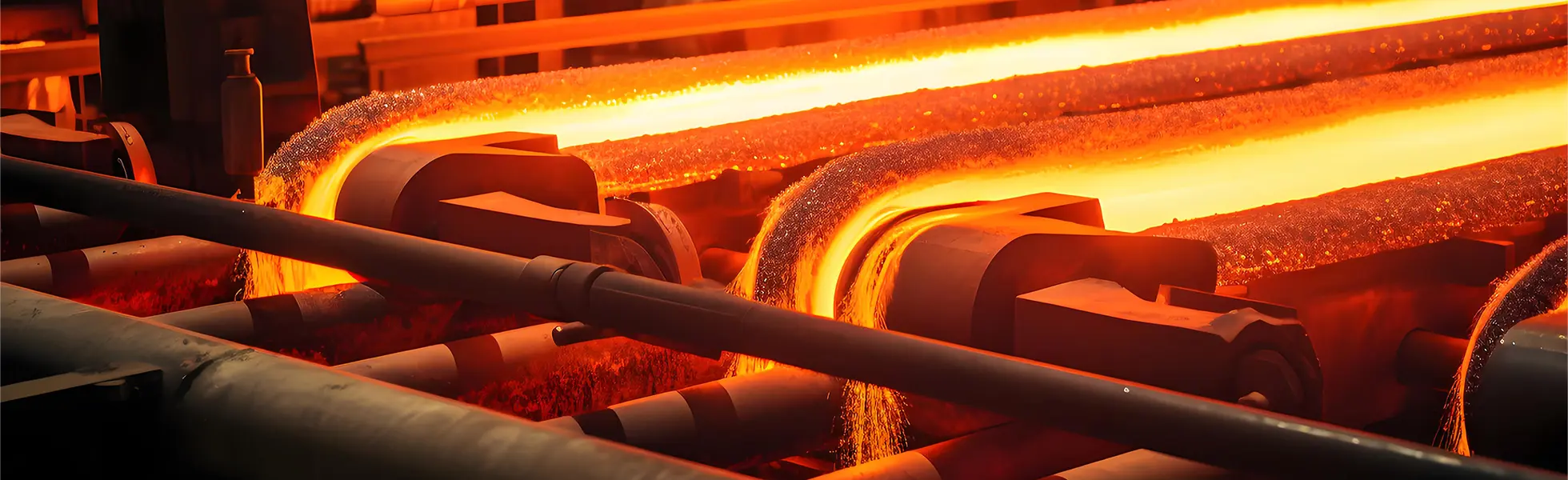
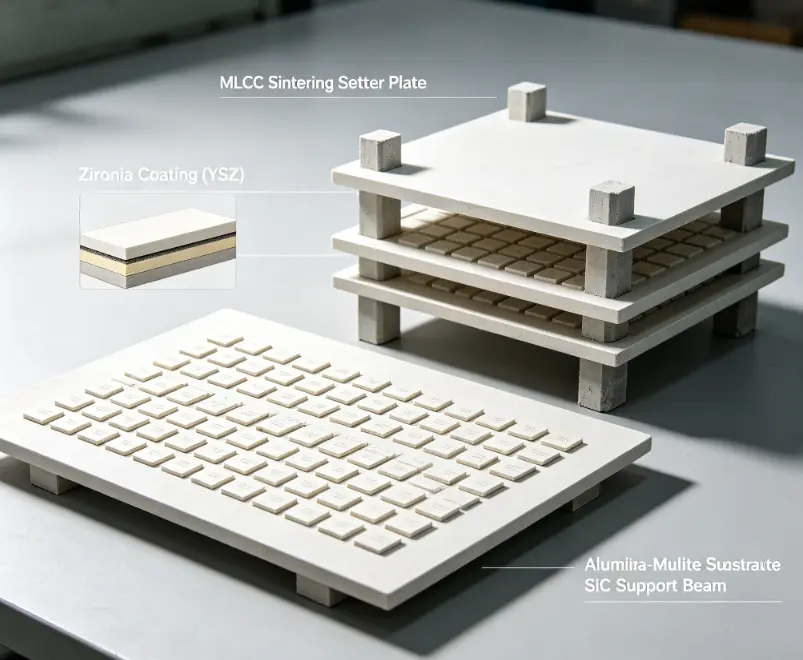
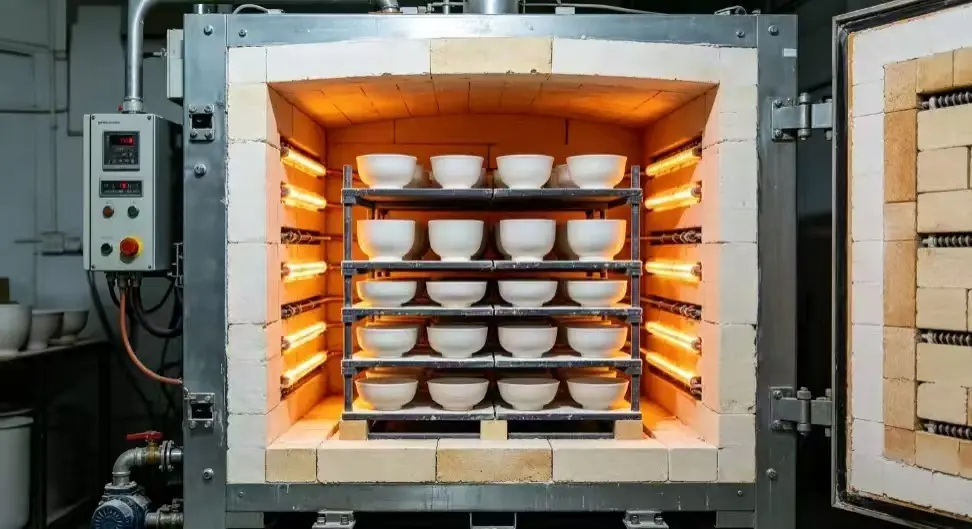
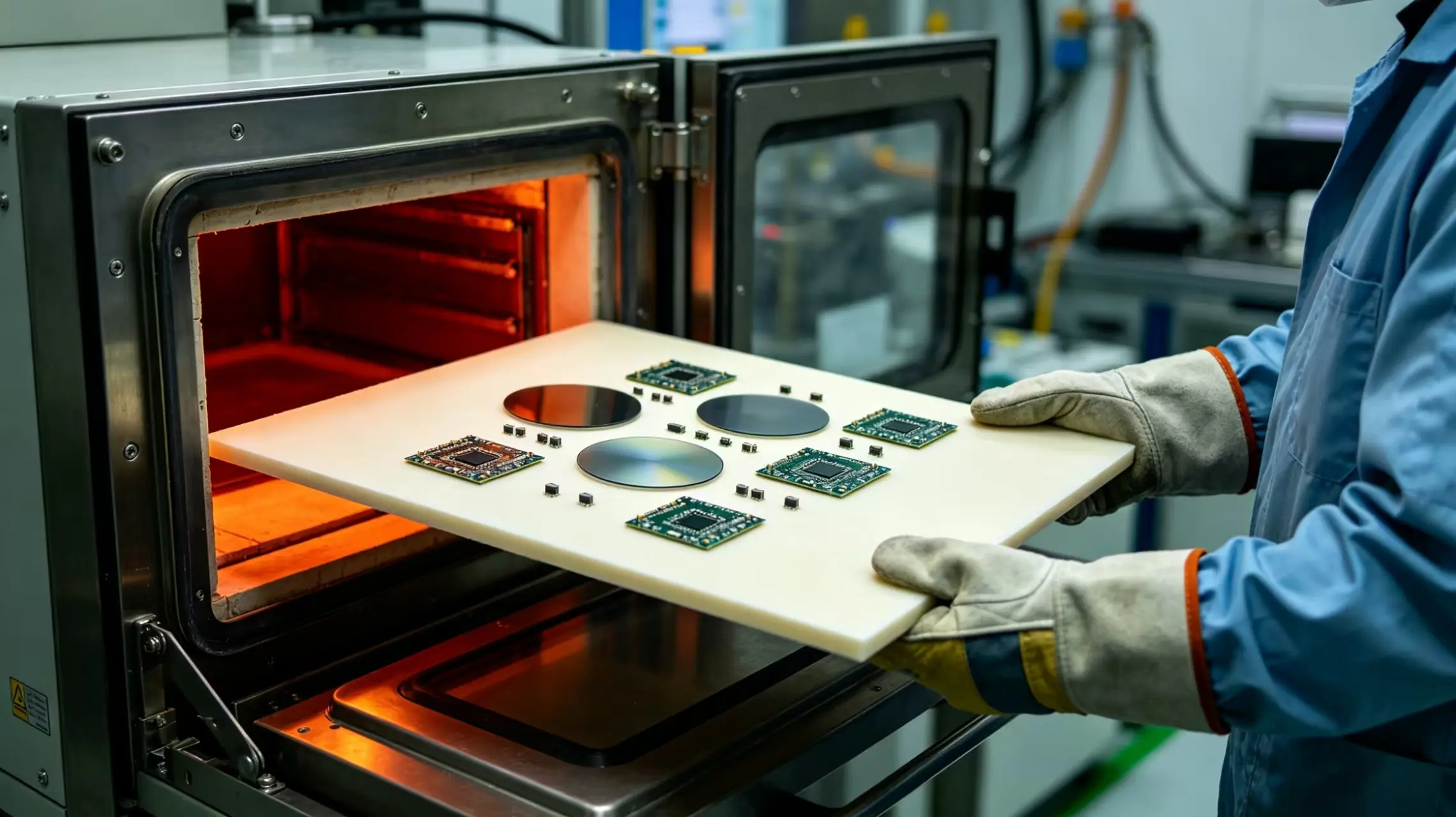
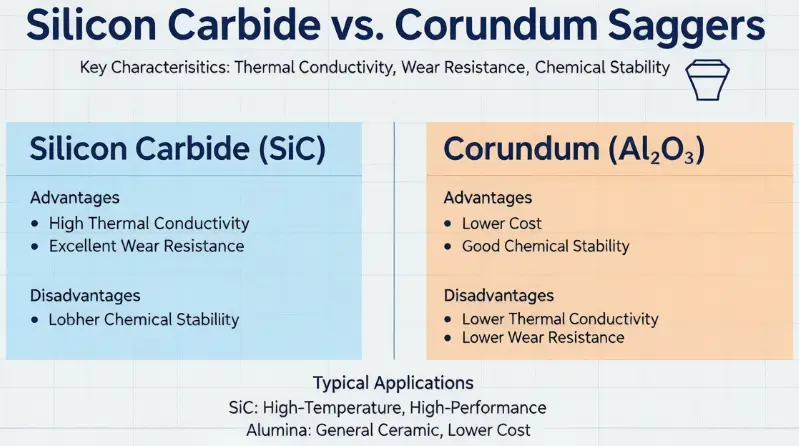
Unlike the pottery or ceramics industries, where kiln furniture primarily supports relatively stable clay bodies, in glass manufacturing, these components must contend with a unique set of challenges: contact with molten or softened glass, extreme thermal cycles, and the need to maintain dimensional stability under intense heat to preserve product integrity. The primary forms of kiln furniture used are saddles for glass fiber production, molds for precision glassware, pusher plates and beams for continuous lehrs (annealing ovens), and a variety of setters, posts, and cassettes for batch annealing of items like tableware, decorative glass, and technical components. In the production of continuous glass filaments, for instance, refractory saddles with precisely drilled bushings are essential. They channel molten glass from the furnace into fine strands, requiring exceptional resistance to chemical corrosion from the specific glass composition and extreme thermal shock resistance as they are constantly heated while new, molten glass flows through them. For artistic glassware, borosilicate glass, or precision optical components, refractory molds made from high-purity materials like fused silica or zirconia are used to shape the molten glass. These molds must have an ultra-smooth surface finish to prevent any marking on the glass product and must not react chemically with the glass to avoid devitrification—the unwanted crystallization that clouds the surface. Within annealing lehrs, kiln furniture such as Ceramic Rollers in float glass plants or mesh belts and pusher plates in container glass facilities support the glass as it is carefully cooled to relieve internal stresses. This process is crucial for achieving the required mechanical strength and durability in the final product. The choice of refractory material is paramount and is tailored to the specific application and glass type. Common materials include sintered alumina, cordierite, mullite, silicon carbide, and fused cast refractories. Silicon carbide, for example, is prized for its high thermal conductivity and superior strength at elevated temperatures, making it ideal for fast-firing schedules. However, in oxidizing atmospheres, it must be often protected with a glaze to prevent degradation. Mullite and cordierite offer excellent thermal shock resistance, which is vital for batch kilns with frequent heating and cooling cycles. The performance of kiln furniture directly impacts manufacturing efficiency, energy consumption, and product quality. Warped, degraded, or contaminated kiln furniture can lead to product distortion, surface defects, and costly production downtime for replacement. Therefore, the ongoing development of advanced refractory materials with enhanced longevity, higher temperature capabilities, and improved resistance to chemical attack remains a key focus in advancing glass manufacturing technology.