

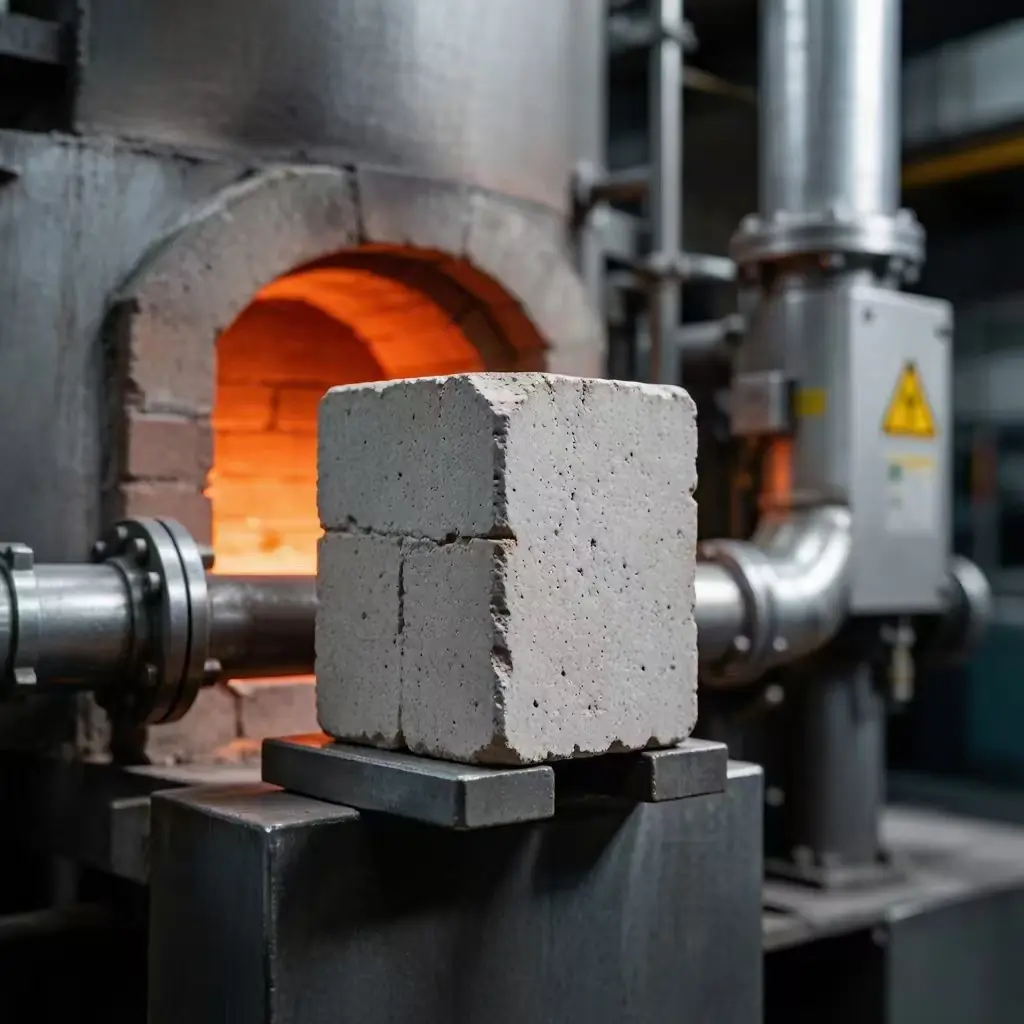
Sintering Furnace Furniture for Stainless Steel Components: Material Selection and Best Practices
The Challenge of Stainless Steel Sintering
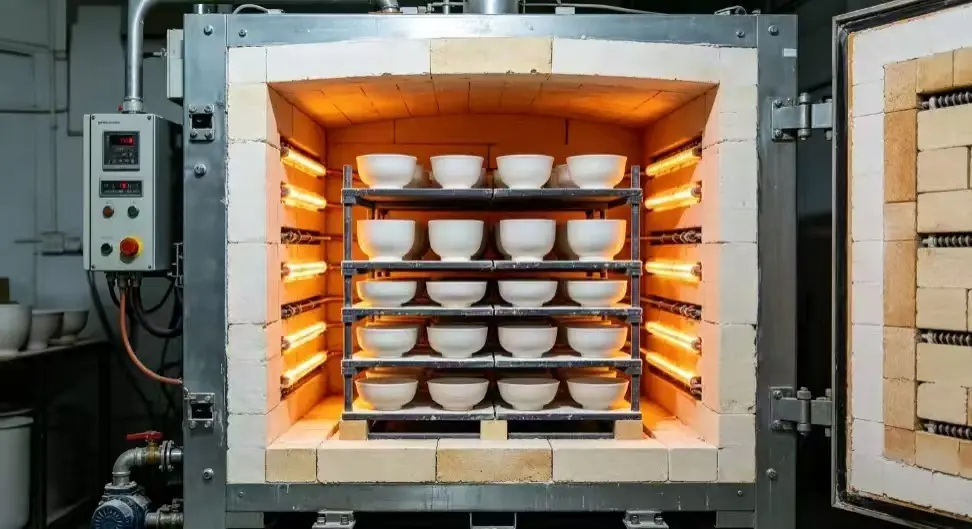
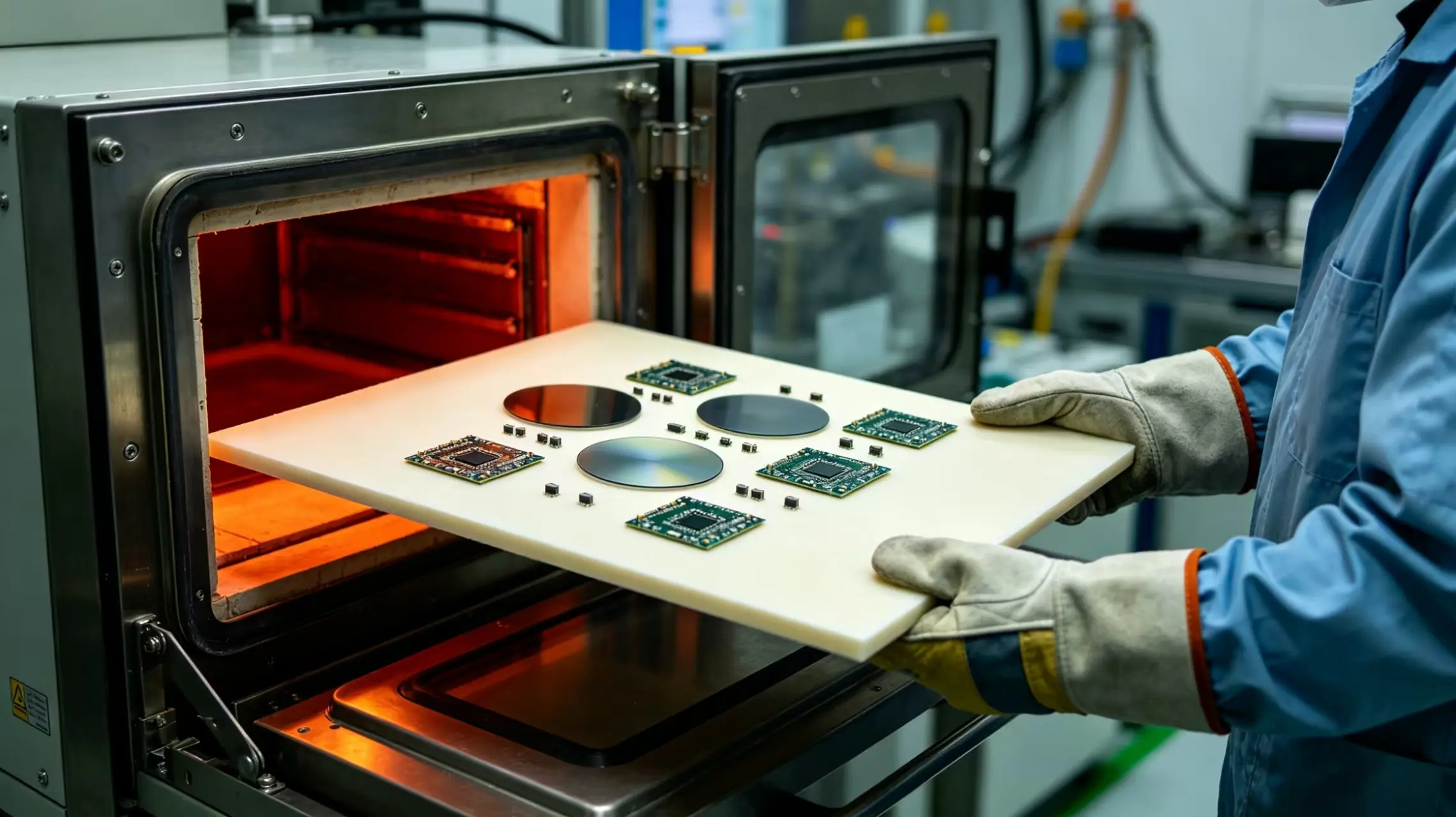
Stainless steel alloys (e.g., 316L, 304, 17-4 PH) are sintered at temperatures ranging from 1,280°C to 1,380°C in atmospheres of hydrogen, nitrogen, or high vacuum. These conditions create two major challenges for furnace furniture:
-
Chemical Reactivity: Stainless steel contains chromium (Cr), nickel (Ni), and molybdenum (Mo). At high temperatures, these elements readily react with silica (SiO₂) or carbonaceous materials, leading to "carburization" or "silicon staining" on the component surface.
-
Thermal Stress: Rapid heating and cooling cycles induce significant thermal shock, requiring furniture with exceptional thermal stability.
Recommended Furnace Furniture Materials
1. High-Purity Alumina (Al₂O₃ ≥ 99%) – The Gold Standard
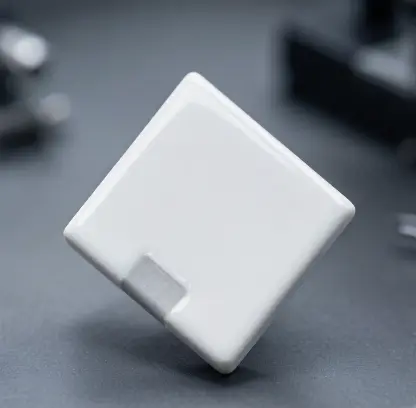
For MIM stainless steel, 99% alumina setter plates are the industry benchmark.
-
Why it works: Alumina is chemically inert and does not release volatile species that could diffuse into the stainless steel parts. It prevents surface defects such as pitting or discoloration.
-
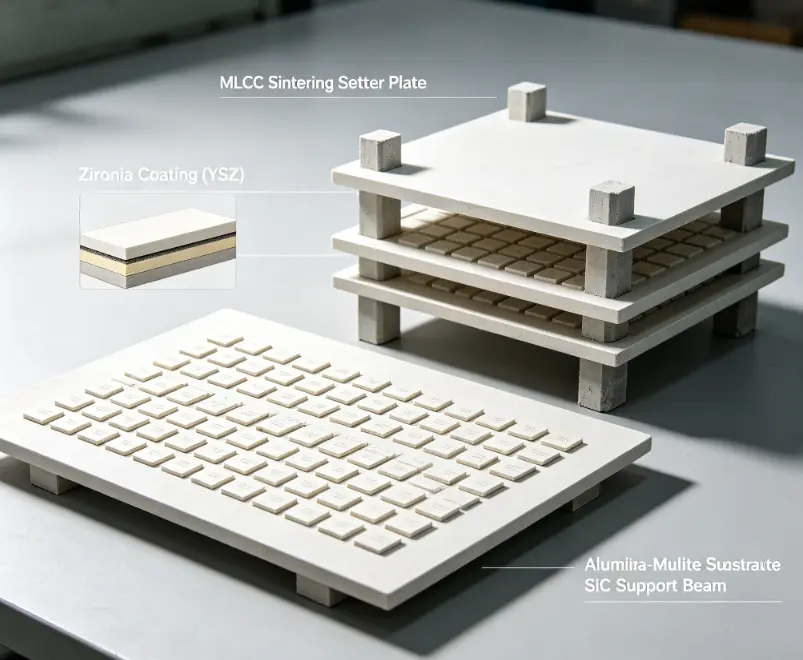
Structure: Porous Alumina is often preferred for the early stages of sintering to facilitate binder removal (debinding), while dense, polished plates are used for the final densification stage to ensure flatness.
-
Application: Direct contact with delicate MIM parts.
2. Corundum-Mullite Composites – The Cost-Effective Alternative
Composed of alumina and mullite, this material offers a balance between mechanical strength and affordability.
-
Use Case: Ideal for less critical PM stainless steel parts or as a structural support layer beneath high-purity Alumina Plates.
3. Silicon Carbide (SiC) – Use with Caution
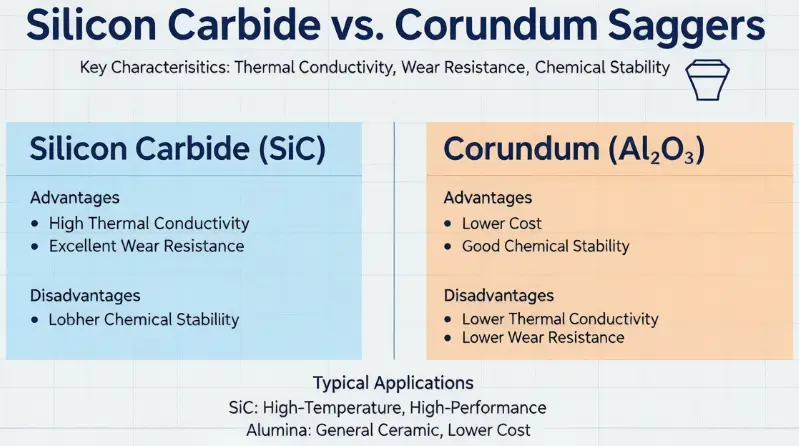
While SiC boasts excellent thermal conductivity and shock resistance, it is generally not recommended for direct contact with stainless steel in reducing atmospheres.
-
Risk: At high temperatures, SiC can release silicon vapor or form silicides with the alloy, causing surface embrittlement.
-
Safe Application: Used only as load-bearing beams or pusher plates in the lower sections of the furnace, separated from the parts by an alumina barrier.
4. Heat-Resistant Alloys (HK40 / 2520 Stainless Steel)
Metal trays made from nickel-chromium alloys are common in traditional PM sintering below 1,200°C. However, they suffer from oxidation scaling and creep deformation at MIM temperatures, making them unsuitable for high-end stainless steel components.
Best Practices for Furnace Operation
Pre-Coating (Wash Coat)
To further prevent sticking, setters are often coated with a thin layer of alumina-based wash coat. This sacrificial layer protects both the furniture and the parts during repeated cycles.
Thermal Cycling Management
Even with high-quality furniture, operators must manage ramp rates. A cooling rate exceeding 10°C/min can cause micro-cracking in both the setter plate and the stainless steel parts due to mismatched thermal expansion coefficients.
Cleaning and Maintenance
Spent binder residues (carbon deposits) must be burned off regularly in an oxidation cycle. Failure to clean setters leads to carbon pickup in subsequent batches, compromising corrosion resistance.
Conclusion
The selection of sintering furnace furniture for stainless steel is not merely a matter of mechanical support; it is a critical factor in metallurgical integrity. For precision MIM applications, 99% high-purity alumina remains the undisputed choice to ensure contamination-free, dimensionally stable components. As the demand for complex stainless steel parts grows in medical and aerospace sectors, investing in premium furnace furniture is essential to maintaining competitive quality standards.