
Sintering of Industrial Ceramics
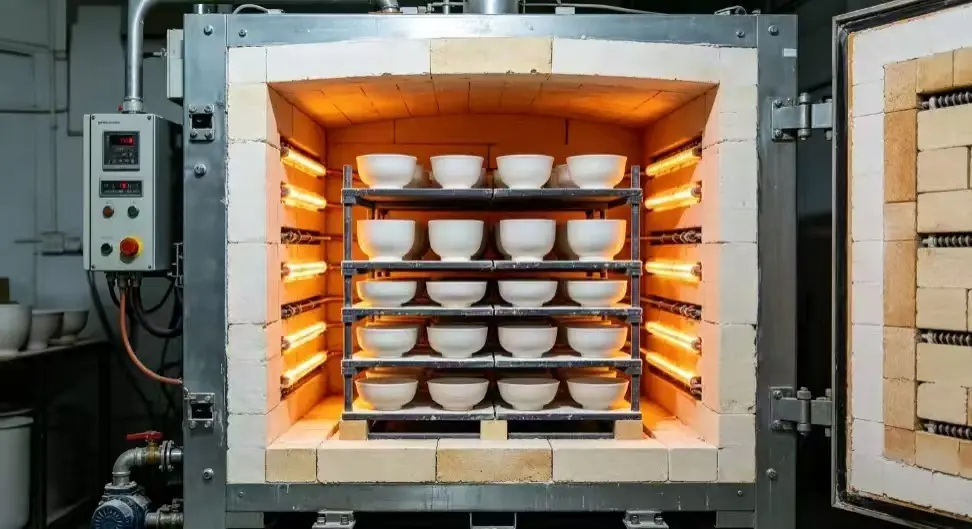
The sintering process typically occurs in three overlapping stages. In the initial stage, necks begin to form at the contact points between adjacent powder particles as atoms diffuse into the voids between them. This creates a solid network, but the compact remains highly porous. During the intermediate stage, these necks grow significantly, and the porosity, which was initially a interconnected network, begins to change into a more isolated, tubular structure. The material undergoes significant densification and shrinkage, which must be carefully accounted for in the initial product design. In the final stage, the isolated pores gradually shrink and become spherical. The primary goal here is to eliminate these remaining pores to achieve maximum density and prevent them from being trapped within growing grains, which can severely weaken the final product.
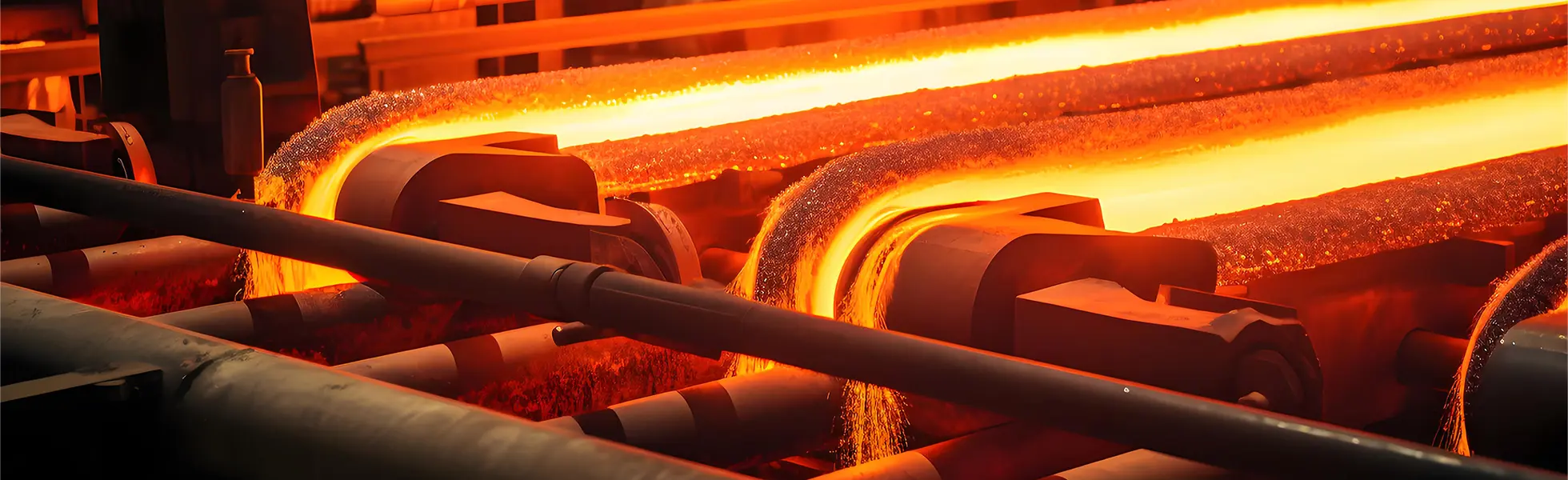
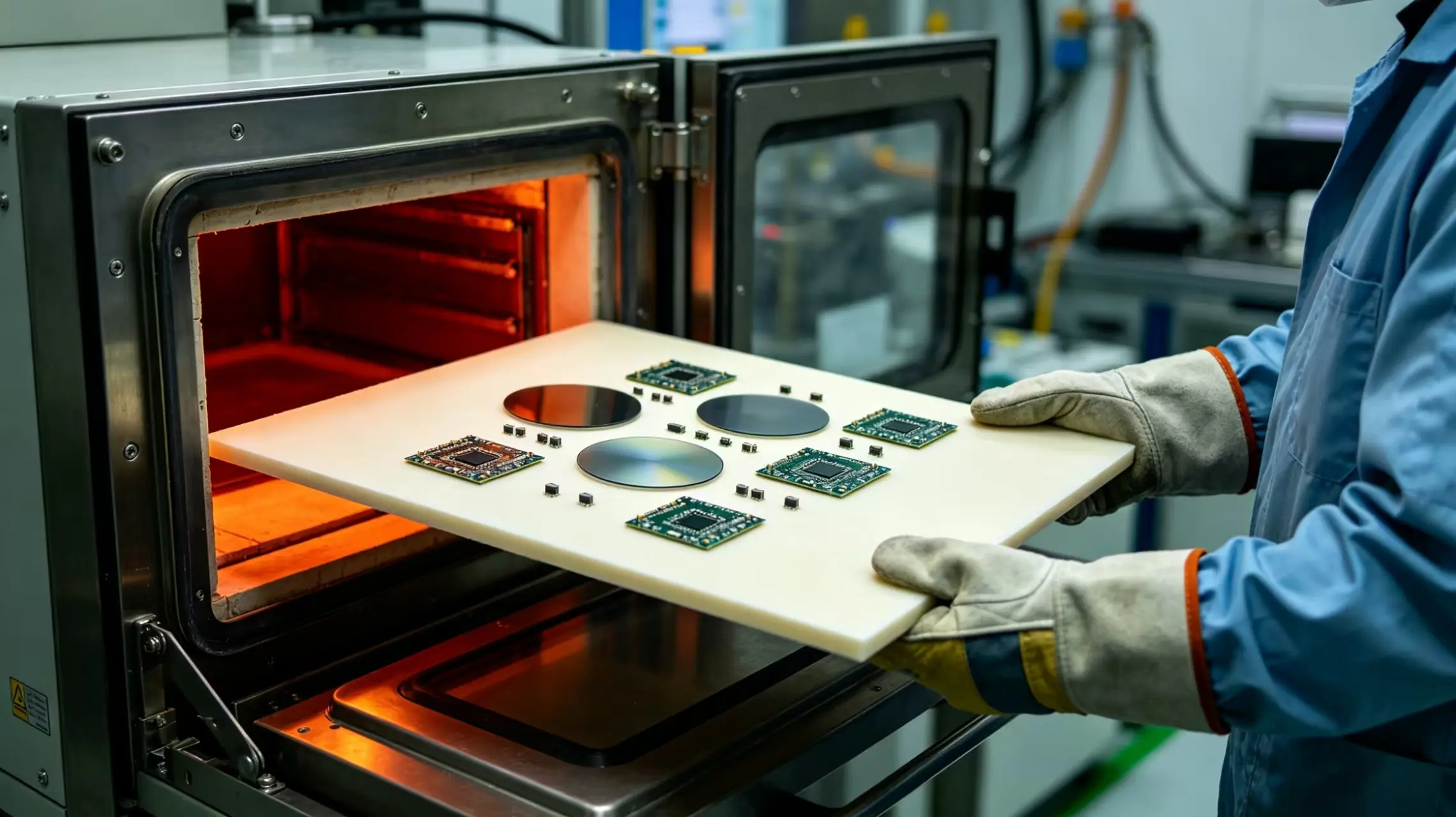
Several key parameters must be meticulously controlled to achieve the desired results. Temperature and time are the most fundamental; higher temperatures and longer hold times generally promote densification but must be balanced against the risk of excessive grain growth, which can degrade mechanical properties. The atmosphere within the kiln is equally crucial. It can be air, vacuum, or a controlled gas (e.g., nitrogen, hydrogen, or argon), and is selected to prevent unwanted chemical reactions, such as oxidation, or to facilitate the removal of binders and other processing aids used during shaping.
Advanced sintering techniques have been developed to achieve superior properties. Pressure-assisted sintering, such as Hot Pressing (HP) and Hot Isostatic Pressing (HIP), applies simultaneous heat and pressure. This allows for full densification at lower temperatures and in shorter times, resulting in ceramics with near-theoretical density and exceptionally fine, uniform microstructures. HIP, in particular, is used for producing critical components with high reliability, such as cutting tool inserts and biomedical implants.
In conclusion, sintering is far more than just 'firing'; it is a precisely engineered thermal treatment where time, temperature, and atmosphere are orchestrated to trigger controlled atomic movement. The mastery of this complex process is what enables the production of high-performance industrial ceramics capable of withstanding extreme mechanical, thermal, and chemical environments in applications ranging from aerospace and electronics to manufacturing and medicine.