
Company News



0102030405
The Backbone of High-Temperature Industry
2026-04-28
The Science of Stability: Alumina Content
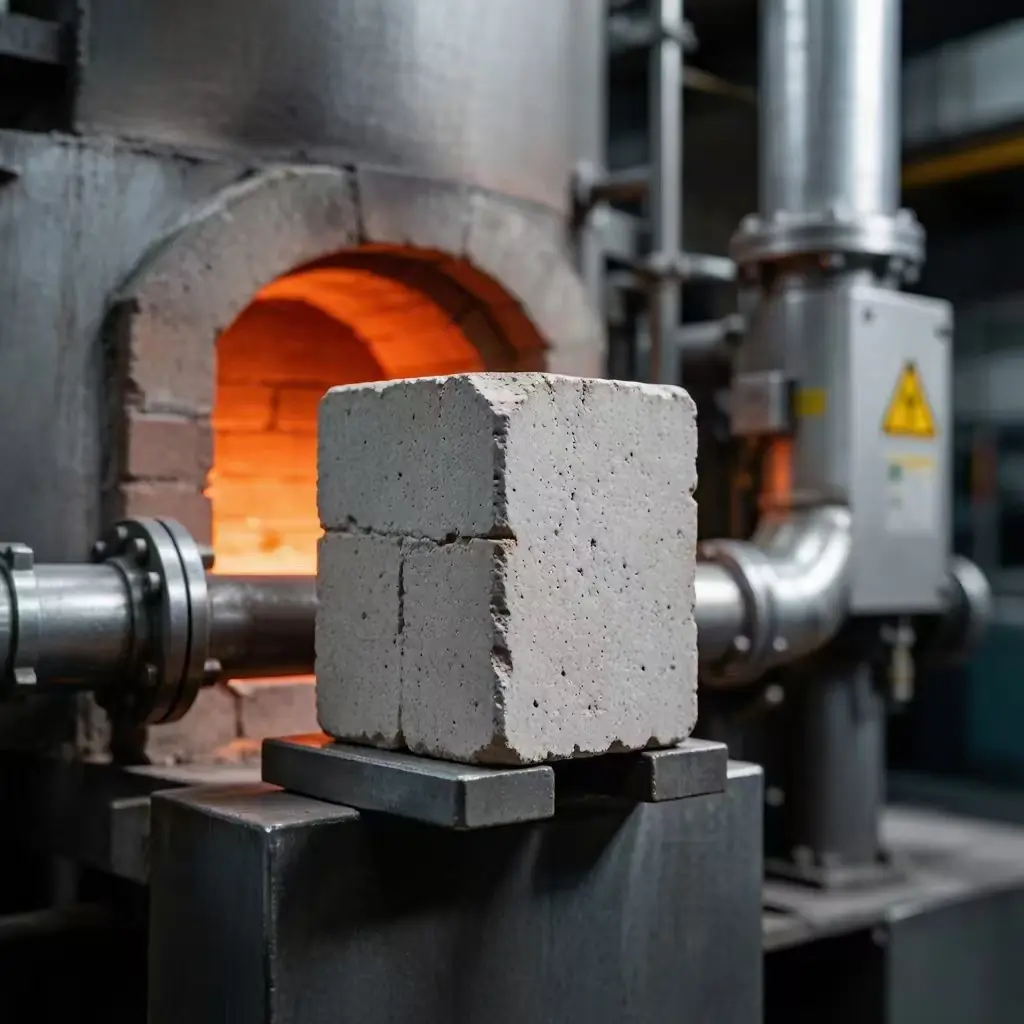
The defining characteristic of a Corundum brickis its chemical composition. Typically containing more than 90% alumina (Al₂O₃), these bricks possess a crystalline structure that grants them extraordinary properties. Unlike lower-grade fireclay bricks, which may soften or deform under extreme heat, Corundum Bricks maintain their shape and strength. This is measured by the Refractoriness Under Load (RUL), a metric where our Corundum bricks consistently exceed 1700℃. This ensures that the kiln lining remains stable, preventing structural collapse even during peak thermal loads.
Combating the Enemies of Refractories
A kiln lining faces three primary enemies: heat, abrasion, and corrosion. Corundum bricks are engineered to defeat all three:
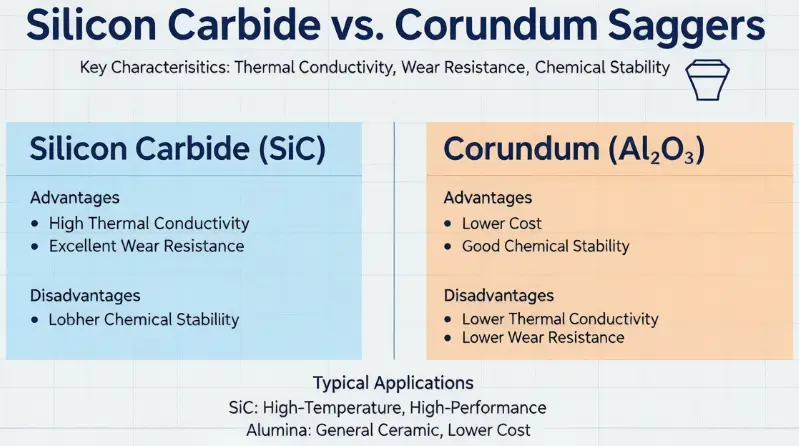
- Thermal Shock Resistance: Rapid heating and cooling cycles can cause cracks in inferior materials. Advanced Corundum formulations are designed to withstand these fluctuations, maintaining structural integrity.
- Abrasion Resistance: In kilns where solid materials are constantly moving, physical wear is a major issue. The high density and cold crushing strength of Corundum bricks make them incredibly resistant to mechanical erosion.
- Chemical Inertness: Perhaps most importantly, these bricks are highly resistant to chemical attack. Whether exposed to acidic or basic slags, or reactive atmospheres, Corundum remains inert, protecting the kiln shell from corrosive damage.
Versatility Across Industries
The application of Corundum bricks extends far beyond simple heat containment. They are critical components in several key sectors:
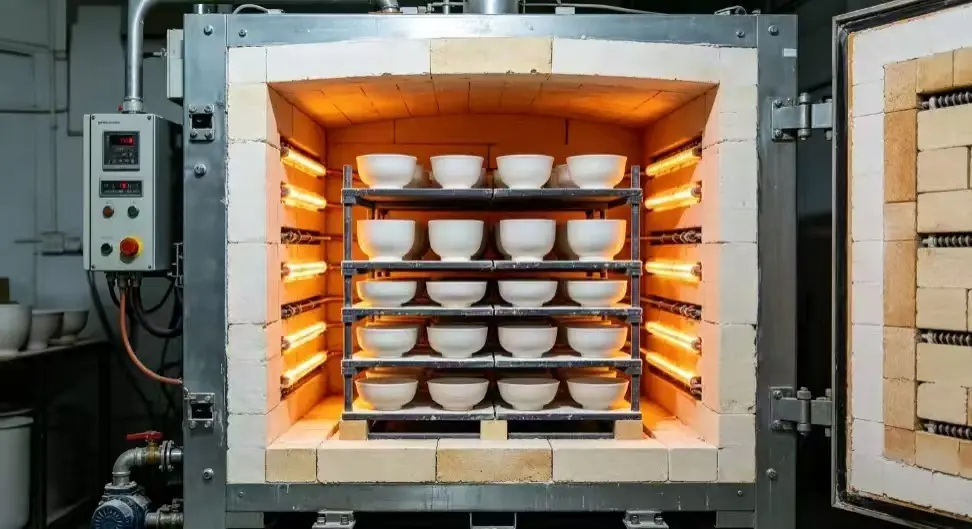
- Advanced Ceramics: For firing sanitary ware and Technical Ceramics where contamination must be avoided.
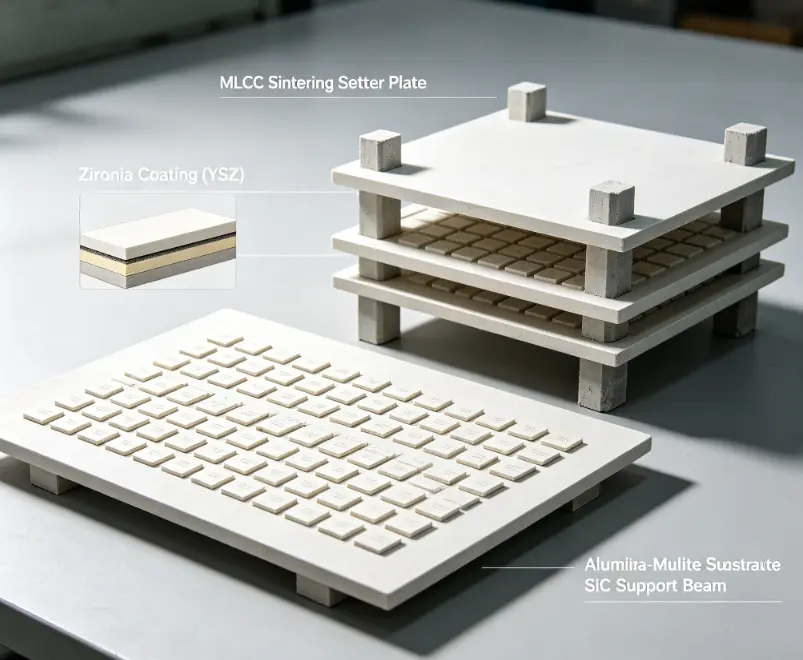
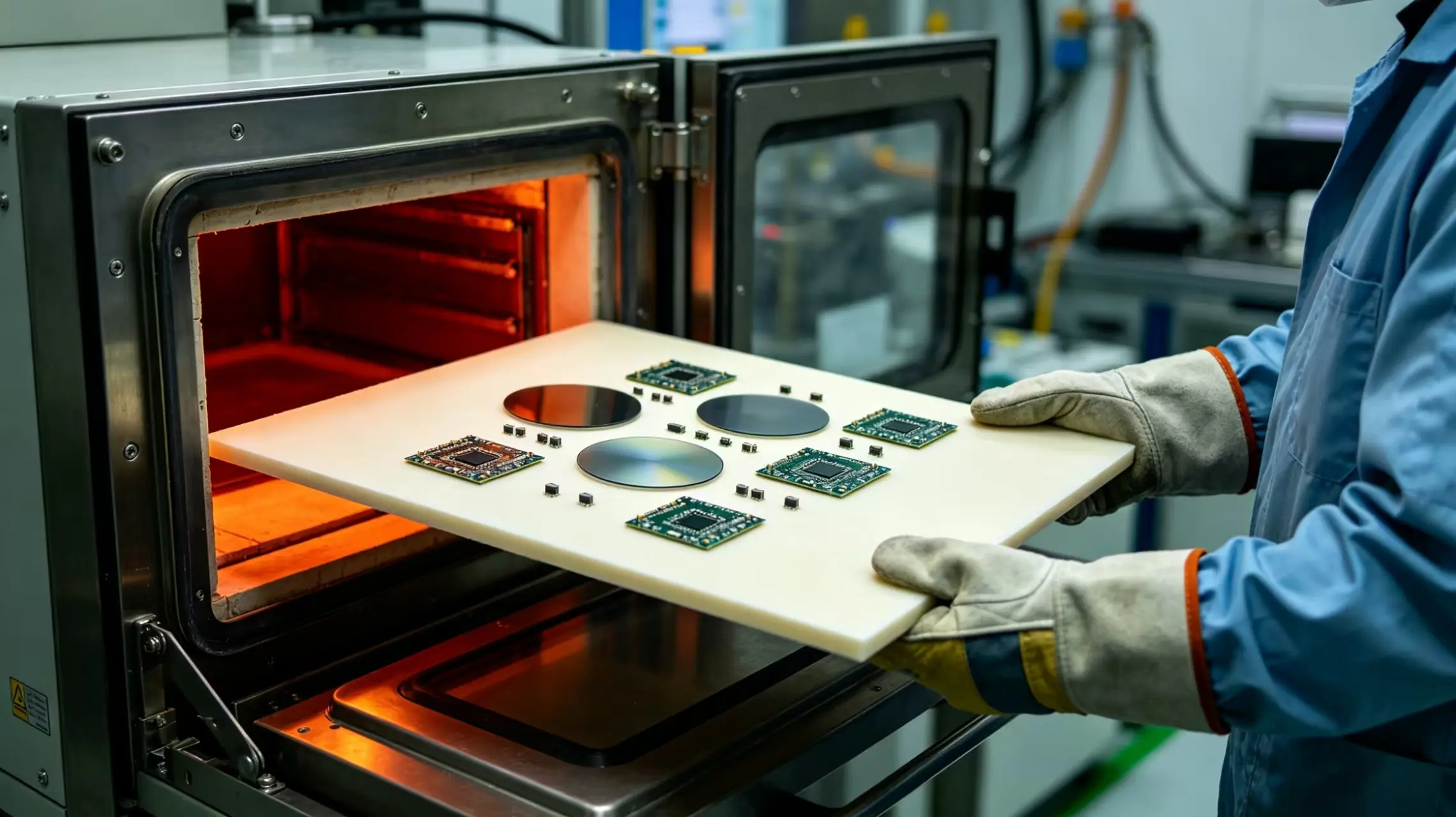
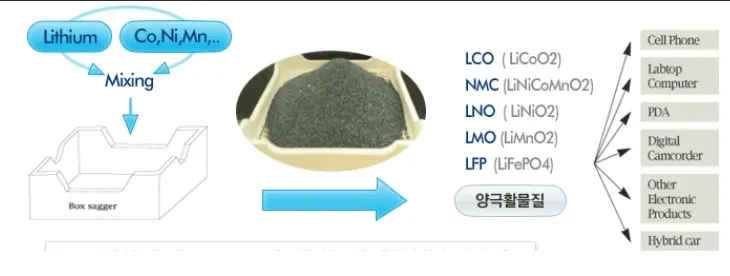
- Electronics: Used in the sintering of magnetic materials and electronic components.
- Glass Manufacturing: Essential for tank walls and regenerative chambers due to their resistance to molten glass corrosion.
- Metallurgy: utilized in high-temperature heat treatment furnaces and induction furnace.