
The Evolution of Refractory Kiln Furniture in Manganese-Zinc Ferrite Manufacturing: A Historical Perspective
The Early Era: The Age of Conventional Refractories (1940s–1960s)
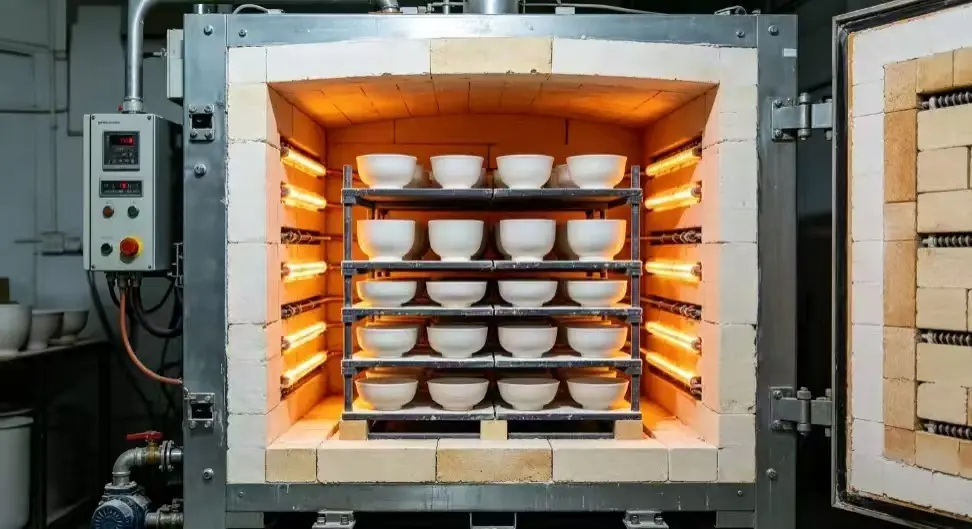
The commercial development of MnZn ferrites in the 1940s, pioneered by companies like Philips, presented an immediate challenge. These new magnetic materials required sintering at high temperatures (typically 1200°C–1400°C) in precisely controlled atmospheres to achieve the correct oxidation state and magnetic properties. The first Kiln Furniture was adapted from traditional ceramics industries. Materials like fireclay, cordierite, and mullite were the standards of the day.
While these materials were readily available and inexpensive, they were fundamentally inadequate. Their primary drawback was chemical contamination. At ferrite sintering temperatures, impurities such as SiO₂, alkalis, and Fe₂O₃ from the conventional refractories would migrate into the soft, sintering MnZn ferrite components. This contamination altered the stoichiometry of the ferrite, degrading its magnetic permeability and increasing power loss. This era was characterized by high rejection rates and an inability to produce consistently high-grade materials.
The Intermediate Period: The Shift to Aluminosilicates and Dense Steatite (1960s–1980s)
As the electronics industry demanded better performance (for applications like telecommunications and switch-mode power supplies), the need for purer firing environments became critical. The industry began transitioning to higher-grade aluminosilicate materials and dense steatite (magnesium silicate).
These materials offered improved purity and thermal shock resistance compared to fireclay. However, they still presented significant limitations. Their porosity could trap moisture and binder residues from the firing process, leading to inconsistent atmosphere control. Furthermore, while purer, they were not inert. Long production runs would still result in gradual reaction between the furniture and the ferrite, leading to sticking, surface blemishes on the components, and a limited lifespan for the kiln furniture itself. This period saw incremental improvements in yield, but the fundamental issue of material interaction persisted.
The Modern Era: The Rise of High-Purity Oxide Ceramics (1980s–Present)
The explosion of the consumer electronics market—from personal computers to mobile phones—created an insatiable demand for miniaturized, high-efficiency MnZn ferrite cores. This drove the sintering process to its limits, requiring even higher densities, finer microstructures, and absolutely zero defects. This necessitated a revolution in kiln furniture materials: the widespread adoption of high-purity oxide ceramics, specifically 99% Alumina (Al₂O₃) and Yttria-Stabilized Zirconia (YSZ) .
-
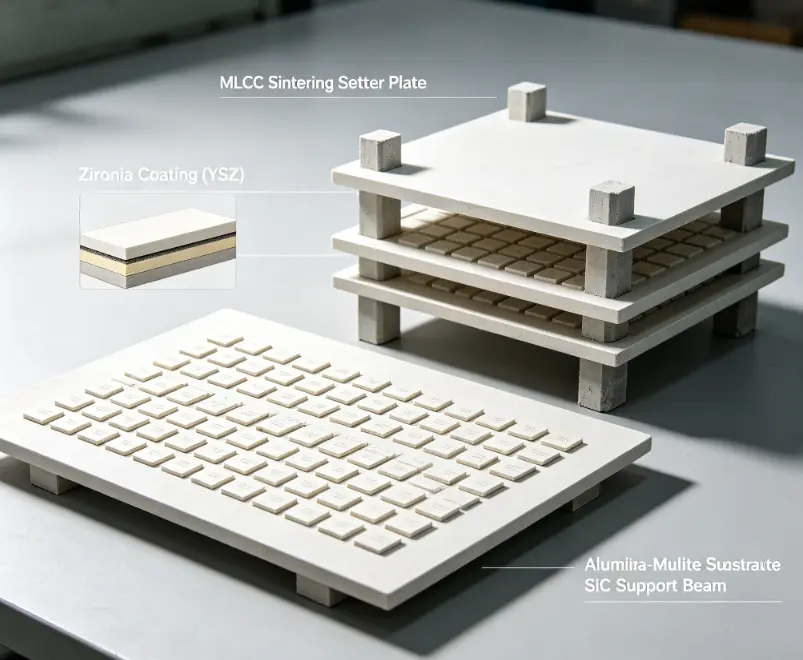
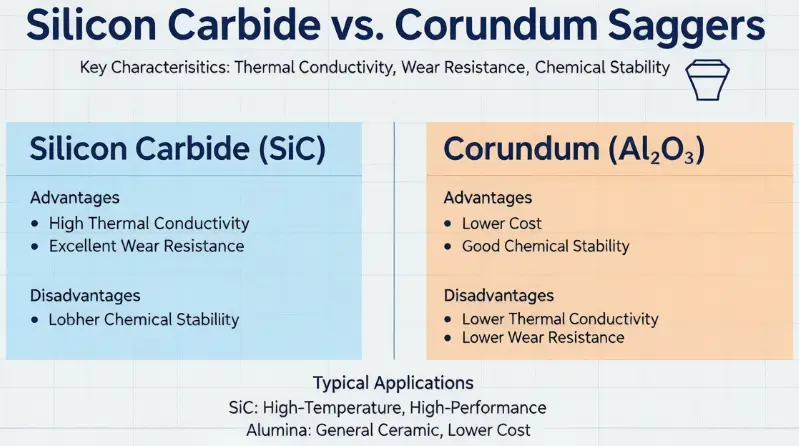
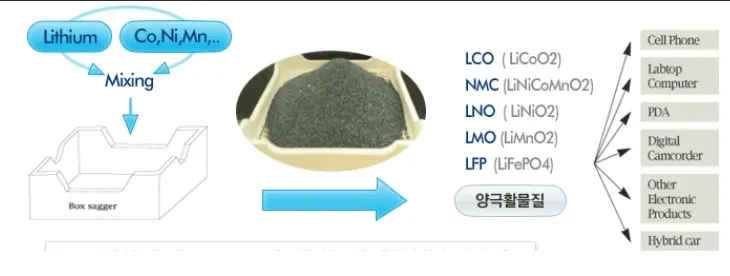
The 99% Alumina Standard: 99% alumina emerged as the workhorse material. Its chemical inertness at high temperatures virtually eliminated contamination. Its high density and mechanical strength allowed for the design of thin-walled, lightweight "sagger" boxes and setters. This reduced the thermal mass of the furniture, leading to faster heating and cooling cycles, lower energy consumption, and better temperature uniformity across the kiln load.
-
Specialized Solutions: For the most demanding applications, such as the sintering of ultra-high-permeability MnZn ferrites, YSZ kiln furniture became the standard. Zirconia's unique properties—extremely low thermal conductivity and a coefficient of thermal expansion closely matching that of the ferrites themselves—prevented thermal shock and stress cracking in both the furniture and the delicate components.
-
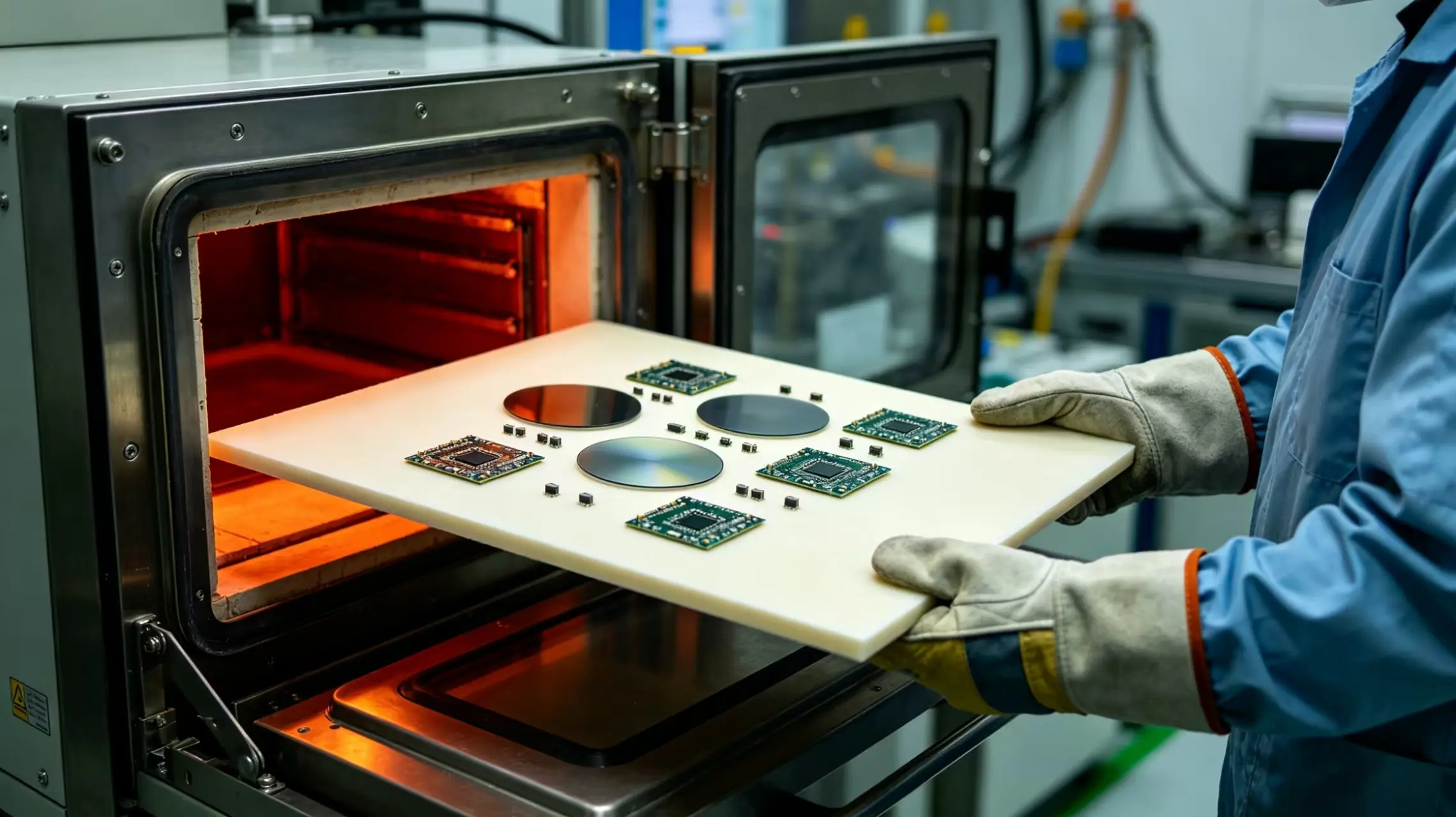
Engineering and Design: The focus shifted from just the material to the system. Computer-aided design (CAD) and finite element analysis (FEA) are now used to engineer kiln furniture that maximizes airflow, minimizes weight, and ensures uniform heat distribution. Modern pusher plate furnaces rely on precision-ground Alumina Plates that remain perfectly flat for thousands of cycles, ensuring consistent component geometry.
Conclusion
The history of refractory kiln furniture for MnZn ferrites is a story of purification and precision. It began with the adaptation of existing crude tools and evolved through a relentless pursuit of chemical purity to meet the demands of modern electronics. Today, the kiln furniture is not just a passive container but an active component of the thermal process, engineered from materials like 99% alumina to be invisible, inert, and reliable, allowing the ferrite itself to achieve its full magnetic potential. The future points toward even more advanced composites and coatings designed to extend life and further optimize the energy efficiency of the sintering process.