
The Future Development Trends and Applications of Industrial Ceramics
Core Future Development Trends of Industrial Ceramics
High-Performance and Composite Material Innovation
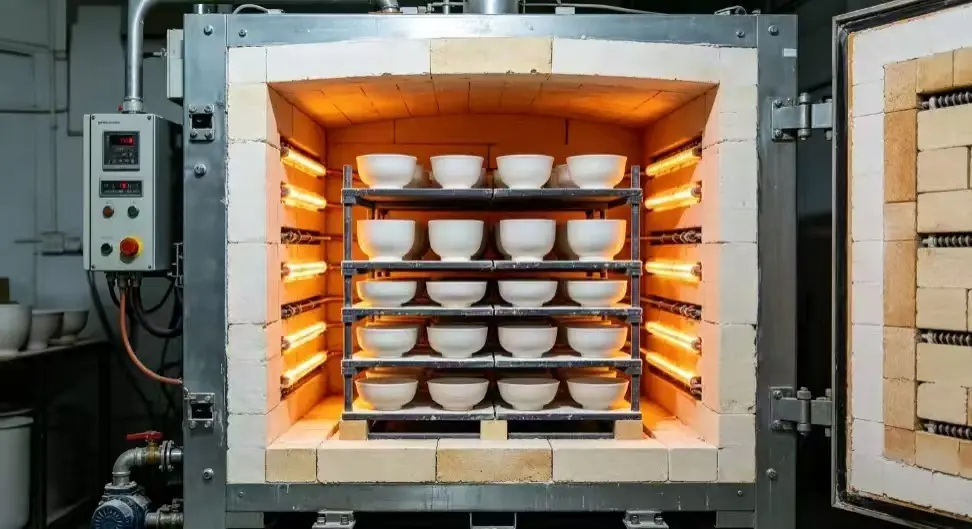
The foremost trend of industrial ceramics lies in continuous performance breakthroughs. Traditional single-component ceramics fail to meet the stringent demands of extreme working environments, prompting the industry to accelerate research, development and application of ceramic matrix composites, nano-ceramics and multi-functional composite ceramics. Nanotechnology refines the internal microstructure of ceramics, significantly enhancing toughness, wear resistance and service life; composite ceramics integrate the merits of diverse ceramic materials, breaking through the performance bottlenecks of single materials and adapting to ultra-high temperature, high-pressure and strong corrosion conditions. Meanwhile, advances in precision preparation technologies such as microwave sintering and hot isostatic pressing reduce production energy consumption while improving product density and performance stability.
Green and Sustainable Manufacturing
Global environmental regulations and low-carbon development goals have made green production an irreversible trend for industrial ceramics. Manufacturers are phasing out high-energy-consumption and high-pollution processes, adopting clean energy and energy-saving sintering equipment to cut carbon emissions across the production chain. The recycling of waste ceramic materials is also widely implemented, realizing raw material reuse and reducing resource waste. Furthermore, research on biodegradable and eco-friendly ceramic materials is in full swing, minimizing the environmental impact of ceramic products throughout their life cycle and driving the industry toward low-carbon, circular and sustainable development.
Intelligent and Digitalized Production
The integration of intelligent manufacturing with industrial ceramics production is deepening. Automated production lines, digital monitoring systems and AI-powered quality inspection are widely applied in raw material mixing, forming, sintering and finished product testing, greatly improving production efficiency and product consistency while reducing manual errors. Digital modeling and simulation technologies optimize product design and production procedures, shortening the R&D cycle of new ceramic products and lowering development costs. Intelligent production not only resolves industry challenges such as high labor costs and low efficiency but also lays a solid foundation for customized production of high-precision ceramic components.
Key Application Fields of Industrial Ceramics
Electronics and Semiconductor Industry
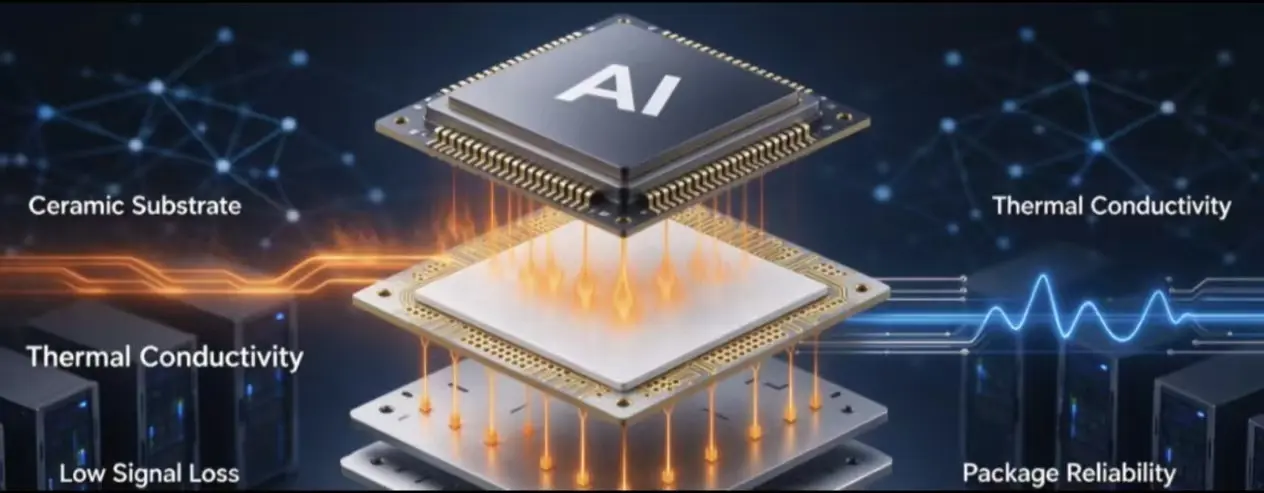
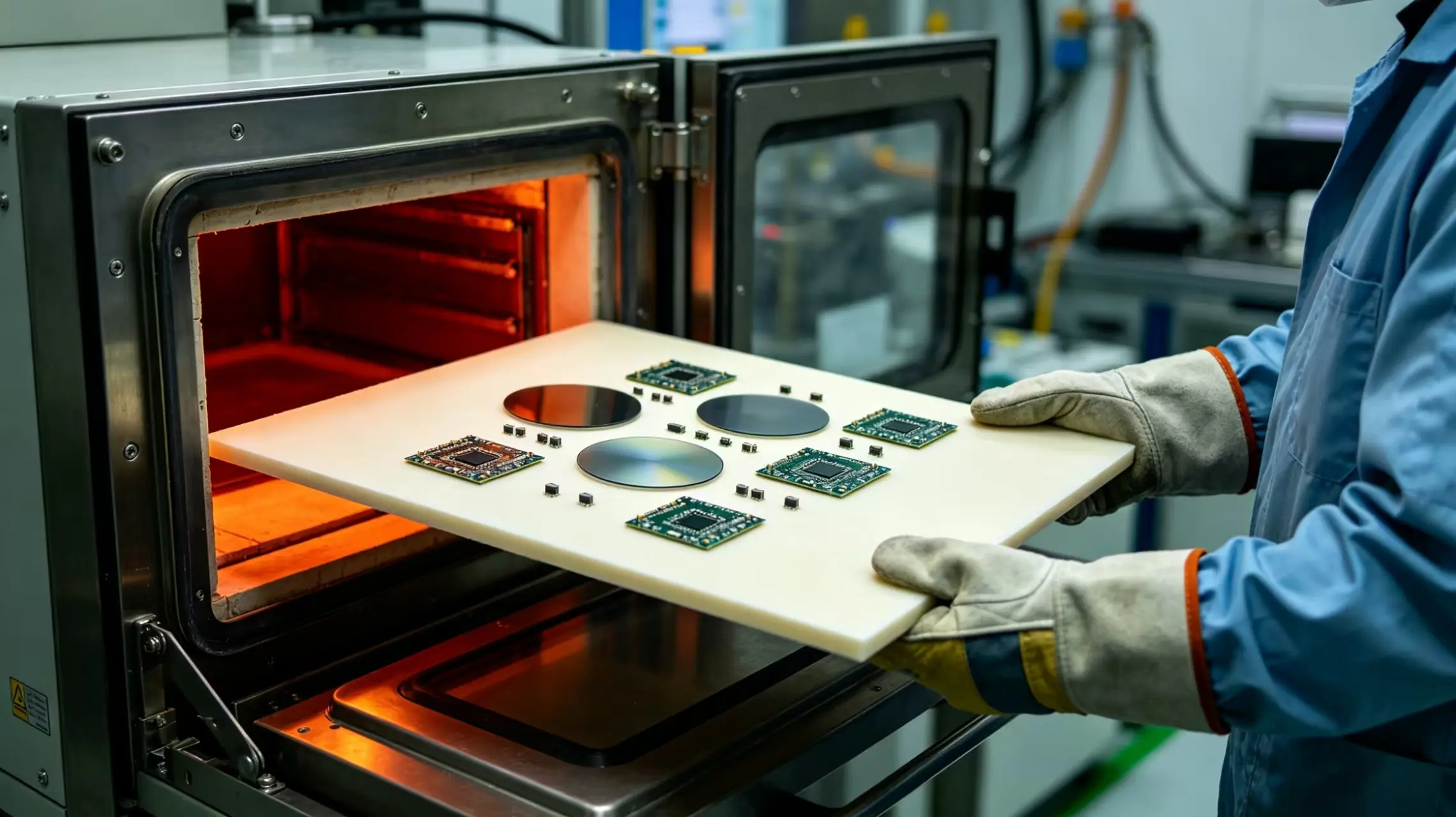
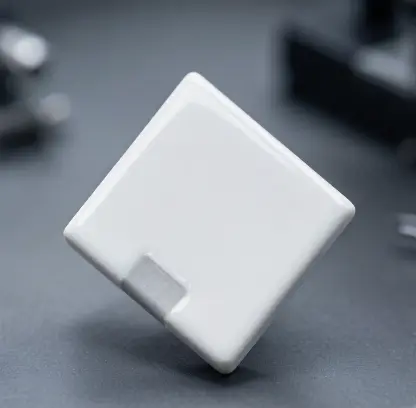
Industrial ceramics are irreplaceable in the electronic information and semiconductor sectors. Ceramic substrates made of aluminum nitride and zirconia, with excellent thermal conductivity and electrical insulation, are extensively used in 5G communication equipment, LED packaging, integrated circuit chips and semiconductor manufacturing facilities. As electronic products move toward miniaturization, high frequency and high power, the demand for high-performance ceramic components surges. Ceramic electrostatic chucks, insulating parts and heat dissipation components have become core parts in semiconductor production, supporting the stable operation of advanced electronic equipment.
New Energy Industry
In new energy sectors including new energy vehicles, photovoltaics and wind power, industrial ceramics play a vital role. Silicon carbide ceramics are widely utilized in new energy vehicle power modules, battery thermal management systems and brake components, improving energy efficiency and driving safety. In the photovoltaic industry, ceramic materials serve as solar cell cutting tools and photovoltaic module packaging materials, with high wear and corrosion resistance extending the service life of photovoltaic equipment. Ceramic electrolytes in solid oxide fuel cells also boost the innovation of clean energy technologies.
Aerospace and Automotive Manufacturing
The aerospace and automotive industries have growing demand for lightweight, high-temperature resistant materials, where ceramic matrix composites are widely adopted. In aerospace, ceramic materials are applied to engine hot-end components, thermal protection systems and sensor parts, enduring extreme high-temperature and high-speed flight conditions. In automotive manufacturing, ceramic parts reduce vehicle weight, improve fuel efficiency and wear resistance, and are gradually used in engine components, exhaust systems and core parts of new energy vehicles.
Biomedical Field
Biocompatible industrial ceramics boast broad application prospects in medicine. Zirconia ceramics, hydroxyapatite ceramics and other materials are non-toxic, non-irritating and highly tissue-compatible, widely used in dental implants, artificial joints, bone repair scaffolds and medical surgical instruments. 3D-printed ceramic medical products enable personalized customization, fitting the human physiological structure more accurately and promoting the development of precision medicine.