



The Modern Applications of Ceramic Crucibles: A Versatile Tool for Advanced Industries
Key Materials and Properties
The performance of Ceramic Crucibles hinges on their composition. For instance:
-
Alumina (Al₂O₃): Withstands temperatures up to 1,800°C and offers high mechanical strength, ideal for metal melting and lab analyses.
-
Zirconia (ZrO₂): Resists temperatures up to 2,700°C and excels in melting platinum-group metals.
-
Quartz (SiO₂): Prized for its purity in semiconductor manufacturing, though it degrades in alkaline environments.
-
Magnesium Oxide (MgO): Withstands alkaline slag and is critical for refining nickel or uranium alloys.
These materials ensure minimal contamination, thermal shock resistance, and longevity, enabling repeated use even under rapid heating or cooling.
Broad Industrial Applications
-
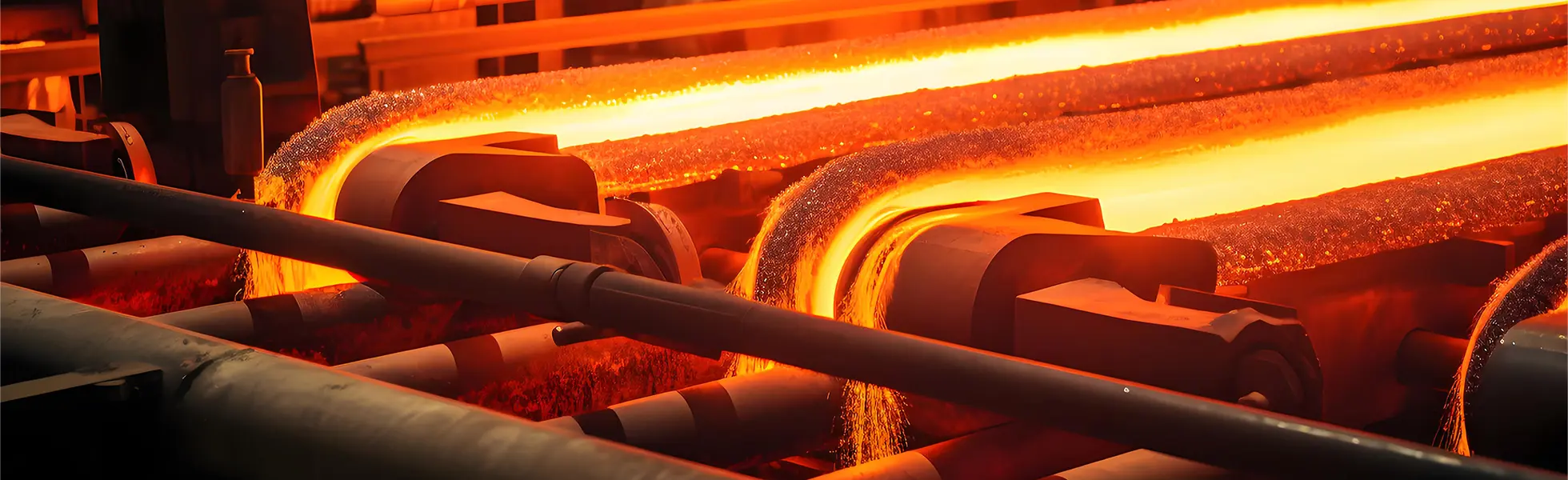
Metallurgy and Jewelry: Ceramic crucibles are vital for melting and purifying precious metals like gold and silver. Their chemical inertness prevents impurity transfer, ensuring high-purity outputs for jewelry and aerospace alloys.
-
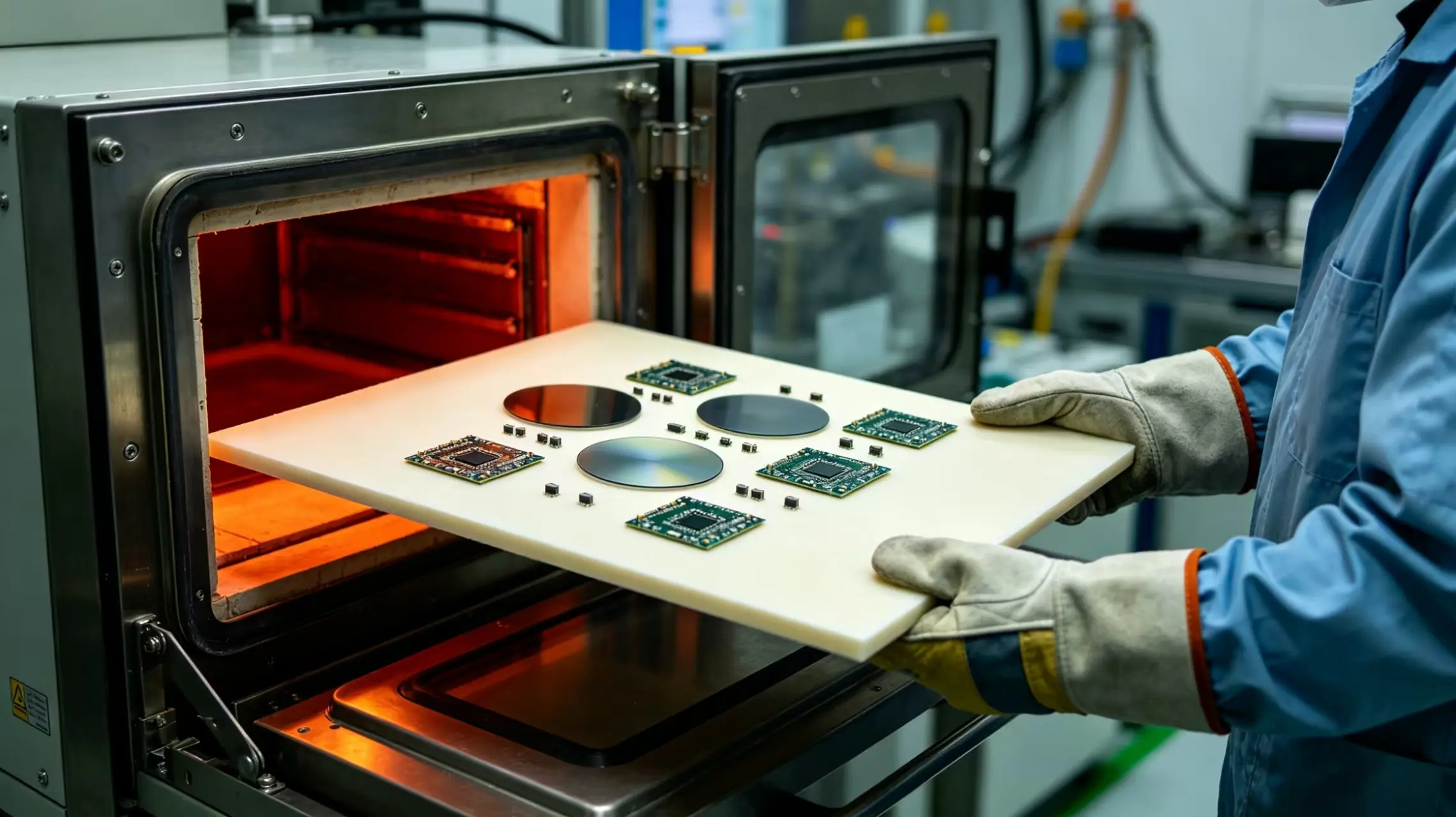
Semiconductor and Solar Energy: Quartz crucibles are essential in producing monocrystalline and polycrystalline silicon for solar panels and electronics. They endure over 1,500°C during silicon crystallization, directly supporting renewable energy advancements.
-
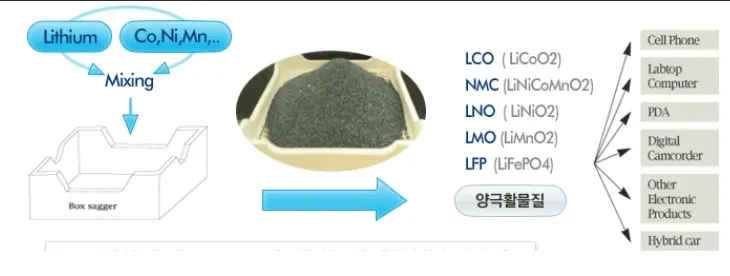
Advanced Material Synthesis: In labs, crucibles facilitate the synthesis of catalysts, battery materials (e.g., lithium-ion cathodes), and piezoelectric ceramics. Their stability under controlled atmospheres enables precise material design .
-
Nuclear and Aerospace: MgO-based crucibles refine radioactive metals like uranium, while zirconia variants handle titanium alloys for jet engines .
Future Outlook
The global thermal crucible market, valued at $660 million in 2024, is projected to grow steadily, driven by demands from aerospace, electronics, and green technology. Innovations in materials, such as silicon nitride coatings to enhance durability, are further expanding their utility.
In summary, ceramic crucibles bridge ancient craftsmanship with cutting-edge technology. Their adaptability across high-stakes industries underscores their role as unsung heroes in material science and industrial innovation.