

The Multifaceted Applications of Mullite Ceramics
1. Electronics and Communication
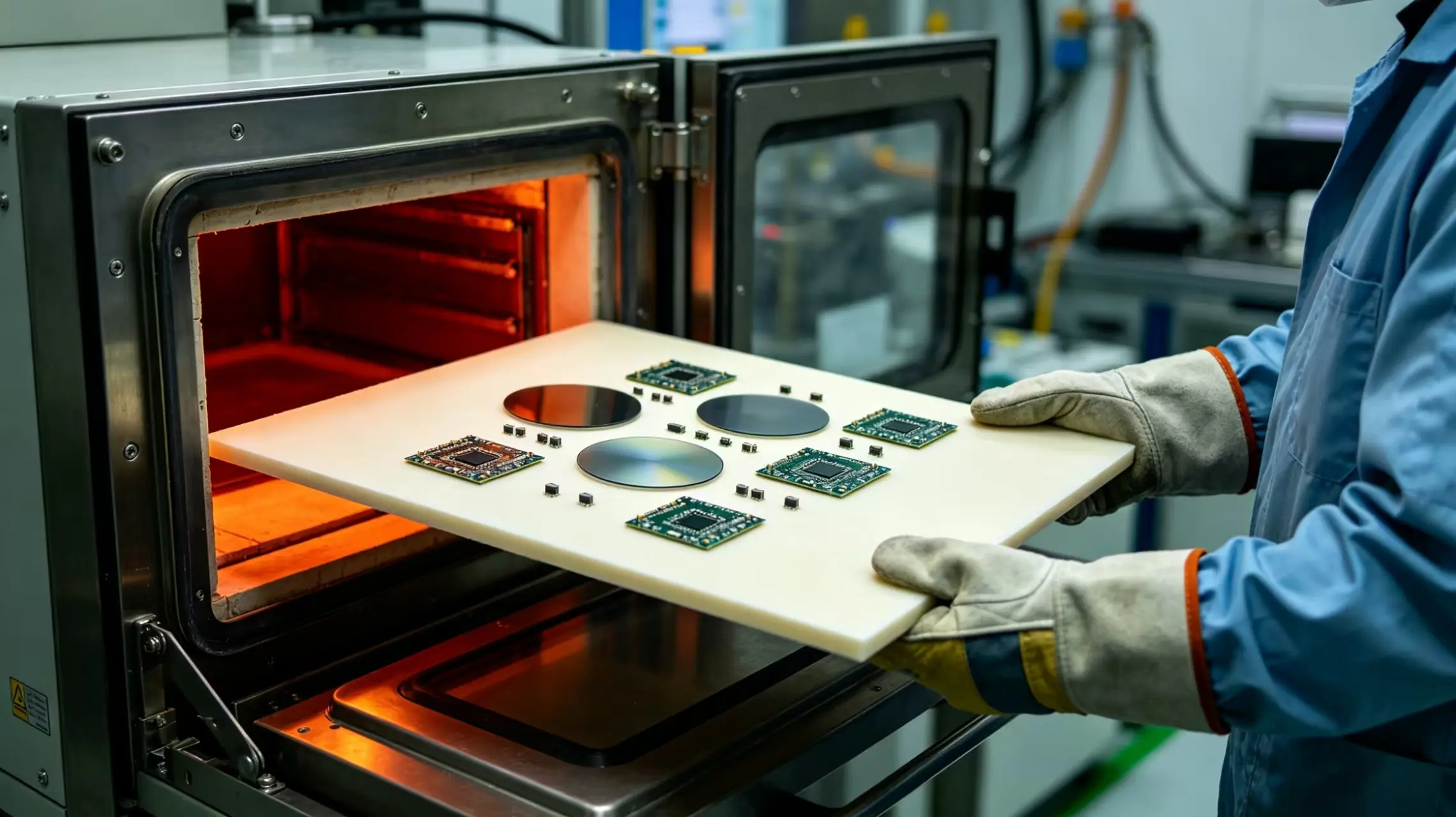
Mullite Ceramics are ideal substrate materials for electronic packaging due to their low dielectric constant and compatibility with silicon. In high-frequency circuits, signals travel faster in materials with lower dielectric constants. Mullite-based substrates reduce signal transmission time by approximately 14% compared to alumina ceramics, making them critical for supercomputers and 5G infrastructure. For instance, Hitachi Ltd. incorporated mullite-glass composites in their supercomputers to enhance processing speed while minimizing energy loss. Additionally, mullite’s moderate thermal expansion coefficient bridges the gap between silicon chips and external components, reducing stress failures in microelectronic devices.
2. Optical and Infrared Systems
With a low birefringence index (0.012) and excellent transmittance in the mid-infrared spectrum, mullite serves as a high-performance optical window material. It withstands extreme conditions—such as high temperatures, mechanical stress, and corrosive environments—where conventional materials like sapphire or spinel fail. Transparent mullite ceramics, synthesized via advanced methods like alkoxide hydrolysis and vacuum sintering, are used in laser resonators, infrared sensors, and missile guidance systems. Their ability to maintain structural integrity under thermal shock makes them invaluable in aerospace optics.
3. Aerospace and Thermal Barrier Coatings (TBCs)
Mullite-based thermal barrier coatings (TBCs) protect jet engine turbine blades and rocket components from extreme heat and corrosion. NASA’s Lewis Research Center pioneered TBCs in the 1980s, demonstrating that mullite coatings could lower component temperatures by 170 K, improving engine efficiency and lifespan. Enhanced versions, such as fiber-reinforced mullite composites, have been tested in aircraft exhaust systems, reducing fuel consumption and enabling higher operating temperatures.
4. Environmental and Sustainable Materials
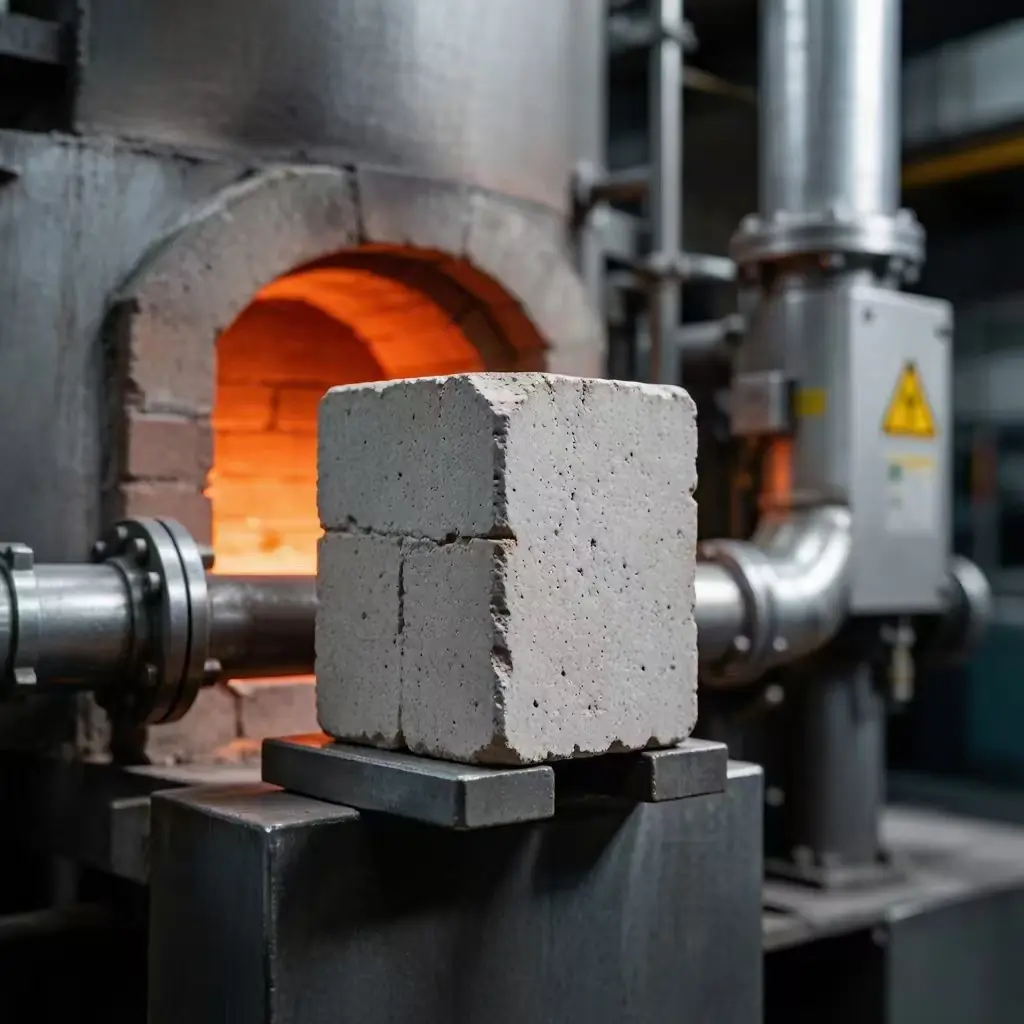
Mullite ceramics contribute to green technology through waste recycling and energy efficiency. Researchers have synthesized mullite from industrial waste, such as aluminum slag, combined with natural minerals like kaolin or diatomite. This approach reduces landfill burden and cuts production costs, aligning with circular economy goals. In cement manufacturing, low-thermal-conductivity Mullite Bricks lined in rotary kilns save energy by reducing heat loss, lowering surface temperatures by 50–80°C.
5. Advanced Composites and Structural Materials
To overcome mullite’s inherent brittleness, composites like SiC-whisker-reinforced mullite or mullite-zirconia hybrids have been developed. These materials exhibit enhanced fracture toughness and wear resistance, expanding their use to heat exchanger tubes, catalytic converters, and cutting tools. For example, nitrogen-doped mullite composites serve as lightweight, high-strength burner nozzles and industrial filters.