



The Ultimate Guide to Choosing Refractory Bricks for Your Home Fireplace
This guide will walk you through everything you need to know to choose the perfect refractory bricks for your home fireplace.
What Are Refractory Bricks?
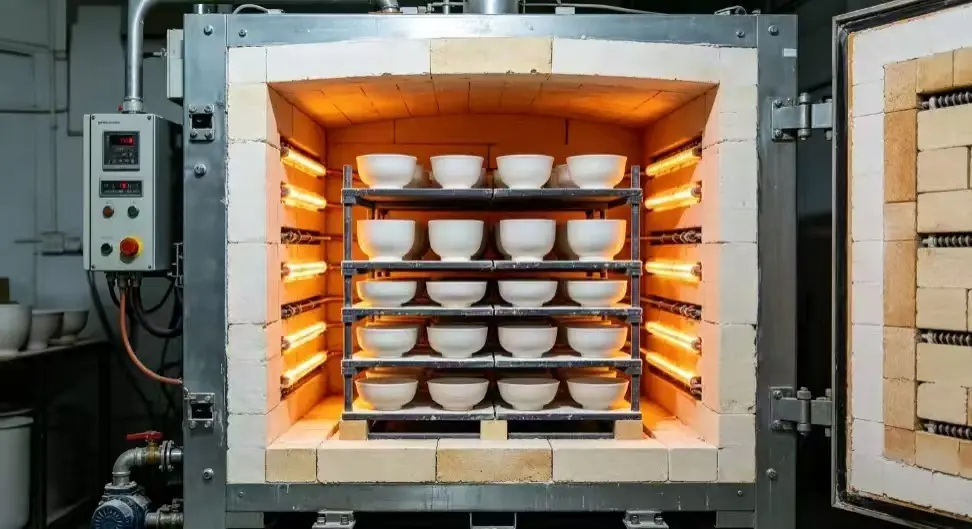
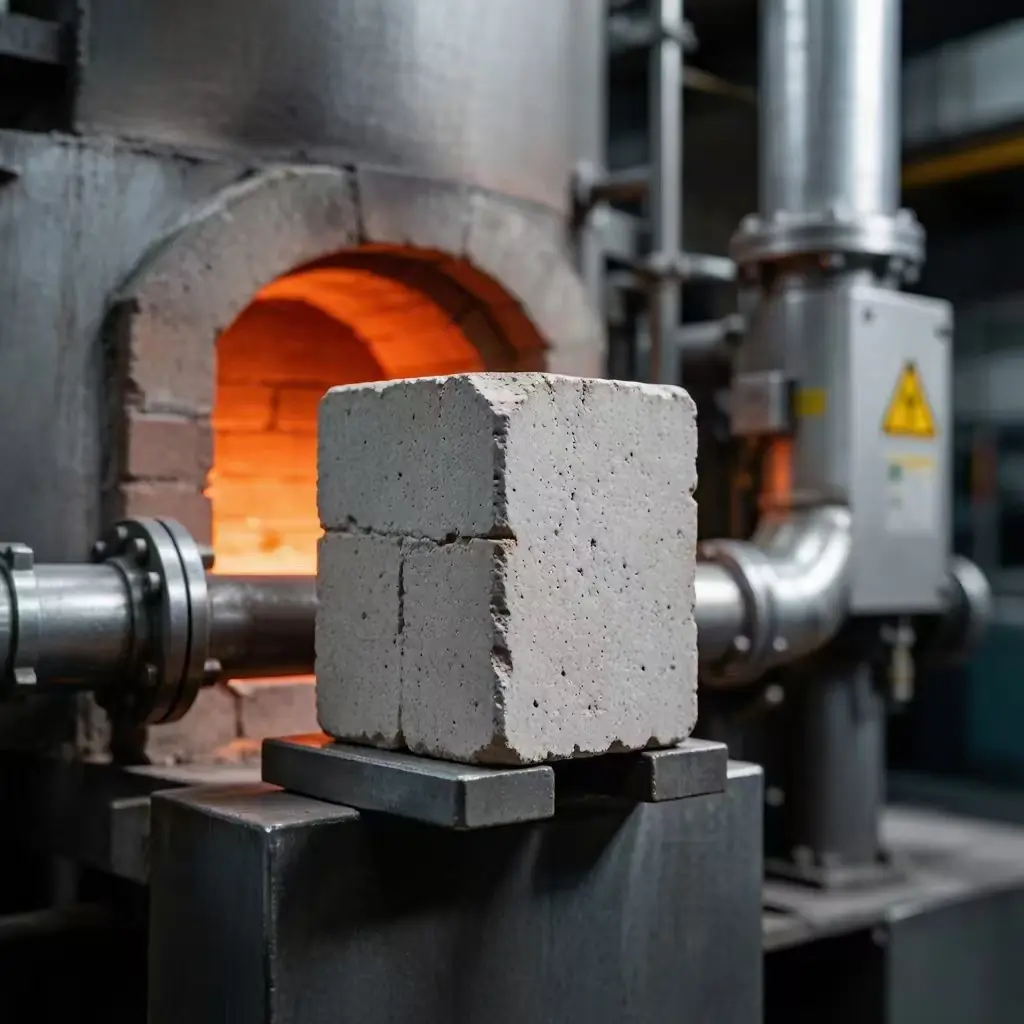
Refractory bricks, often called fire bricks, are ceramic blocks manufactured to line the interiors of fireplaces, furnaces, kilns, and fireboxes. Unlike regular clay bricks used in building walls, Refractory Bricks are made from fire clay or other refractory ceramics. Their primary function is to contain the heat within the firebox and protect the outer masonry or metal structure of your home from heat damage.
Key Factors to Consider When Choosing Refractory Bricks
When shopping for refractory bricks, you must look beyond aesthetics. Here are the four critical technical specifications to consider:
1. Temperature Rating (Maximum Service Temperature)
The most crucial factor is the brick’s ability to withstand heat.
-
Standard Firebricks: Typically rated for temperatures up to 1,200°C (2,200°F). This is sufficient for most residential wood-burning fireplaces.
-
High-Alumina Bricks: If you plan to burn coal or use your fireplace very frequently, you might need high-alumina bricks. These contain a higher percentage of alumina (Al₂O₃) and can withstand temperatures exceeding 1,600°C (2,900°F).
-
Tip:Check the manufacturer’s specifications for the "Maximum Service Temperature" to ensure it matches or exceeds your fireplace’s output.
2. Thermal Conductivity
Thermal conductivity refers to how well a material transfers heat. For a fireplace, you generally want bricks with low thermal conductivity. Low-conductivity bricks act as insulators, keeping the heat inside the firebox where it radiates slowly into the room. High-conductivity bricks lose heat too quickly to the outside structure, which is inefficient and potentially dangerous.
3. Density and Porosity
Density affects both durability and insulation.
-
Dense Bricks: These are heavy and strong but have lower insulating properties. They are best for the floor of the firebox where logs are placed and abrasion is common.
-
Insulating Bricks: These are lightweight and highly porous. They are excellent for the walls and back of the firebox because they reflect heat back into the room. However, they are fragile and should not be used on the floor.
4. Physical Dimensions and Shape
Fireplaces require specific sizes to ensure tight joints and proper airflow. The most common size for home fireplaces is the "Split" fire brick, typically measuring 9" x 4.5" x 1.25" (or 230mm x 114mm x 32mm). Using the correct thickness is vital; if the bricks are too thin, they won't provide enough insulation for the backing material.
Types of Refractory Bricks
Understanding the different types available will help you make an informed decision:
| Type | Composition | Pros | Cons | Best Use |
|---|---|---|---|---|
| Fireclay Bricks | Silica (SiO₂) & Alumina | Affordable, good thermal shock resistance, widely available. | Lower max temperature than high-alumina. | Standard wood-burning fireplaces. |
| High-Alumina Bricks | >50% Alumina | Extremely high heat resistance, chemically stable. | More expensive than fireclay. | Coal fires, pizza ovens, heavy use. |
| Insulating Bricks | High porosity, low density | Excellent heat reflection, lightweight. | Very soft, crumbles easily, no abrasion resistance. | Lining the walls/back of the firebox only. |
| Castable Refractories | Cement-like mixture | Can be poured into custom shapes. | Requires curing time, harder to install. | Repairing oddly shaped fireboxes. |
Installation and Safety Tips
Even the best bricks will fail if installed incorrectly.
-
Use Refractory Mortar: Never use standard cement or mortar mix. These will crack under high heat. You must use a specialized refractory mortar or a high-temperature silicate adhesive designed for fireplaces.
-
Expansion Joints: Refractory materials expand when heated. Ensure there is a small gap (expansion joint) between bricks, filled with ceramic fiber rope or high-temp caulk, to prevent buckling.
-
Check Local Codes: Always verify your local building codes and regulations. Some areas have strict requirements regarding fireplace construction materials.
Maintenance and Lifespan
A quality set of refractory bricks can last 20–30 years with proper care. However, they are not indestructible. Look out for spalling (flaking or chipping), which occurs when moisture gets trapped inside the brick and turns to steam. If you see large cracks or significant crumbling, it is time to replace them. Do not operate a fireplace with damaged refractory lining, as this can lead to overheating of the outer structure and potential house fires.
Choosing the right refractory bricks for your home fireplace is a balance of heat tolerance, insulation, and durability. For the average homeowner, standard fireclay bricks (Class 26 or higher) are usually the best choice—they offer excellent performance at a reasonable price. Ensure you buy bricks specifically labeled for fireplace use, use the correct refractory mortar, and prioritize safety over cost. By investing in quality refractory materials, you are not just buying bricks; you are securing the safety and longevity of your home’s hearth for generations to come.