
What is Steatite Ceramic?
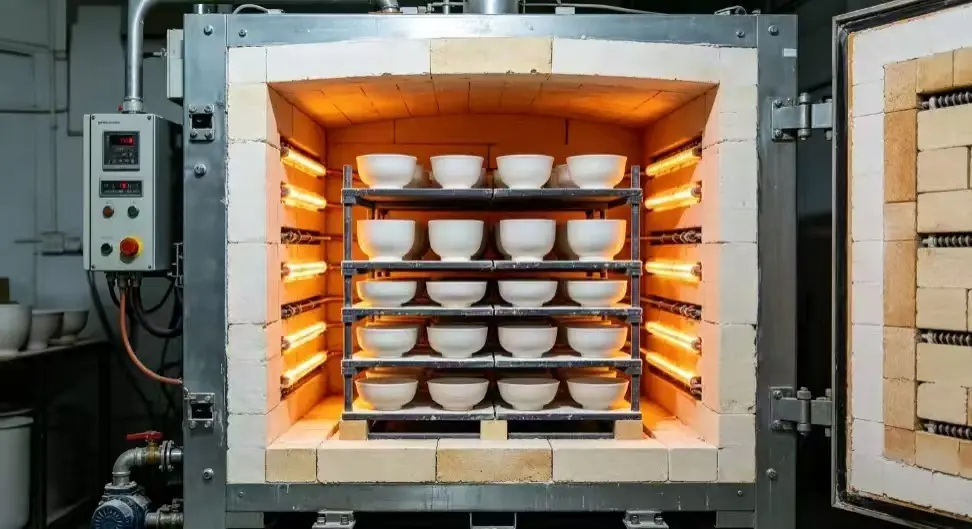
One of the most distinctive features of steatite ceramic is its excellent electrical insulation performance, which remains stable even at elevated temperatures up to 1000°C, making it ideal for manufacturing high - frequency electrical components such as insulators, terminal blocks and resistor cores. It also exhibits low thermal expansion coefficient, enabling it to resist thermal shock and maintain dimensional stability when subjected to rapid temperature changes. Additionally, steatite ceramic is non - toxic, chemically inert and easy to shape through processes like extrusion, pressing and injection molding, followed by high - temperature sintering to achieve a dense, smooth and scratch - resistant surface.
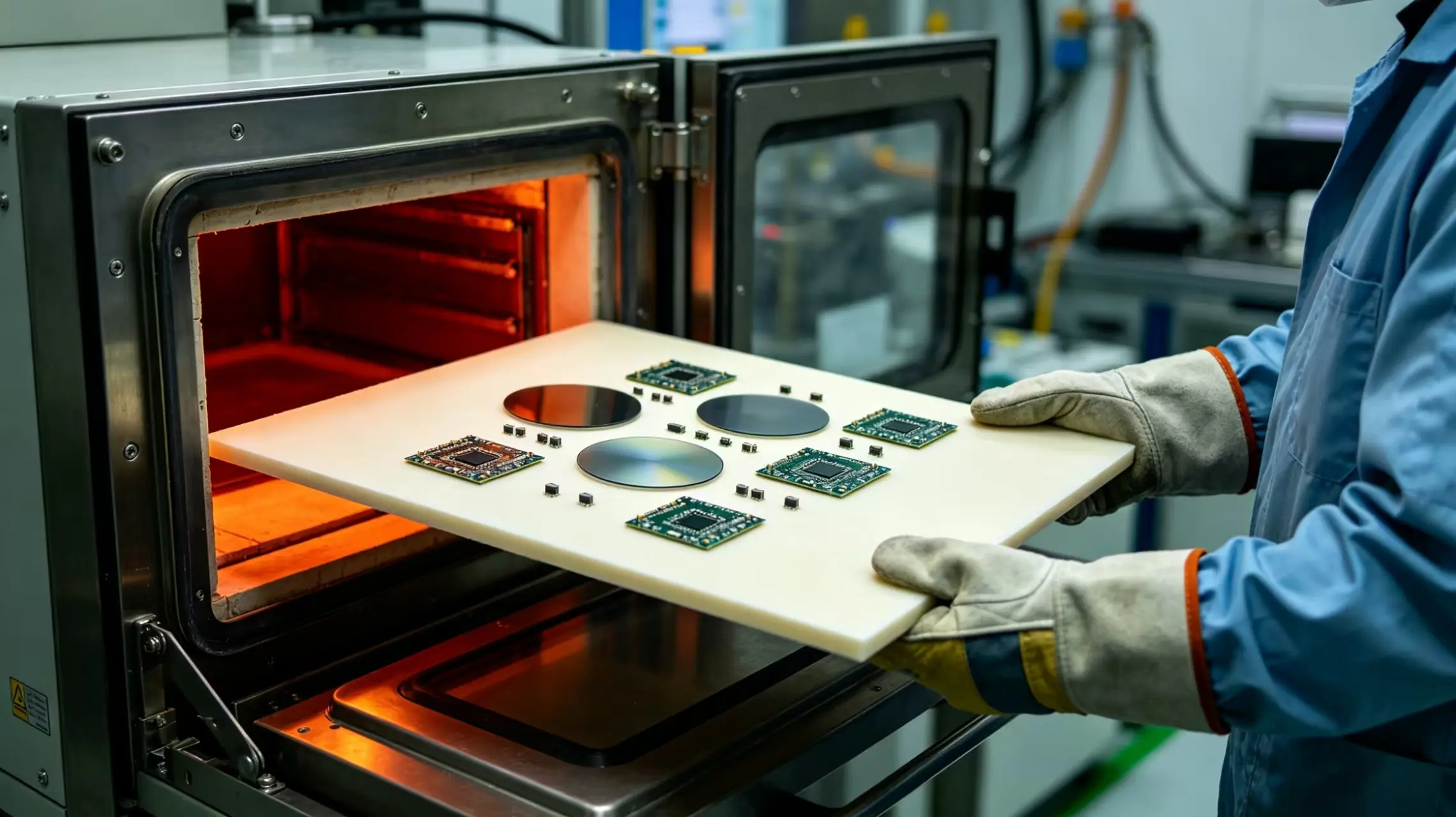
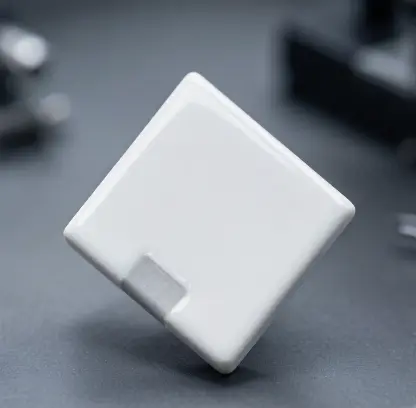
In practical applications, steatite ceramic is widely used in the electronics industry for producing circuit board substrates, capacitor cases and sensor housings. It is also a common material for kitchenware accessories such as microwave - safe cookware components and ceramic knife handles, thanks to its heat resistance and non - reactivity with food. Moreover, it finds usage in the automotive sector for manufacturing ignition system parts and thermal insulation components, as well as in the medical field for fabricating non - corrosive laboratory utensils. With its cost - effectiveness and versatile performance, steatite ceramic continues to be a preferred choice for engineers and manufacturers seeking reliable, multi - functional ceramic materials.