


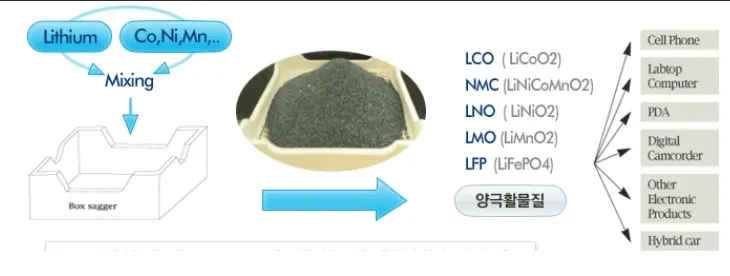
Why do cordierite mullite saggar can fire powder well ?
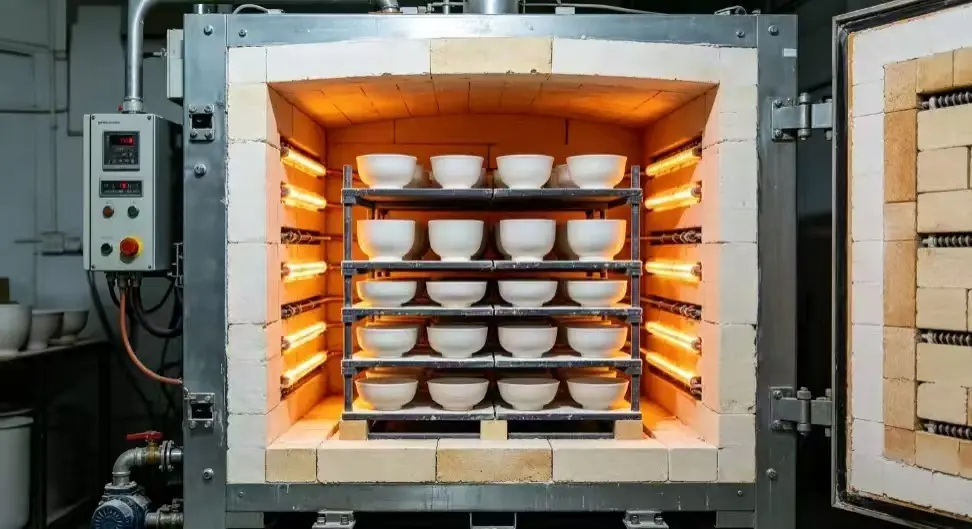
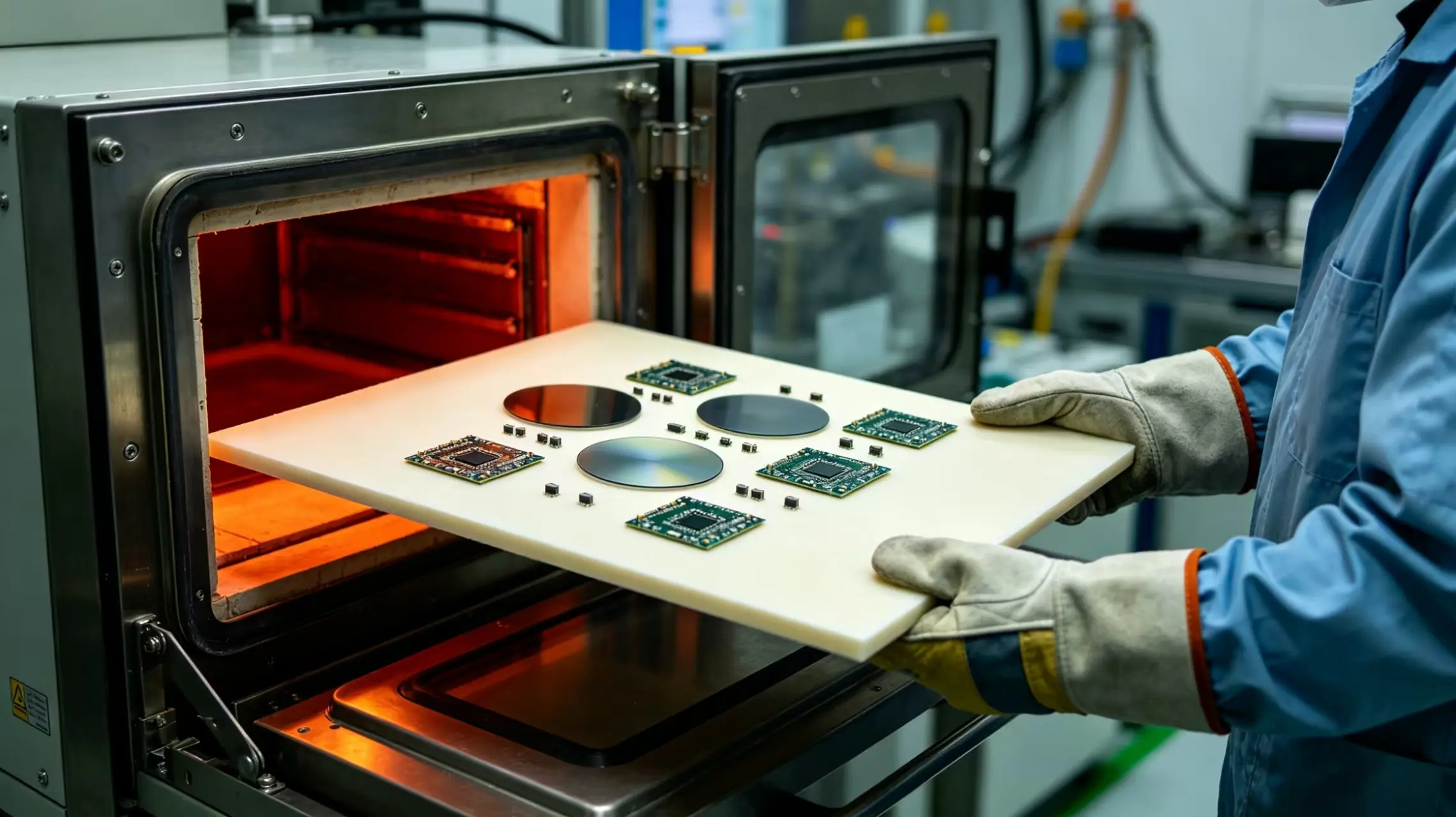
In practice, these material properties translate into direct performance benefits during the firing of sensitive powders like rare earth oxides or lithium cathode materials (e.g., LNCM).
-
Withstanding Thermal Cycling: The very low thermal expansion of cordierite is critical. During the repeated, rapid temperature cycles of industrial kilns, materials with high CTE develop internal stresses and crack. The cordierite-mullite composite's low expansion minimizes this stress, granting it what is described in patents as "excellent thermal shock resistance".
-
Resisting Chemical Corrosion: The firing environment is chemically aggressive. Volatile lithium oxides from battery materials, for example, can corrode and degrade conventional refractories. Mullite provides a stable, inert barrier against such corrosion. Advanced composites further improve this by incorporating phases like magnesium-aluminate spinel into the mixture to enhance corrosion resistance.
-
Ensuring Product Purity: The chemical inertness of the sagger is paramount for product quality. Any reaction between the sagger and the powder charge would lead to contamination, altering the precise stoichiometry and degrading the performance of the final rare earth or cathode material. The stability of the cordierite-mullite composite acts as a reliable container that protects the purity of the valuable powder being fired.
🏗️ Microstructural Advantages
The performance is rooted in the material's microstructure. In an optimal cordierite-mullite composite, the two phases form an interlocking structure. Research on Y₂O₃-doped composites describes a microstructure with "hexagonal short-columnar cordierite and interlocking rod-like mullite". This interlocking network effectively hinders crack propagation, distributes mechanical stress, and enhances toughness. Furthermore, the microstructure can be refined through sintering aids. For instance, adding yttrium oxide (Y₂O₃) promotes phase formation and refines the grains, leading to dramatic improvements in mechanical properties.
📈 Optimization Through Composition
The properties of the composite can be precisely tuned by adjusting the cordierite-to-mullite ratio and using additives:
-
Ratio Adjustment: Increasing the mullite content generally leads to higher density, bending strength, and high-temperature stability, though it may slightly reduce thermal shock resistance due to mullite's higher CTE.
-
Use of Sintering Aids: Additives like Y₂O₃ are used to improve densification and properties. Research shows that an optimal 3 wt% addition of Y₂O₃ can increase the room-temperature compressive strength of a cordierite-mullite composite by 121% and its flexural strength by 177%.
-
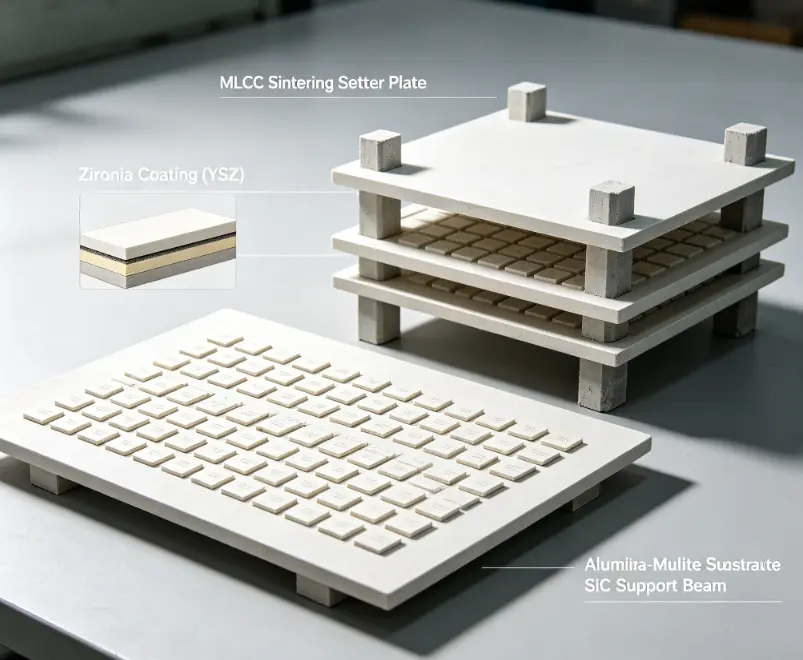
Surface Engineering: Some manufacturing methods involve creating a layered structure. For example, one patent describes a process where the main sagger body (Mixture A) is coated with a different, more corrosion-resistant fine powder layer (Mixture B) before pressing and firing, providing an enhanced protective surface.
💎 Conclusion
In summary, the cordierite-mullite sagger excels because it is a purpose-engineered composite. It successfully balances the critical need for exceptional thermal shock resistance (primarily from cordierite) with the requirements for high-temperature strength, creep resistance, and chemical durability (primarily from mullite). This synergy, along with the ability to optimize its composition and microstructure, makes it a technically superior and economically viable choice for the demanding process of firing high-value, reactive powders like rare earth elements and advanced battery materials.