


Zirconia Ceramic: The Cornerstone of Modern Restorative Dentistry
The Evolution and Key Properties of Dental Zirconia
The success of zirconia in dentistry stems from its unique engineered properties, which directly address the limitations of previous materials.
-
Exceptional Strength and Durability: Zirconia's most celebrated attribute is its remarkable fracture resistance and flexural strength, which far surpasses that of all other dental ceramics and even rivals some metals. This "metal-like" strength makes it ideal for:
-
High-stress areas: It is perfectly suited for posterior (back) teeth (molars and premolars), which bear the brunt of chewing forces.
-
Long-span bridges: Zirconia can be used to fabricate multi-unit bridges that would be too risky with weaker, glass-based ceramics.
-
Prevention of catastrophic failure: Unlike traditional ceramics that can shatter, zirconia is tough and resists crack propagation.
-
-
Superior Aesthetics (The Translucency Revolution): Early zirconia was often criticized for its opaque, chalky-white appearance. However, significant advancements in material science have led to the development of highly translucent and multi-layered zirconia. Modern formulations, often doped with Yttrium (Y-TZP), can mimic the light-transmitting properties and nuanced shades of natural tooth enamel, providing restorations that are virtually indistinguishable from natural teeth.
-
Excellent Biocompatibility: Zirconia is highly biocompatible, meaning it is well-tolerated by the human body and does not cause allergic reactions or immune responses. This is a significant advantage over nickel-based metal alloys. Its low plaque affinity also contributes to better gingival (gum) health around the restoration.
-
Wear Characteristics: Zirconia exhibits wear resistance that is similar to that of natural enamel. This is crucial, as an overly hard restoration can cause excessive wear on the opposing natural tooth, a common problem with some early ceramics.
Primary Applications in Modern Dentistry
Zirconia's versatility allows it to be used in numerous restorative procedures:
-
Single Crowns: The most common application, for both anterior (front) and posterior teeth, where strength and aesthetics are paramount.
-
Fixed Dental Bridges: Used to replace one or more missing teeth, with zirconia frameworks providing a strong, reliable substructure, often veneered with a layer of aesthetic porcelain for a final lifelike appearance (though monolithic, full-contour zirconia is increasingly popular for posterior bridges).
-
Implant Prosthetics: Zirconia is the leading material for implant-supported crowns and bridges (abutments and superstructures). Its tooth-like color prevents the graying effect that can sometimes show through gums with metal abutments.
-
CAD/CAM and Digital Dentistry: Zirconia is perfectly suited for the digital workflow. It is milled from pre-sintered blanks using Computer-Aided Design and Computer-Aided Manufacturing (CAD/CAM) technology, either in dental labs or chairside at the clinic. This ensures precision, efficiency, and reproducibility.
-
Minimally Invasive Restorations: Ultra-thin, high-strength zirconia allows for the creation of veneers and onlays that require minimal removal of healthy tooth structure.
The Digital Workflow: A Perfect Partnership
The rise of zirconia is inextricably linked to the adoption of digital dentistry. The process typically involves:
-
Digital Impression: An intraoral scanner captures a precise 3D model of the prepared tooth.
-
CAD Design: A dental technician designs the restoration virtually on a computer, optimizing the shape, fit, and occlusion.
-
CAM Milling: The design file is sent to a milling machine that precisely carves the restoration out of a partially sintered zirconia block.
-
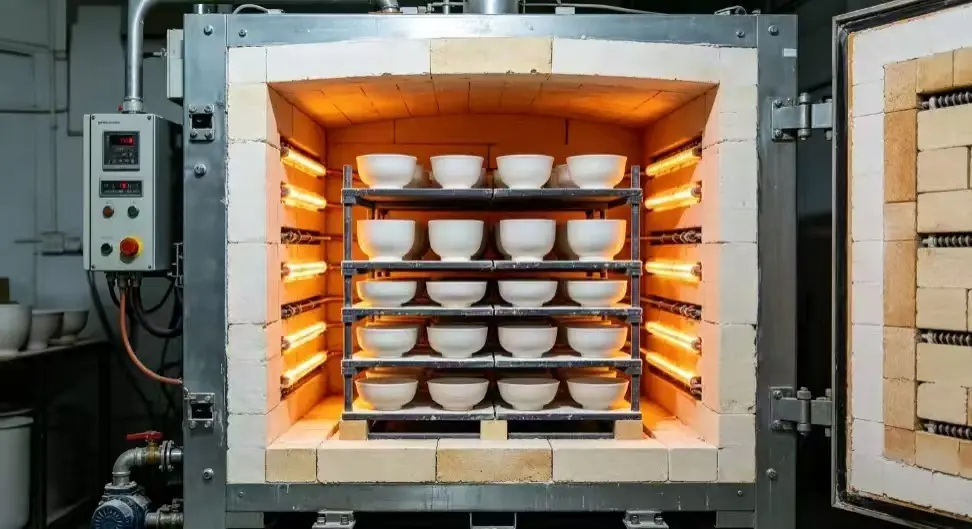
Sintering: The milled restoration is fired in a high-temperature furnace, where it shrinks to its final, dense, and ultra-strong state.
-
Finishing: The sintered restoration may be stained, glazed, or polished to achieve the desired final aesthetics.
Types of Dental Zirconia
The category of "zirconia" now includes several specialized formulations:
-
Traditional (3Y-TZP): Highest strength, more opaque. Ideal for posterior bridges and implant frameworks.
-
Translucent/High-Translucent (4Y-TZP & 5Y-TZP): Compromises a small amount of strength for vastly improved aesthetics, making it suitable for anterior crowns and veneers.
-
Multilayered Zirconia: These blocks are engineered with gradient shades and translucency levels, mimicking the look of a natural tooth from the gum line to the biting edge.
Conclusion
Zirconia ceramic has firmly established itself as a cornerstone material in modern prosthodontics. It successfully bridges the historical divide between the durability required for function and the aesthetics demanded by patients. As material science continues to advance, pushing the boundaries of translucency and strength even further, zirconia's role as a leading solution for durable, beautiful, and biocompatible dental restorations is set to grow, solidifying its legacy in the digital dental age.