

Zirconia Ceramics: Advantages, Applications and Industry Development Trends
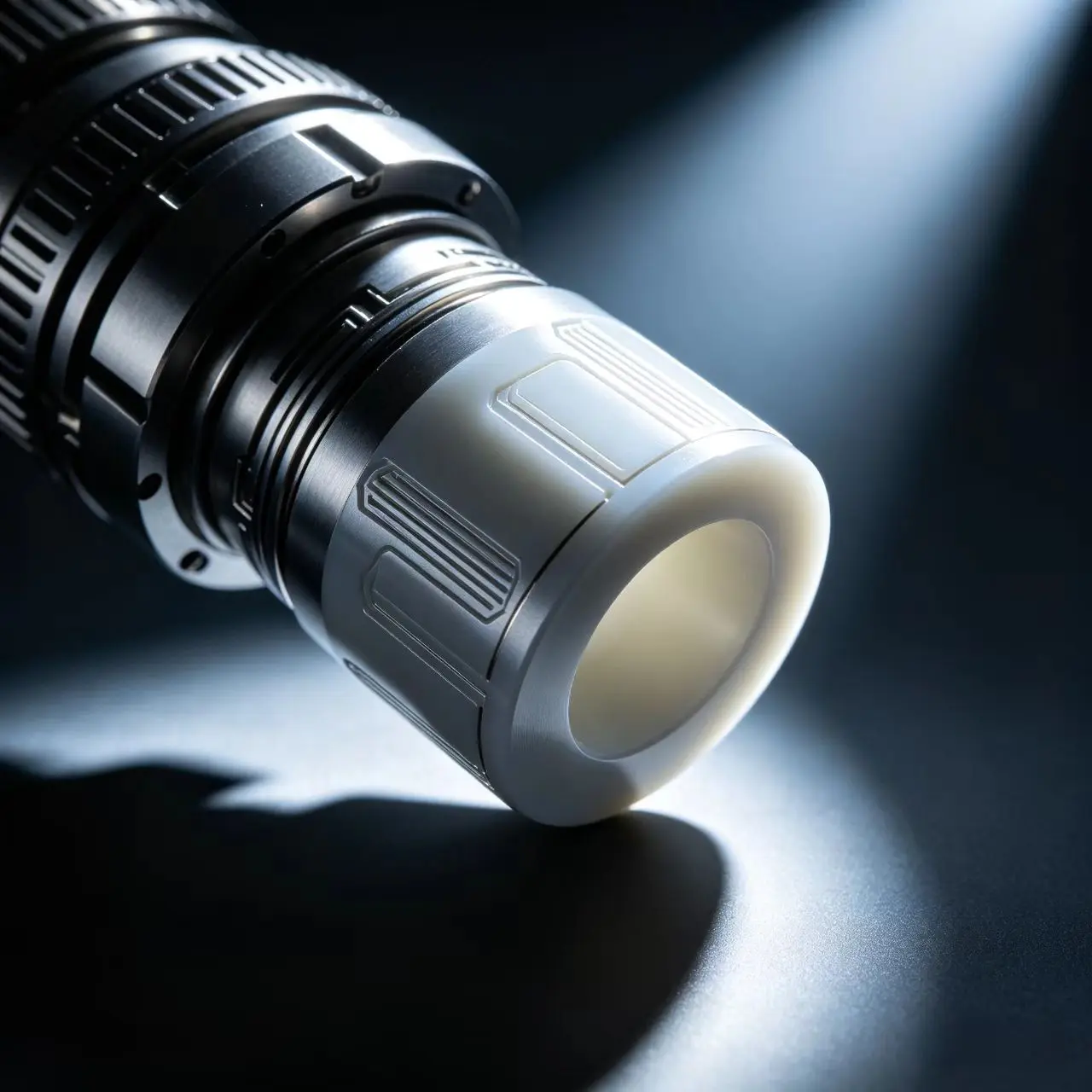
Zirconia ceramics boast a range of exceptional performance advantages that set them apart from other ceramic materials. First and foremost, they feature outstanding mechanical properties, with ultra-high strength, toughness and wear resistance. The fracture toughness of zirconia ceramics is far higher than that of alumina ceramics, making them resistant to impact and less prone to cracking, solving the inherent brittleness problem of traditional ceramics to a large extent. Secondly, they have excellent corrosion resistance, able to withstand the erosion of strong acids, strong alkalis and various chemical reagents, and maintain stable performance in harsh chemical environments. In addition, zirconia ceramics have good biocompatibility, non-toxic and non-irritating characteristics, high temperature resistance, low thermal conductivity, and excellent electrical insulation properties, which enable them to adapt to diverse and complex application scenarios.
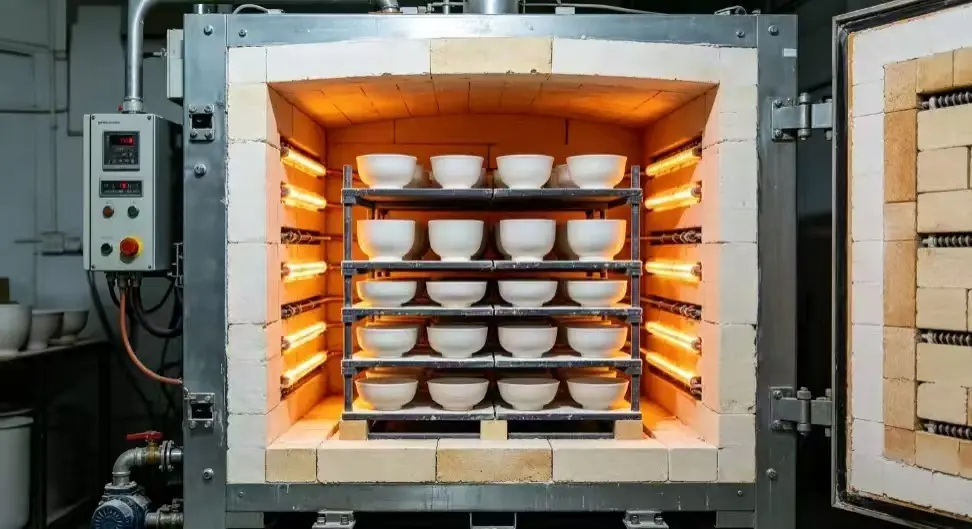
However, zirconia ceramics also have certain limitations that need to be addressed in practical applications. The production and processing costs of zirconia ceramics are relatively high, due to the expensive raw materials and complex sintering and processing processes, requiring professional precision processing equipment. Meanwhile, zirconia ceramics may experience low-temperature aging degradation in a specific temperature range, leading to a decline in material performance, which restricts their long-term use in some medium-temperature environments. In addition, their high hardness also brings challenges to secondary processing and precision molding, increasing the difficulty of product manufacturing.
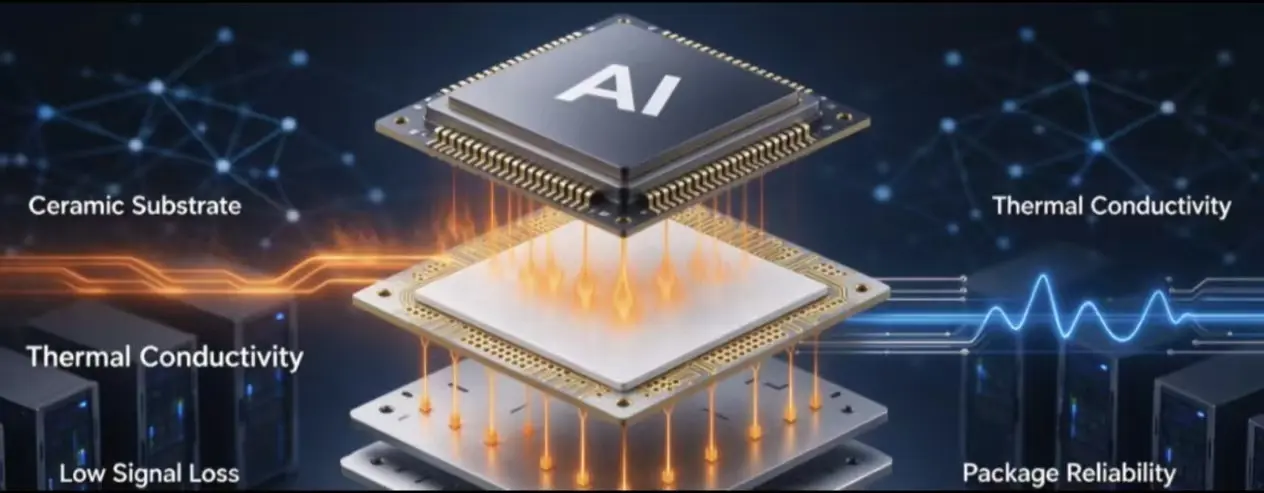
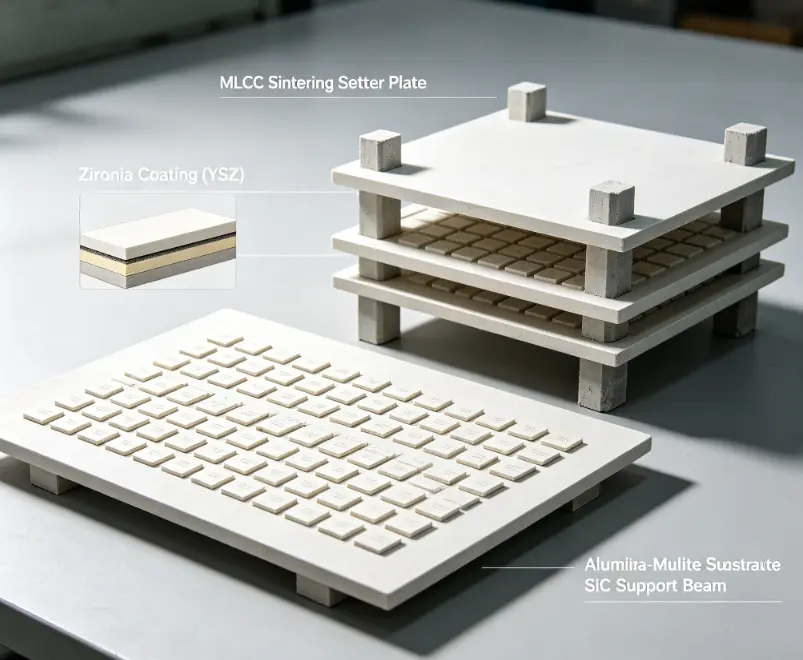
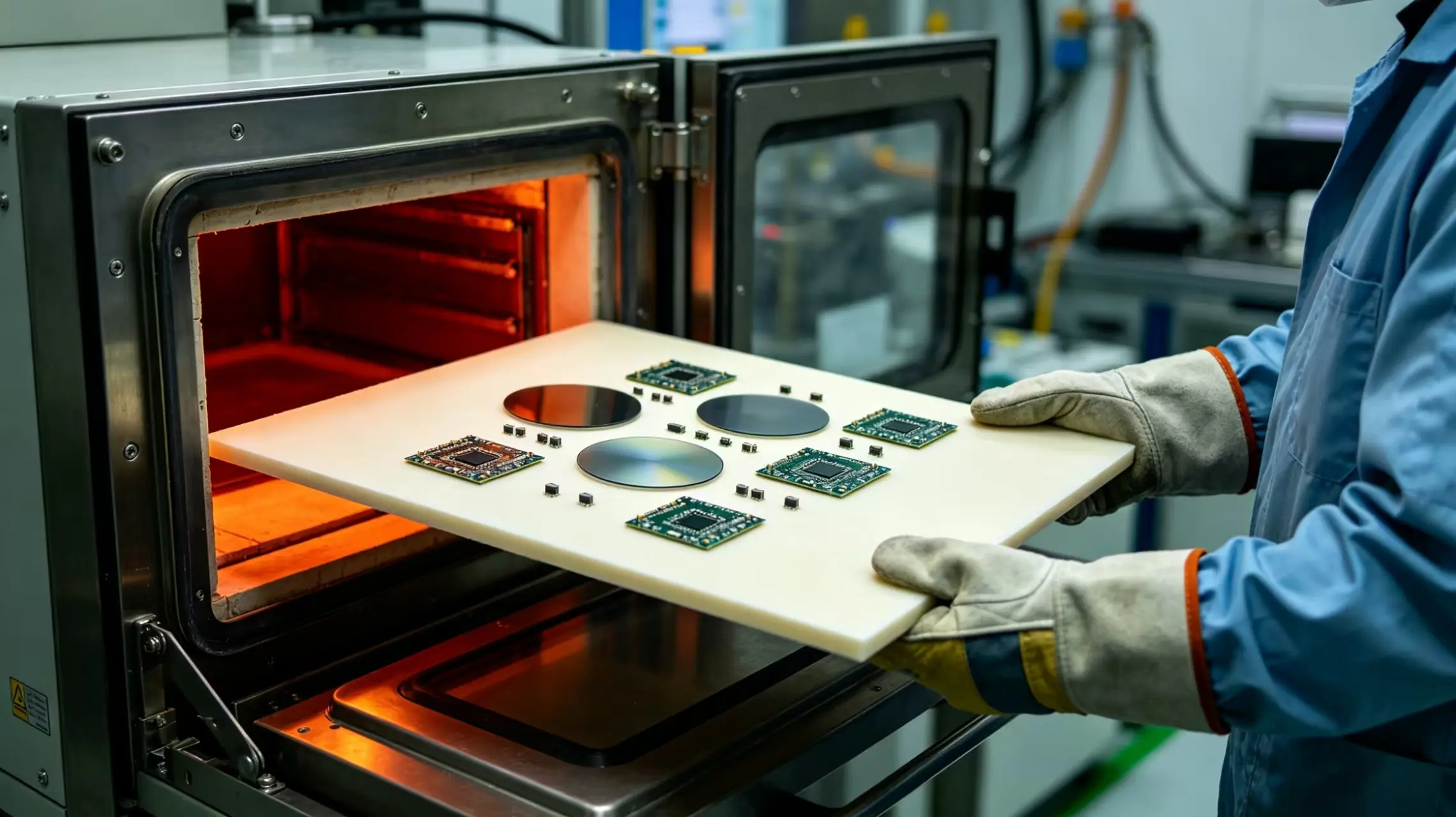
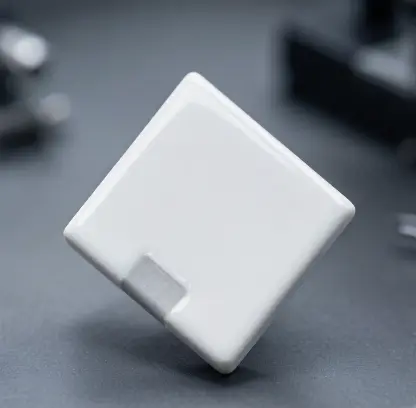
Thanks to their comprehensive performance advantages, zirconia ceramics are widely used in many key industries. In the medical field, they are widely used in dental implants, artificial joints and surgical instruments, relying on good biocompatibility and aesthetic effects; in the electronics industry, they are used to make precision ceramic components, circuit substrates and sensor parts, ensuring the stability and service life of electronic equipment. In the industrial sector, zirconia ceramics are made into wear-resistant parts, cutting tools, thermal insulation components, etc., which greatly improve the operational efficiency and service life of mechanical equipment. In addition, they also play an important role in aerospace, jewelry, new energy and other fields.
With the continuous advancement of material science and manufacturing technology, the production process of zirconia ceramics is constantly optimized, and the cost bottleneck is gradually broken through. The research and development of modified zirconia ceramic materials have effectively improved the problems of low-temperature aging and processing difficulty, further expanding their application scope. In the future, as the demand for high-performance, high-precision and environmentally friendly materials in the global manufacturing industry continues to rise, zirconia ceramics will usher in broader development space. The continuous innovation of zirconia ceramic technology will not only promote the upgrading of material industry, but also inject new impetus into the technological progress of various downstream industries, becoming an indispensable key material in the era of high-end manufacturing.