
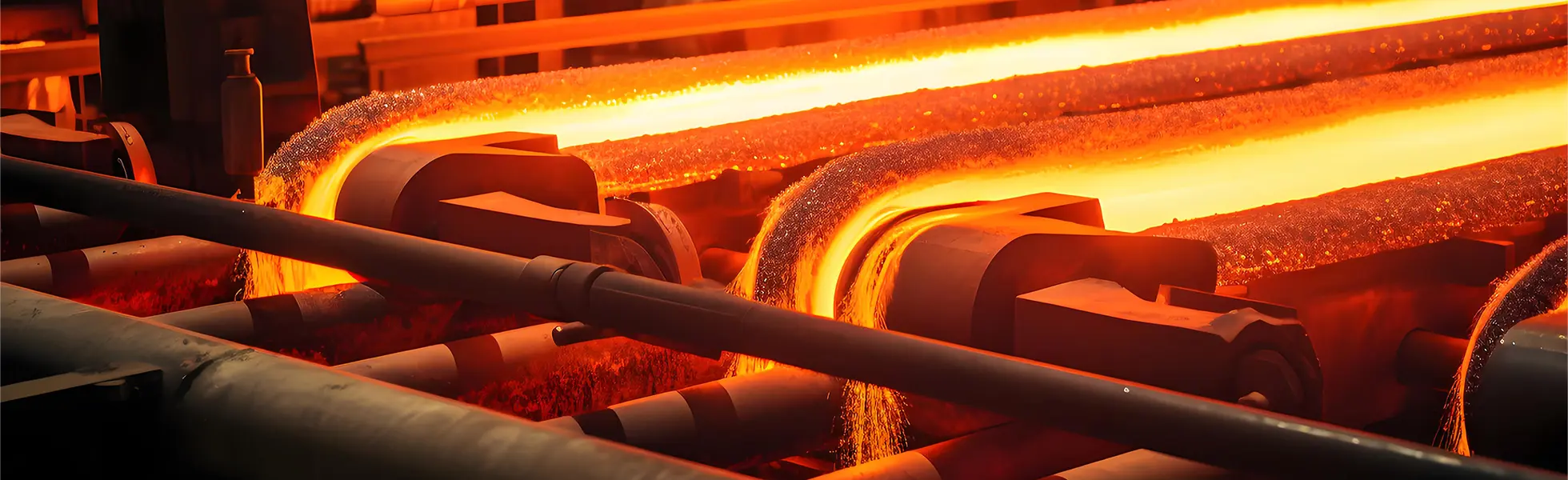
Company News

Improving performance of ceramic-based Components for Electronics
Ceramics play a key role in many types of electronic devices, including smartphones, computers, automotive electronics and more – and the multi-layered ceramic capacitor (MLCC) is a primary component in these types of electronic equipment. The MLCCs have become the backbone of modern electronics, revolutionizing electronic circuit design and providing compact and reliable energy storage solutions. In fact, the MLCC market size is expected to grow from USD 13.21 billion in 2023 to USD 17.44 billion by 2028.

NCM Battery Material: Applications and Advancements
NCM battery material, which stands for Nickel Cobalt Manganese, has emerged as a pivotal component in the development of advanced lithium-ion batteries. This innovative material is gaining traction across various industries due to its superior energy density, stability, and overall performance. As the demand for efficient energy storage solutions continues to rise, understanding the applications of NCM battery material becomes increasingly important.
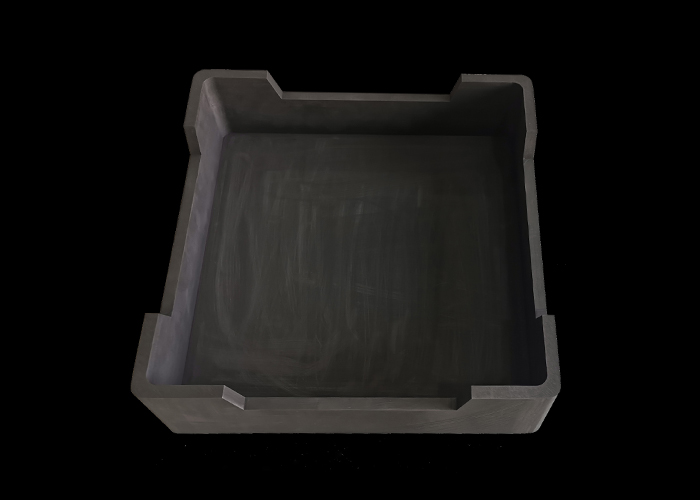
The Role of Graphite Sagger in Sintering Negative Electrode Materials
Graphite sagger plays a crucial role in the sintering process of negative electrode materials, particularly in the production of advanced batteries. As the demand for high-performance energy storage solutions continues to rise, the importance of optimizing the sintering process cannot be overstated. The application of graphite sagger in this context is pivotal for enhancing the quality and efficiency of negative electrode materials.

What is zirconia ? What is zirconia used for ?
Zirconia, also known as zirconium dioxide (Zr02), is found in its most natural form in the mineral baddeleyite. But it can also be chemically derived from zircon. It is the most commercially important oxide formed by zircon.
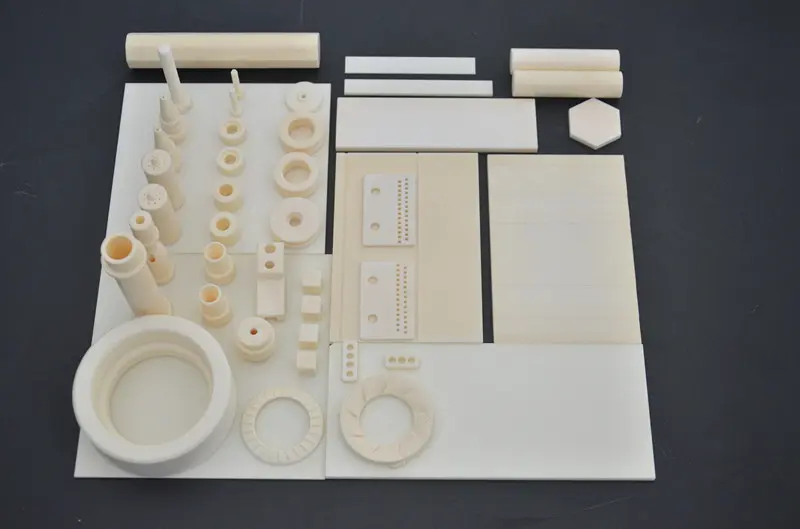
Types of Industrial Ceramics and Their Applications
The ceramic industry has long been a cornerstone of manufacturing, known for its diverse applications ranging from traditional pottery to advanced technical ceramics. As we move further into the 21st century, the industry is experiencing significant transformations driven by technological advancements, sustainability initiatives, and changing consumer preferences.
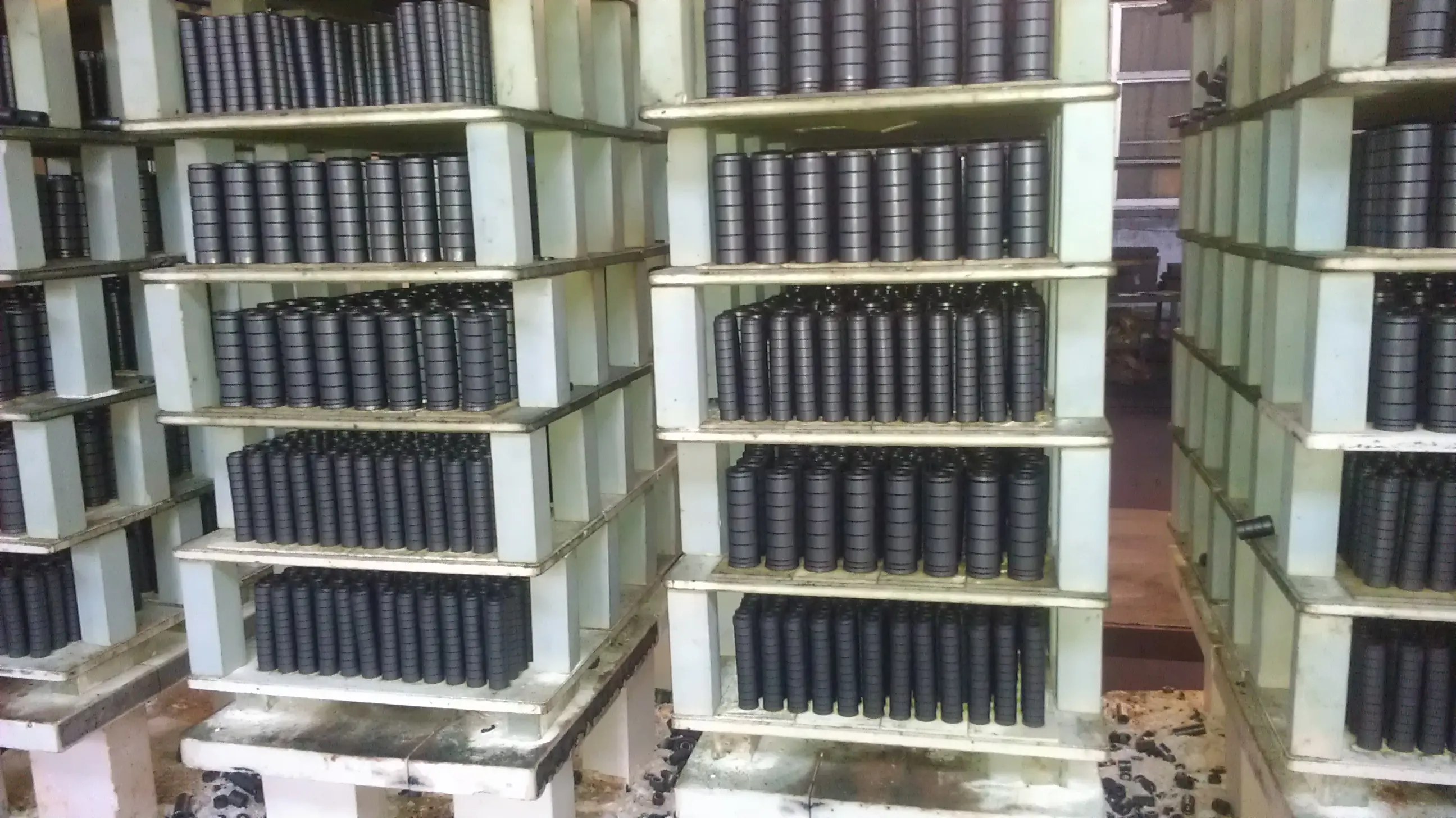
Learn more about ferrite cores
Ferrite cores are dense, homogeneous ceramic structures made by mixing iron oxide (Fe2O3) with oxides or carbonates of one or more metals such as manganese, zinc, nickel, or magnesium. They are pressed, then fired in a kiln to 1300o C, and machined as needed to meet various operational requirements.
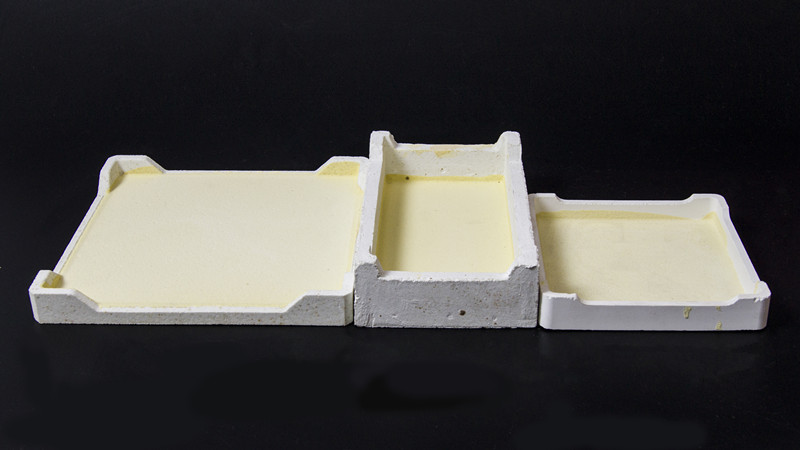
Kiln Furniture: Essential for Firing MLCC
Kiln furniture plays a crucial role in the ceramics and electronics industries, particularly when it comes to firing Multi-Layer Ceramic Capacitors (MLCC). As the demand for MLCC continues to rise due to their widespread use in electronic devices, the importance of high-quality kiln furniture cannot be overstated.
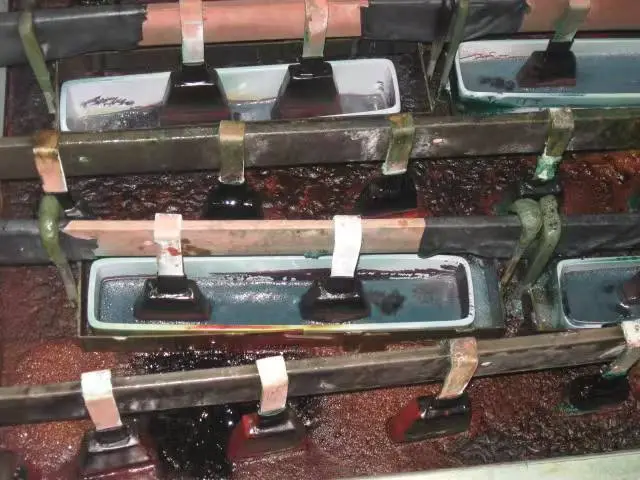
Ceramic Diaphragm for Removing Chrome: A Revolutionary Solution
In the realm of industrial applications, the need for effective and efficient methods to remove chrome from various surfaces has become increasingly important. One innovative solution that has emerged is the use of a ceramic diaphragm specifically designed for this purpose. This technology not only enhances the removal process but also ensures environmental safety and sustainability.
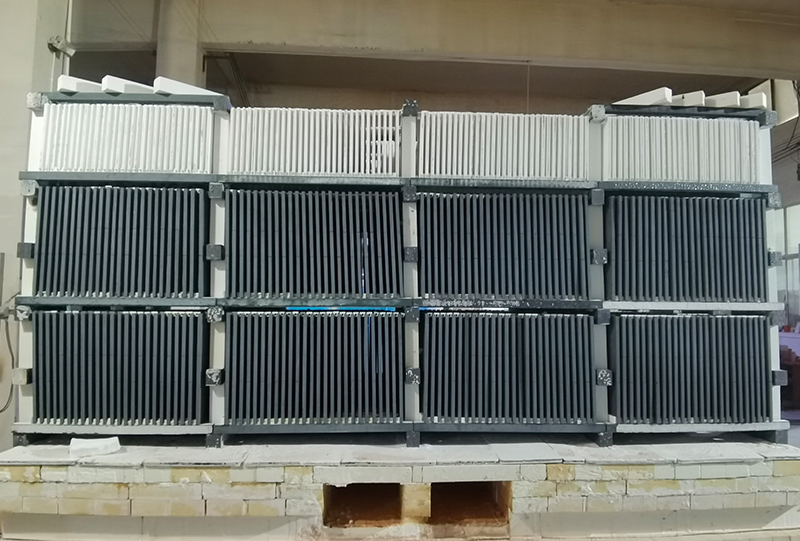
What is Refractory? Understanding Refractory Materials
In materials science, a refractory (or refractory material) is a material that is resistant to decomposition by heat or chemical attack and that retains its strength and rigidity at high temperatures.

Corundum-Mullite: Performance and Application Analysis
Corundum-mullite is a composite material formed by the reaction of corundum (Al₂O₃) and mullite (3Al₂O₃·2SiO₂) at high temperatures. Its chemical formula is typically Al₄Si₂O₁₃, made up of varying proportions of corundum and mullite. This unique combination gives corundum-mullite excellent stability and performance at high temperatures.
- Corundum (Corundum): Made primarily of aluminum and oxygen, corundum is an extremely hard mineral (Mohs hardness 9), known for its excellent high-temperature resistance and chemical stability.
- Mullite (Mullite): A silicate mineral containing aluminum and silicon, mullite is famous for its low thermal expansion and good thermal shock resistance, making it commonly used in high-temperature ceramics.