
Company News
Application of Mullite Lightweight Insulation Brick
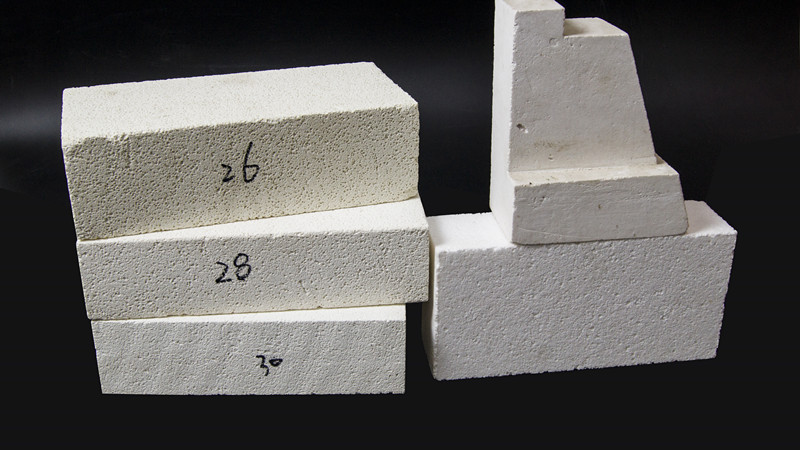
Mullite lightweight insulation bricks have emerged as a vital component in various industries due to their exceptional thermal properties and lightweight nature. These bricks, primarily composed of mullite, a silicate mineral, are known for their high-temperature resistance, low thermal conductivity, and mechanical strength. As industries continue to seek energy-efficient and cost-effective solutions, the application of mullite lightweight insulation bricks has gained significant traction.
13 Types of Refractory Materials and Their Applications
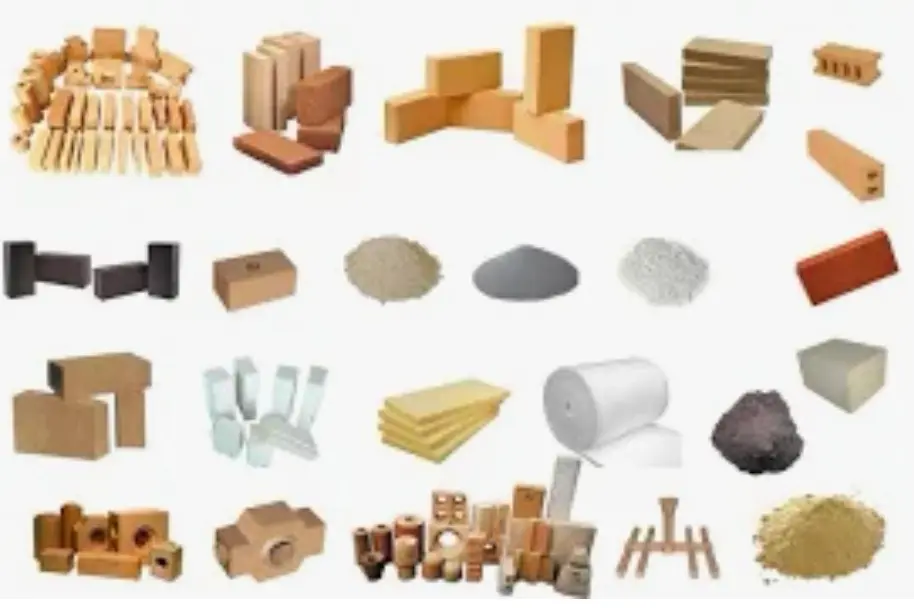
Refractory materials are used in various fields of the national economy, such as iron and steel, nonferrous metal, glass, cement, ceramics, petrochemical, machinery, boiler, light industry, electric power, military industry, etc. It is an essential basic material to ensure the production and operation of the above-mentioned industries and the development of technology. In this article, we'll take a look at the types of refractory materials and their applications.

The Role of Refractory Sagger in Alumina Powder Sintering
In the realm of advanced ceramics and materials science, the sintering process plays a pivotal role in determining the final properties of ceramic products. Among the various materials involved in this process, alumina powder stands out due to its exceptional hardness, thermal stability, and chemical resistance. However, the successful sintering of alumina powder is heavily reliant on the use of refractory saggers, which serve as essential components in the sintering process.
The Impact of US Tariffs on the World
In recent years, US tariffs have emerged as a significant tool in the country’s trade policy, influencing not only the domestic economy but also the global market landscape. The imposition of tariffs, particularly during the trade tensions between the United States and other major economies, has sparked widespread debate about their effectiveness and consequences. Understanding the impact of US tariffs on the world requires a closer examination of their implications for international trade, economic relationships, and global supply chains.
Alumina Ceramics and Zirconia Ceramics: Applications in Industrial Production
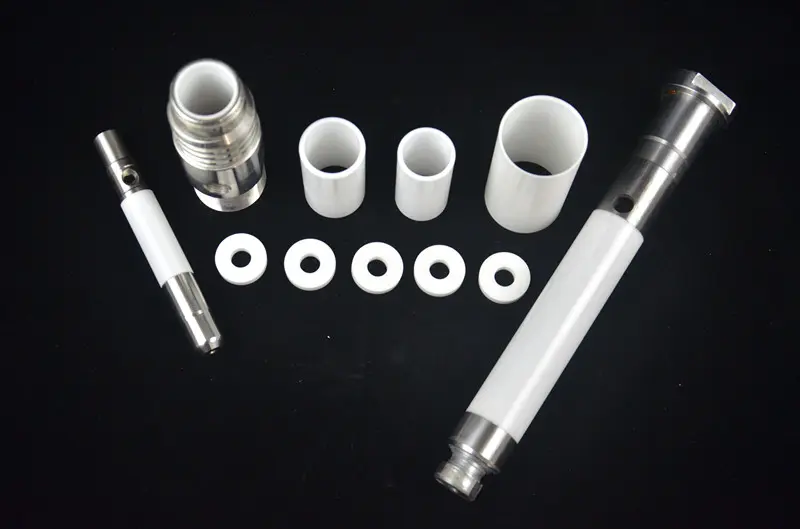
Alumina ceramics and zirconia ceramics are two of the most widely used advanced ceramic materials in industrial production. Their unique properties, such as high hardness, excellent wear resistance, and thermal stability, make them suitable for a variety of applications across different sectors. This article explores the applications of these ceramics in industrial production, highlighting their significance and advantages.

Silicon Carbide Products: Pioneering Applications in Modern Industrial Production
Silicon carbide (SiC) products have emerged as a cornerstone in modern industrial production, thanks to their unique properties and versatility. As industries strive for greater efficiency, durability, and performance, silicon carbide has proven to be an invaluable material across various sectors, including electronics, automotive, aerospace, and energy.

Kiln Furniture: Essential Components for Firing Ceramic Capacitors
Kiln furniture plays a crucial role in the ceramics industry, particularly when it comes to firing ceramic capacitors. As the demand for advanced electronic components continues to rise, the need for high-quality kiln furniture has become increasingly important. This article will explore the significance of kiln furniture in the firing process of ceramic capacitors, the types of kiln furniture available, and best practices for their use.

What is electronic ceramics ?
Electronic ceramics are a specialized class of ceramic materials that exhibit unique electrical properties, making them essential in various electronic applications. These materials are primarily composed of inorganic compounds, which are processed and engineered to achieve specific electrical characteristics. The significance of electronic ceramics lies in their ability to conduct electricity, store electrical energy, and exhibit dielectric properties, which are crucial for the development of modern electronic devices.

Understanding MLCC: What is MLCC?
In the realm of electronics, the term MLCC stands for Multi-Layer Ceramic Capacitor. These components have become increasingly vital in modern electronic devices due to their unique properties and advantages. As technology continues to advance, the demand for efficient and compact electronic components has surged, making MLCCs a popular choice among engineers and manufacturers.

Understanding Saggar Firing: What It Is and Its Significance in Ceramics
Saggar firing is a specialized technique in the world of ceramics that has been used for centuries to create unique and beautiful pottery. This method involves the use of a protective container, known as a saggar, during the firing process. The saggar serves multiple purposes, including shielding the pottery from direct flames, controlling the atmosphere within the kiln, and influencing the final appearance of the ceramic pieces. In this article, we will explore what saggar firing is, how it works, and its significance in the art of ceramics.