
Company News

99% Alumina Ceramic Crucibles
Key Features of 99% Alumina Ceramic Crucibles
-
Material & Purity:
-
Made from 99% Al₂O₃ (alumina), with some variants offering 99.7% or 99.8% purity for higher thermal resistance.
-
High-density (3.9–3.98 g/cm³) and hardness (86 HRA), suitable for extreme conditions.
-
Introduction and application of Steatite Ceramics
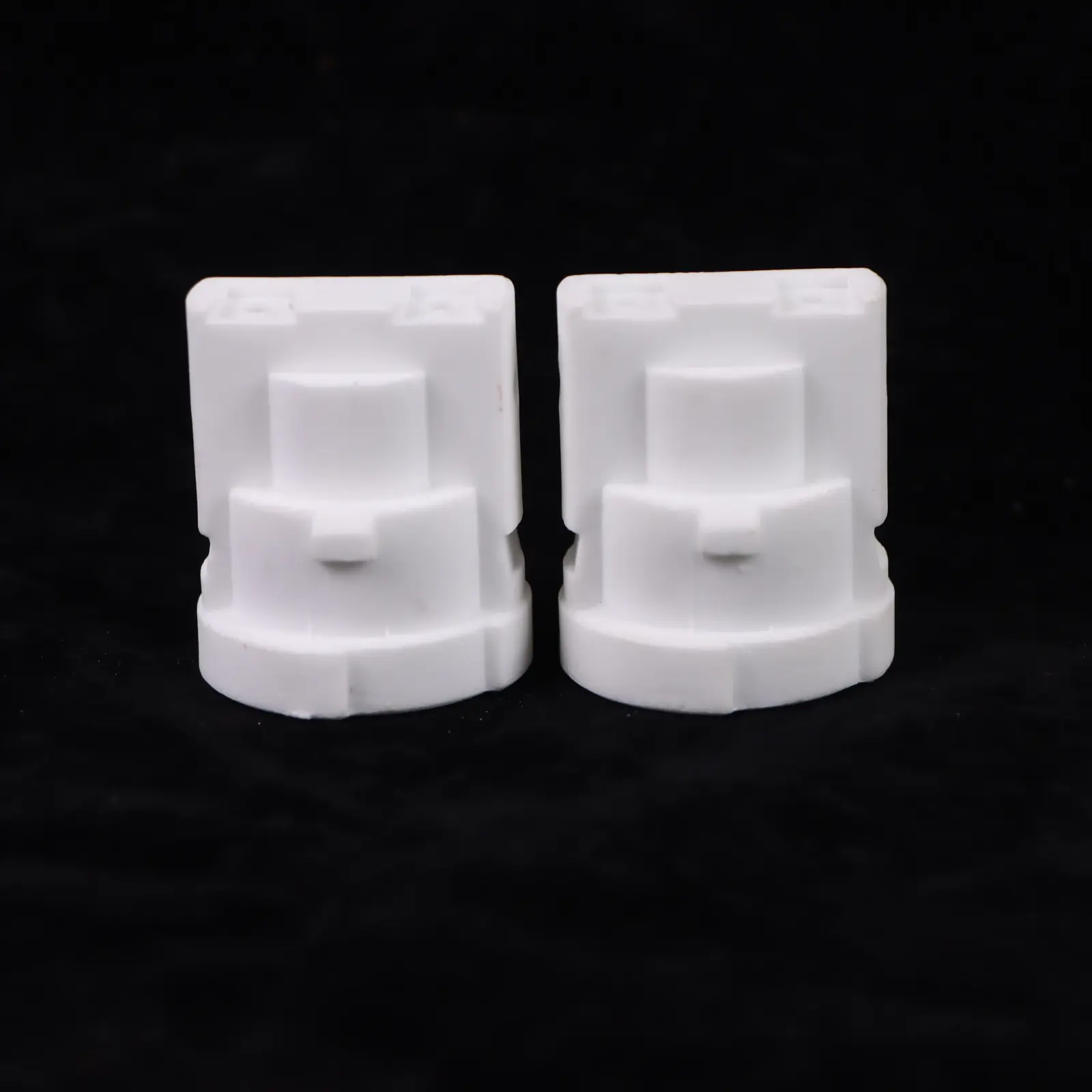
Steatite (steatite ceramic) is a magnesium silicate ceramic primarily composed of talc (chemical formula: Mg₃Si₄O₁₀(OH)₂).
Due to the natural abundance of talc, steatite was initially used in household ceramics, particularly high-end tableware. In industrial production, early research in China was conducted by the Zibo Silicate Research Institute, Zibo Porcelain Factory, and Boshan Ceramic Factory, which successfully developed and mass-produced steatite ceramics in 1977.
Today, thanks to its excellent dielectric properties, mechanical strength, thermal resistance, chemical stability, and low cost, steatite ceramics still hold a significant position in various industrial applications.

Boron Nitride Ceramics
I. Properties
Boron Nitride (BN) ceramic is a high-performance non-oxide ceramic, primarily existing in two crystalline forms: hexagonal boron nitride (h-BN) and cubic boron nitride (c-BN). It exhibits the following key characteristics:

Characteristics and Applications of Silicon Nitride Ceramics
Silicon nitride ceramics have emerged as a significant material in various industrial applications due to their unique properties and characteristics. As a non-oxide ceramic, silicon nitride (Si3N4) is known for its exceptional mechanical strength, thermal stability, and resistance to wear and corrosion. This article delves into the characteristics of silicon nitride ceramics and explores their diverse applications across different sectors.

Application of Zirconia Toughened Alumina (ZTA) Ceramic Substrate in the Core Three-Electric Module of New Energy Vehicles
The automotive industry is undergoing a significant transformation with the rise of new energy vehicles (NEVs). As the demand for electric vehicles (EVs) continues to grow, so does the need for advanced materials that can enhance performance, efficiency, and durability. One such material that has gained attention in recent years is Zirconium Oxide Toughened Alumina (ZTA) ceramic substrate. This article explores the properties of ZTA and its application in the core three-electric module of new energy vehicles.

Types of Refractory Bricks Used in Glass Kilns
Glass kilns are essential in the glass manufacturing process, providing the high temperatures necessary for melting raw materials and shaping glass products. The efficiency and longevity of these kilns largely depend on the quality of the refractory materials used in their construction. Refractory bricks, designed to withstand extreme heat and thermal shock, play a crucial role in the performance of glass kilns. This article explores the various types of refractory bricks commonly used in glass kilns and their specific applications.
Application and Development of Andalusite in Ceramic Kiln Furniture
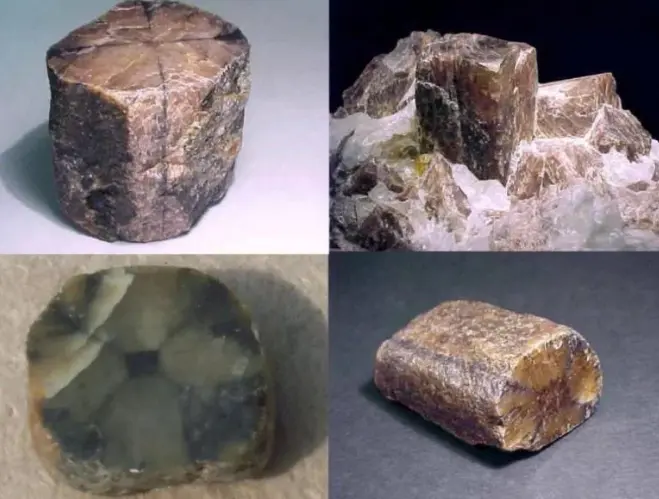
Andalusite, a naturally occurring aluminosilicate mineral, has garnered significant attention in the ceramics industry, particularly in the development of kiln tools. Its unique properties, including high thermal stability, low thermal expansion, and excellent resistance to thermal shock, make it an ideal candidate for various applications in ceramic manufacturing. This article explores the application and development of andalusite in ceramic kiln tools, highlighting its benefits and potential for future advancements.

Why Does Mullite-Cordierite Composite Ceramics Have Excellent Thermal Shock Resistance?
Mullite-cordierite composite ceramics have garnered significant attention in the field of materials science due to their exceptional thermal shock resistance. This property is crucial for applications that involve rapid temperature changes, such as in kilns, furnaces, and various industrial processes. Understanding the underlying mechanisms that contribute to the thermal shock resistance of these composite ceramics can provide insights into their performance and potential applications.

Application of Ceramic Wear-Resistant Balls
Ceramic wear-resistant balls have emerged as a pivotal component in various industrial applications due to their exceptional durability, low friction properties, and resistance to wear and tear. These advanced materials are engineered to withstand harsh conditions, making them ideal for use in environments where traditional materials would fail. This article explores the diverse applications of ceramic wear-resistant balls and highlights their significance in enhancing operational efficiency and longevity in various industries.

Industrial Ceramics: Types and Applications
Industrial ceramics are a vital component of modern manufacturing and technology, playing a crucial role in various industries due to their unique properties. These materials are characterized by their hardness, high-temperature resistance, chemical stability, and electrical insulation capabilities. As a result, they find applications in a wide range of sectors, including aerospace, automotive, electronics, and medical devices. This article explores the different types of industrial ceramics and their diverse applications.